

Sep 15th 2025
Are Motegi Wheels worth it?
Almost no one knows it, but the same company that has quietly teamed up with one of the biggest names in racing also produces cost-effective products for average enthusist. While Motegi Wheels may not get all the street cred like Work or BBS, they’ve done some big things in their 20-some years of operation.
Today we’re looking at Motegi to answer the question ‘Are they worth it?’ In this series, we give our opinion on whether it’s worth it for you to spend your hard-earned money on X brands, or parts… or anything car related.
By the end, you’ll know their background, engineering, accomplishments, and some of the cool stuff they're doing today. We’ll even take a detour to explore the famous MB Battle and how it relates to Motegi.
History of Motegi
Motegi Racing Wheels is owned by Wheel Pros. If you’re not familiar with them, they’re a massive conglomerate that owns a lot of wheel brands. Even if you’re new to the wheel game, you're bound to know at least a few in their portfolio. Niche, American Racing, Rotiform, TSW, and many more.
The difference between Motegi and the other brands is that it was conceived internally, rather than being acquired by Wheel Pros. So, unlike the other, Motegi doesn’t have a history before its creation in 2003.
The name was inspired by the famous Twin Ring Motegi circuit, located a couple hours north of Tokyo. But don't get it confused, Motegi was never a Japanese company; they were originally based out of California, but now, according to their website, they are in Colorado (some as Wheel Pros).
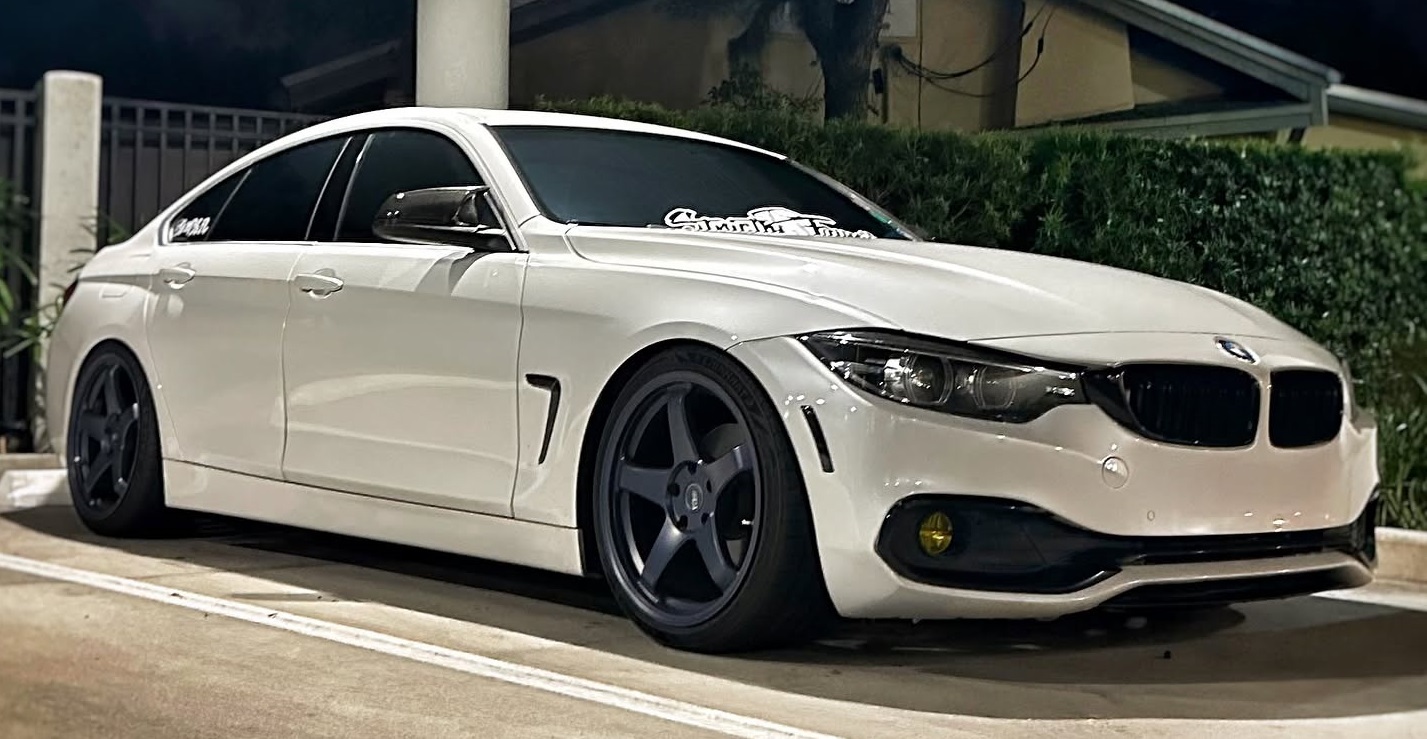
One of the advantages of being part of a massive company is having the connections that come with it. Right out of the gate, Motegi was supplying wheels for various motorsports, mainly rally and drift. Rally is probably one of the most rigorous forms of motorsport for the vehicle and its constituent parts–if you want trial by fire, this is the way to do it.
Putting their wheels through real-world testing created a feedback loop, allowing them to rapidly improve their products. These refinements would then trickle down into the rest of their line. But what exactly did they offer at the time?
Early Motegi wheels
This was the early 2000’s, so Fast & Furious-style builds were all the rage. Massive body kits, wings big enough to use as a dining table, and underglow were the norm. People wanted wheels to match this energy, so that’s what Motegi made–well, it was about half of what they made.
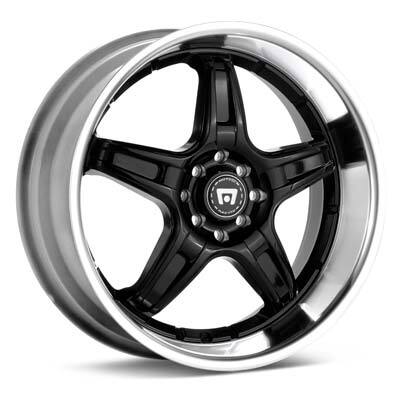
Not surprisingly, big flashy chrome wheels weren’t as popular with the serious racing crowd. So, the other half of the product line was a bit more subtle and also performance-oriented. Their early catalog included things that have been phased out, like the FF5, a split 5-spoke, and also some others that remain to this day, like the Traklite and MR7 (more on these later).
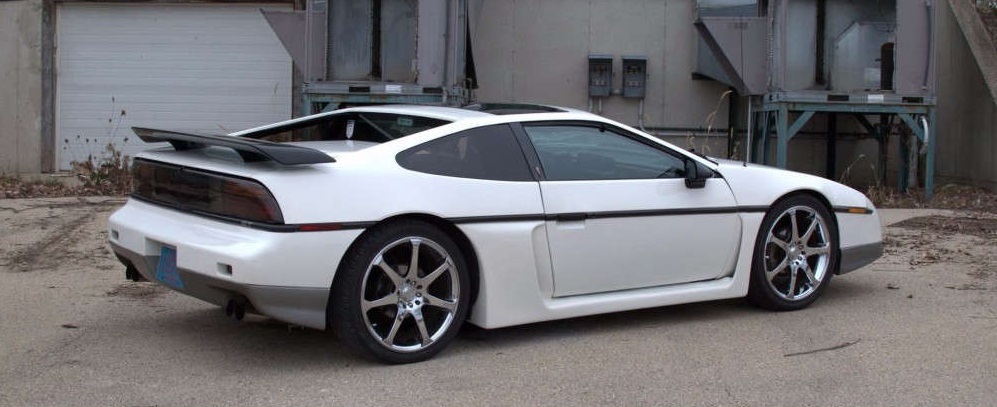
The flashy chrome stuff started to go out of fashion. Motegi continued with their Motorsports programs while offering what they called ‘street performance’ variants to the wider mass market.
Since then, they’ve stayed true to their racing-inspired designs, landing ever-more prestigious deals along the way.
Involvement in motorsports
We mentioned their involvement in Drift and Rally. Motegi was the wheel provider for Tanner Faust, in his 350z, and Dai Yoshihara, in his S13, from the inaugural year of Formula Drift (2004). Both drivers would go on to have numerous podium finishes while driving cars on Motogi wheels.
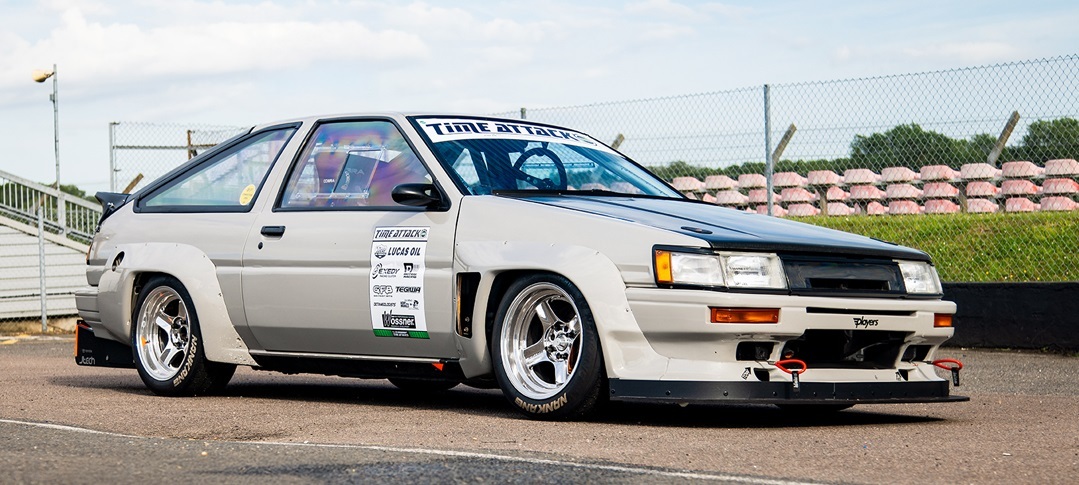
Tanner Faust is probably most well-known as a Rallycross driver. Motegi also sponsored him in his STi and later Ford Fiesta–many podium finishes would follow. Again, what better way to torture-test a wheel than rally?
This is great for the first few years, but it wouldn’t take long before they started landing even larger deals.
Cera-2010 Motegi wheels started to be seen on various GT3 cars, notably on Mercedes AMG and Ferrari. They collaborated with Ferrari to develop the MR630 Technomesh, and by 2017, they would become the official technical partner for Ferrari.
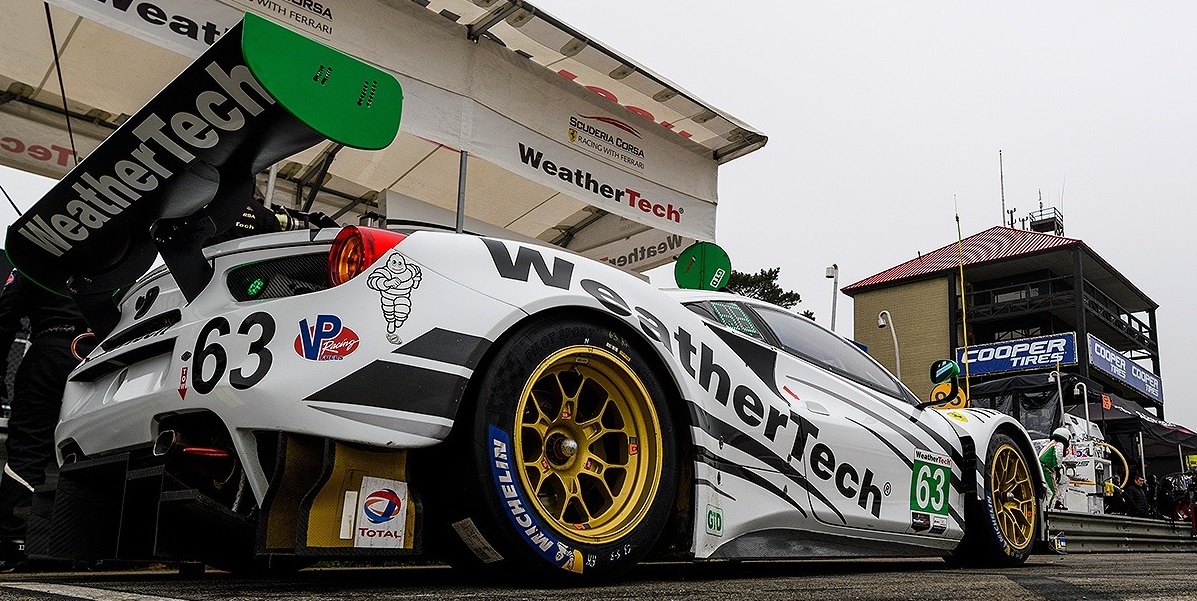
Following a change in FIA regulations, Motegi was tasked with making forged aluminum wheels that would compare to magnesium. While the MR630 was exclusive to Ferrari and never made into a road-going version, you can bet some of the R&D has trickled down into the rest of Motegi’s lineup.
At this time, they took a bit of a hiatus from the mass-market products, focusing more on motorsports. Not to say they didn’t produce customer-level products at this time, they just weren't as active. However, they would make a strong comeback a few years later.
In 2022, Rotiform, another Wheel Pro’s brand, took the reins for the Ferrari partnership. But that doesn’t mean Motegi has ceased its motorsport endeavors. They’re still involved in all the same disciplines, even teaming with Mazda Motorsports to provide wheels for their Daytona Prototype.
The engineering behind Motegi Wheels
Motegi emphasizes performance, track-tested wheels. From the start, they made both cast and forged options. Later, they would get into flow-formed technology.
We’ve done plenty of content on wheel construction, so we’re not going to beat a dead horse, but the gist is: cast is affordable and good for street driven cars; forged wheels are the strongest and lightest, best for track cars, but that reflects in the price; flow-formed wheels are like the goldilocks, somewhere in between the two.
The last option is multi-piece wheels. Rather than a 3-piece design, Motegi only offers 2-piece forged. This stays true to their racing focus. 3-piece wheels tend to be heavier than others, while 2-piece forged are more comparable to monoblock wheels.
So, why go 2p forged over monoblock? They can be made to any spec you need. Think of custom, widebody track cars where off-the-shelf sizing just won’t cut it.
If their work in motorsport doesn’t give them enough credibility, Motegi wheels also carry JWL and VIA certifications, typical of any quality product.
Return of the ‘MB Battle’
The history of this wheel is so convoluted that it probably deserves its own article.
Believe it or not, Motegi started what most know as the ‘MB Battle’, calling it the MR7. This wheel often gets called a rep of the Advan AVS Model 7, originally produced in the 90’s. Sure, the design is similar, but Motegi refined it. They offered better specs, deeper concave, and an all-around more suitable wheel for the times.
Then things got confusing around 2010 when the MR7 started appearing under different names. In Japan, they were sold as the CST Hyper Zero-1, while in North America, it was the MB Battle. The Battle, Zero-1, and MR7 are all the same wheel–none are reps of the other.
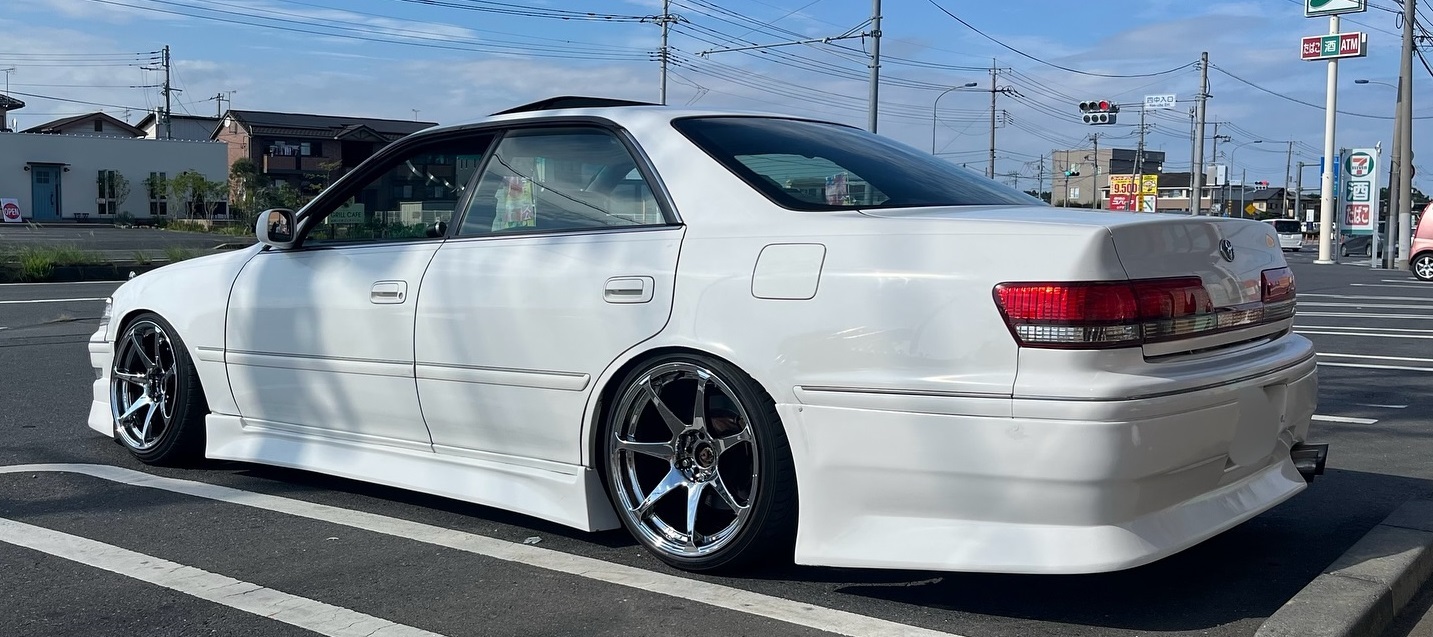
It just so happened that this type of wheel, with a nice amount of concave, really hit its stride with the rise of the stance scene. During this time, they were being sold as ‘MB Battles’, so that’s what most people know them as.
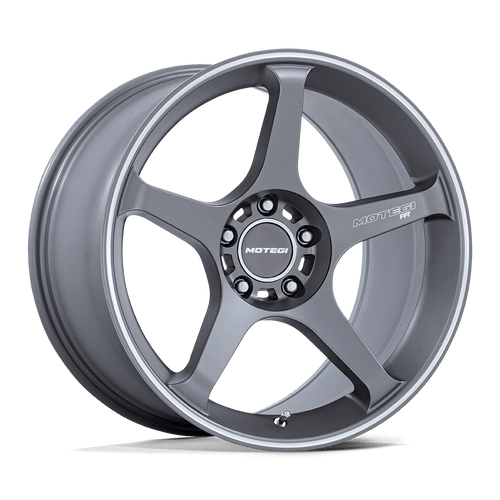
These wheels still look right at home on modern cars, which is why Motegi bought the naming rights and relaunched them as the ‘Motegi Battle’. And they didn’t just change the name, they’ve modernized them again with new finishes, specs, contruction options (cast, flow formed, forged), and they've even making variants with 5 and 6 spokes.


How do we score Motegi Wheels?
Build quality & engineering
The entire lineup has a lot of engineering behind it, and not a lot of people realize this. All Motegi wheels have JWL/VIA certifications. Cast wheels will obviously be lower quality, but within this line, you can choose something more robust, like the rally-inspired RF11, or go for something more light & nimble, like the CS6.
They get a solid 7/10 in this category.
Performance & functionality
How do they perform in the real world? To get an idea, we can compare one of their flow-formed wheels to something equivalent from, say, Konig. A 17x8 Traklite from Motegi is listed at 17.6 lbs, while the comparable Hexaform from Konig is 17.2 lbs. Obviously, not much difference there, and when you start to consider pricing, they look even more attractive.
Overall, for performance and functionality, they score a 7/10.

Cost vs. benefit
This is a big selling point for Motegi.
Their cast wheels start at about $150–pretty insane considering they’re a brand that used to be partnered with Ferrari. You shouldn’t expect the same performance as wheels built for the highest echelons of motorsport, they’re cast after all, but you can bet there are at least a few design elements borrowed from their high-tier products. These are perfect for a daily driver, winter wheels, or someone just getting their feet wet with modifying cars.
For around an extra 100 bucks/wheel you can step up to flow-formed technology. While their lightest wheels aren’t quite on par with something like Konig, the value is still there considering you’ll save $100-300 on a set (and that’s compared to another budget-friendly brand).
Their final offering, 2-piece forged, is a bit harder to assess. Most big names that offer 2-piece wheels use a mix of a forged barrel and cast center (e.g. 2p Work Emotions). Motegi uses a forged barrel AND center. The goal is to make a super high-performance track wheel, but at $1000+/piece it’s hard to recommend them over something like a TE37.
Again, 2p forged wheels can be made to pretty much any spec you want. One situation where it could make sense is if you can’t find a forged Monoblock wheel with the specs you need (imagine you’re building a custom widebody track car). In this case, Motegi multi-piece is really the only option.

All said, we give them a 9/10 in this category.
Aesthetics & brand reputation
Really, this is the only area where they fall short.
For most of its existence, Motegi has focused on high-level racing and this leaves a bit of a gap at the grassroots and semi-pro levels. They might be known amongst decision makers on racing teams, but less so at your local track, at least when compared with a brand like Enkei or Apex Wheels.
It also doesn’t help that credit for the Battle often goes to MB, even though Motegi started it (or Yokohama, depending on who you ask).
The Battles and their variants come in a bunch of colors, but we noticed fewer options for the rest. Compare this to a brand like ESR, where you get at least 3-4 color choices for everything they make.
We give them a 6/10 in this category
Real world ownership experience
How do they score in things like customer support and warranty?
If you have technical questions about any of their wheels, for example ‘Will X wheel clear my brakes?’, you can expect a timely response. If you’re looking for general fitment info for a particular platform, check out our Fitment Guides. We’ve probably covered your car there.
Motegi wheels come with the same terms as most other Wheel Pros brands. You get a 1-year warranty against structural failures, which is pretty standard. Where they gain an extra point is in cosmetic warranties; they give up to 2 years of warranty against finish defects, depending on the finish type.
They earn an 8/10 in this category.
|
Motegi Wheels score |
|
|
Build quality & engineering |
7 |
|
Performance & functionality |
7 |
|
Cost vs benefit |
9 |
|
Aesthetics & brand reputation |
6 |
|
Ownership experience |
8 |
|
Total |
7.4 |
There overall score is a solid 7.4/10.
Finally, are they worth it?
If you’re after a nice set of wheels at a reasonable price, Motegi should be among the top 3 brands on your list.
The only downside we could find is that Motegi doesn’t get the credit it deserves. If you care more about performance and not so much the name, Motegi could be the perfect choice. The couple hundred bucks you save on your wheels can always go toward better tires.
If you want to give Motegi a shot, check out our shop. We have all the latest models, including the Battles.