
Sep 22nd 2025
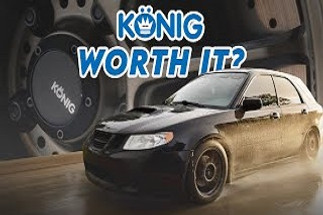
Are Konig Wheels worth it?
You have 1,200 USD burning a hole in your pocket and you’re looking for a set of wheels. For inspiration, you get online and start looking through forums, Marketplace, and, if you’re on OG, you might look through some old editions of Tuner Magazine (RIP). One name keeps coming up — Konig.
Older enthusiasts remember Konig as the brand that plastered full-page ads in Super Street and Import Tuner about 20-30 years ago. We’re talking about chrome-lipped, tuner-era icons that cost less than textbooks for a semester of college.
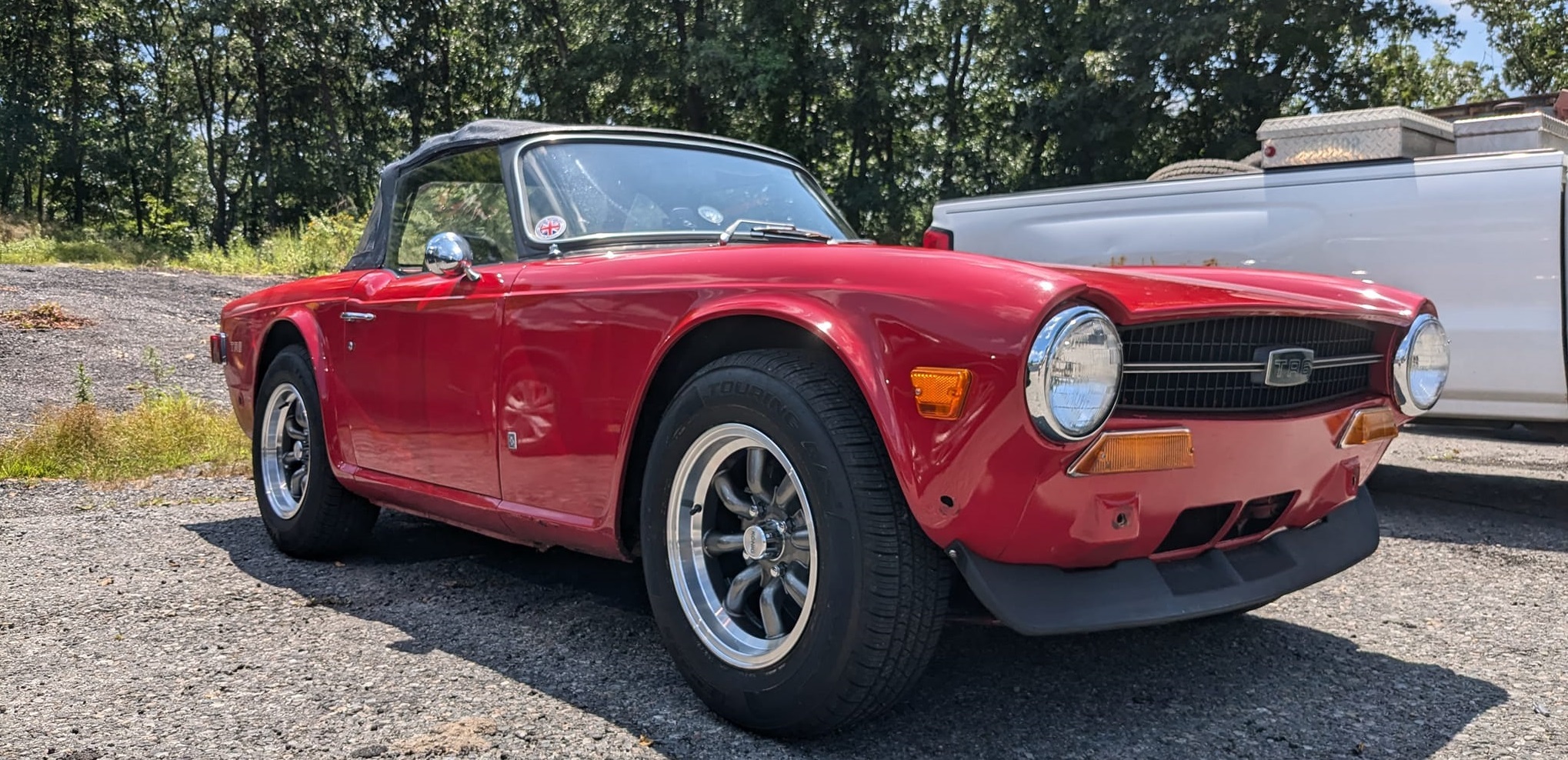
Things have changed since then; Konig insists that they’ve grown out of this phase. Now they talk about flow-forming, rotary forging, strength/weight ratios, and all things performance. Plus, they’ve put their money where their mouth is by backing grassroots and professional motorsports.
We’re going to answer the question ‘Have Konig REALLY leveled up? Or, are they still the bargain-bin brand?’ Ultimately, we’ll tell you if we think Konig is worth it or not–that’s what this series is all about. We break it down in plain English: talking about the brand’s heritage, engineering, real world performance, and finally, we tally it all up to an honest score.
Konig’s backstory
They kicked off their journey in the wheel industry in 1983, based out of New York City. At the time, they imported low-cost, cast wheels just as the sport-compact scene started craving affordable personalization.
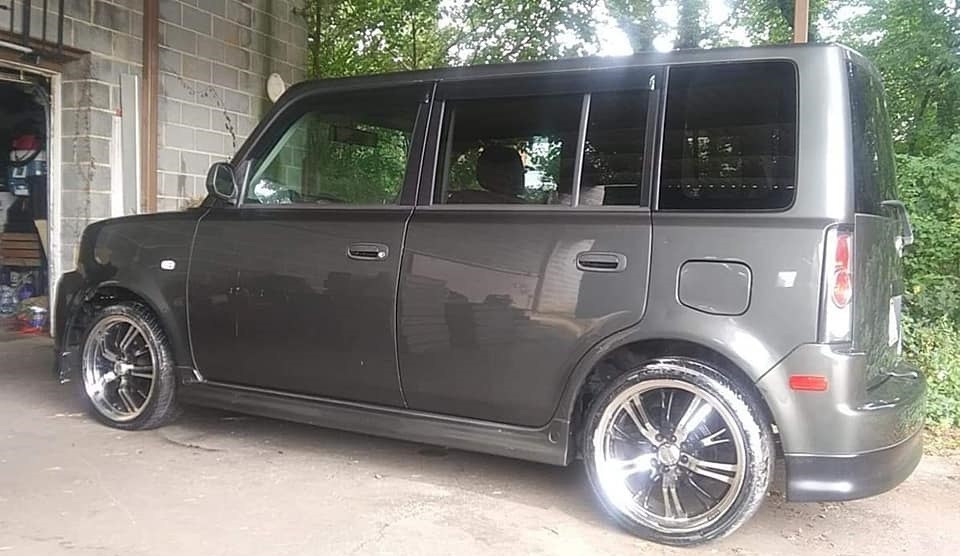
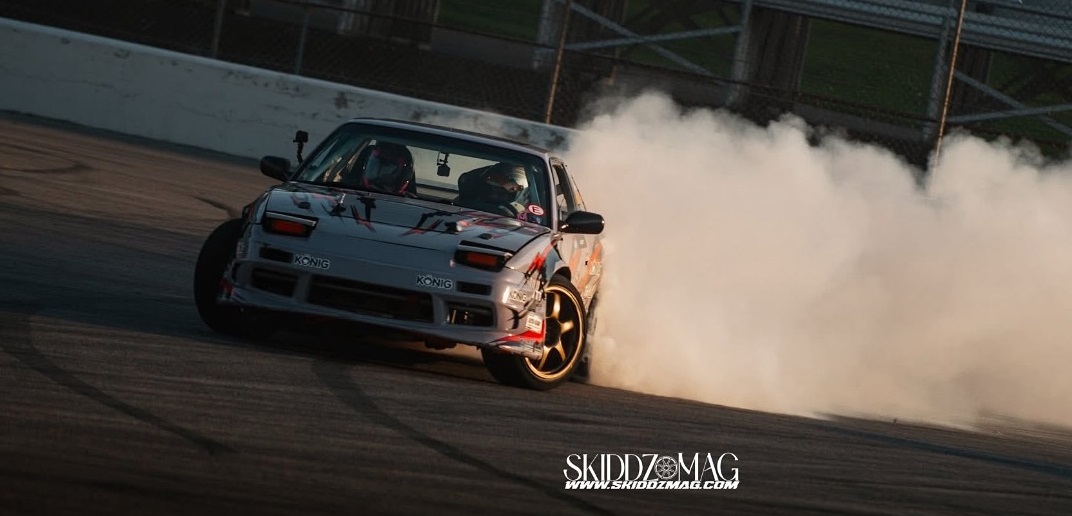
Through the 90’s and early 2000’s the brand practically wallpapered magazines and was a staple at shows like Hot Import Nights. Their wheels had funky names like Helium, Unknown, and Unknown. All were gravity-cast and light-ish, but nothing compared to today's standards. They were everywhere. You’d find them on Civics, Integras, and even those drift missile S-chassis held together by zipties.
Fast forward to 2013, and the aftermarket has matured. Enthusiasts are more serious about track use, and ‘cheap cast wheels’ has become an offensive term in internet rhetoric. How did Konig keep up with the times? They introduced flow-forming technology, or what they call ‘FFT’ in fancy marketing terms.
Since this pivot, about half of Konig’s catalog has gone flow-formed. You’ll find the Hypergram, Dekagram, Ultragram, Amplaform, and the new Hexaform. They still make gravity-cast options for budget-conscious buyers, however, the focus is now on FFT.


Engineering behind Konig wheels
Let’s translate the metallurgy into something you can actually feel when driving.
Cast wheels start as a mold, molten aluminum goes in, it cools, then the final product is machined. This process is cost-effective but produces a heavier product as more material is needed to achieve strength.
A forged wheel starts life as a giant chunk of aluminum. It’s heated, pressed, and manipulated into a rough wheel blank. The forged blank is then machined to the final product. Forged wheels give you the lightest, most robust wheels, however, the price reflects the excess material that is wasted and the machinery involved (it takes some insane tooling to make forged wheels).
Konig’s flow-forming lands between these two extremes. Take an 18x9.5 Hypergram, for example, which comes in around 20lbs (give or take). A comparable OEM wheel will be around 24-26lbs/piece. Switching to hypergrams knocks 4-6lbs off each corner–that’s around 20lbs of unsprung weight.
What does that mean on the track? Less weight means better steering response, better ride compliance, and a tiny improvement in acceleration/deceleration.
Certifications & credentials
Konig wheels carry JWL and VIA certifications, meaning they can survive impact and radial fatigue tests that the Japanese government mandates for passenger vehicles. Konig also self-certifies some of their wheels to meet SAE J2530, the North American fatigue standard.
Drag racing fans might know SFI 15.1, and the Hexiform meets that as well. You can wrap these up in some Micky Thompsons and do violent launches without worrying about the spokes shearing off.
Real world performance
So, are they indestructible? No, no wheel is. But, Konig’s FFT line will typically bend and or crack less than a cast option, so if you enjoy hitting potholes that might be a positive for you (more likely, you can go off track with less chance of repercussions).
Real world durability tests have backed this up. Over at FT86Club, there’s a driver who has logged 30 autocross sessions on a set of 17” Hypergrams. They have some rock chips, but there are no signs of structural compromise.
On the other side, you’ll hear horror stories of cast wheels cracking or distorting after only 3 events–this is when you start to appreciate flow-forming tech.
On the street
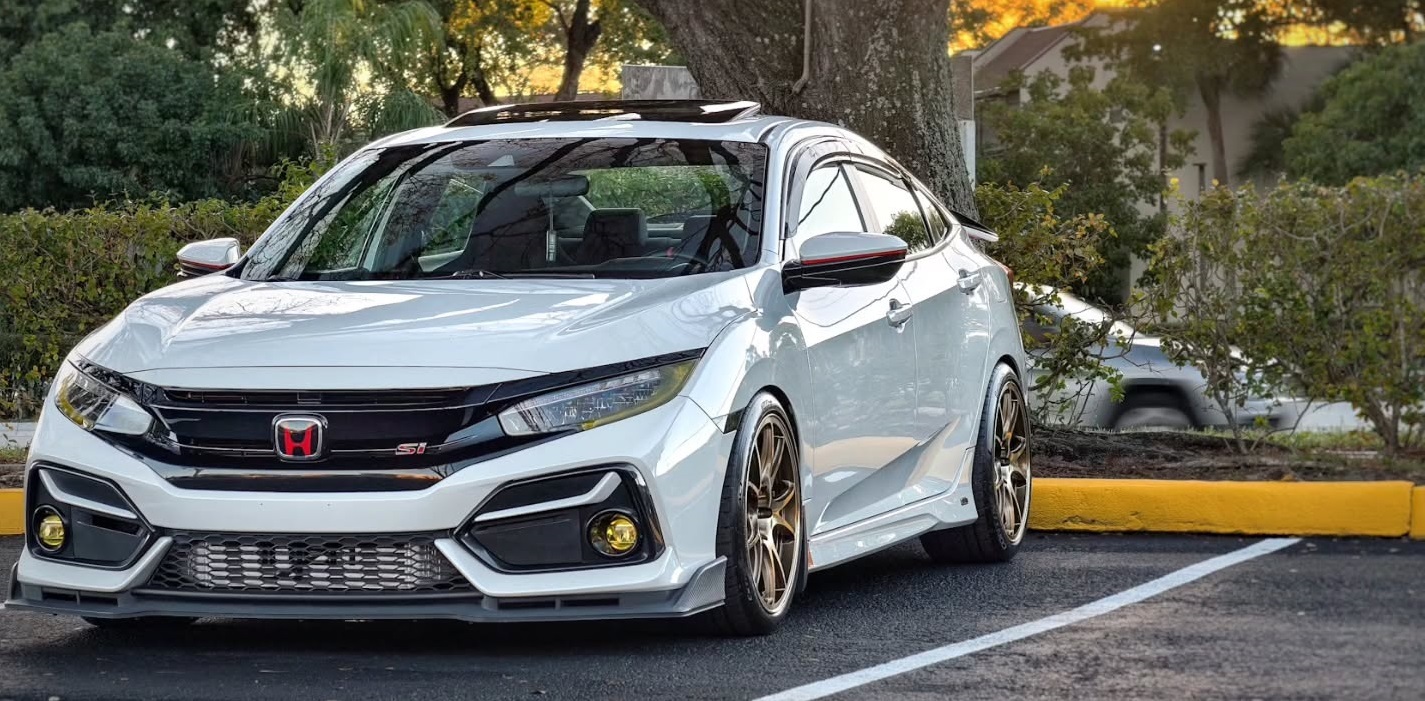
For street use, the difference between cast and flow-formed is like the difference between regular sneakers and lightweight running shoes; day-to-day, either pair will get you down the block, but the lighter shoes feel more lively and less cumbersome after a sprint. Unsprung mass works the same way. Less rotational mass means the dampers are more responsive, while the car is jarred less by bumps.
On the track
Take it to the track and the benefits magnify. Grassroots Motorsport tested a set of Konig Hypergrams against RPF1s. On identical cars, the Konig wheels nearly match the RPF1s, but at ⅔ the cost.
Will they set records? No, but the stopwatch showed a measurable gain. Importantly, after the test, they noted even tire wear, indicating that the camber deflection was minimal–this is really important for cornering.
Of course, there are limits. Run this test back, but with a 900HP Mustang S550 instead of a BRZ, and you’ll probably wish you had fully-forged TE37s instead. Konig wheels generally have a lower load rating, but for cars under, say, 3500lbs, FFT wheels will be more than enough.
Cost vs. benefit
Let’s talk price, because ‘worth it?’ always circles back to budgets. A brand new set of 17x9 Hypergrams will run around $1,100 if you buy them from us (the best place to buy them). Step up to 18” Ultragrams and you’re looking at $1,400, not bad for a set of wheels in 2025. For perspective, a similar offering from Rays or BBS will start at $3K.
If you care about price per pound, the math favors Konig. On a FRS/BRZ, switching from stock to Konig will net about 16lbs saved, this will cost about $60/pound. Compare this to name-brand forged wheels, which might cost $180+/pound.
Resell value is a different story. TE37s and Advans barely depreciate (and can sometimes become ‘collectible’), while Konig wheels will only sell for about 50-60% of original MSRP. If you plan to keep them forever or sell them with the car, resell shouldn’t make a huge difference.
Aesthetics & brand reputation
Konig’s powered coated finishes look fantastic, but the satin colors tend to chip more easily than the anodized finish on higher-end wheels. If you daily drive them through harsh winters, expect some peppering unless they are ceramic coated.
“But they’re not Volk!!, they’re reps!” The brand reputation could be a possible downside. If you’re all about real wheel bragging rights and likes on Instagram, Konig won’t elevate you to influencer status.
Some of their designs echo icons from Rays or BBS: slim spokes, split spokes, twin 6-spokes, and this will make purists upset.
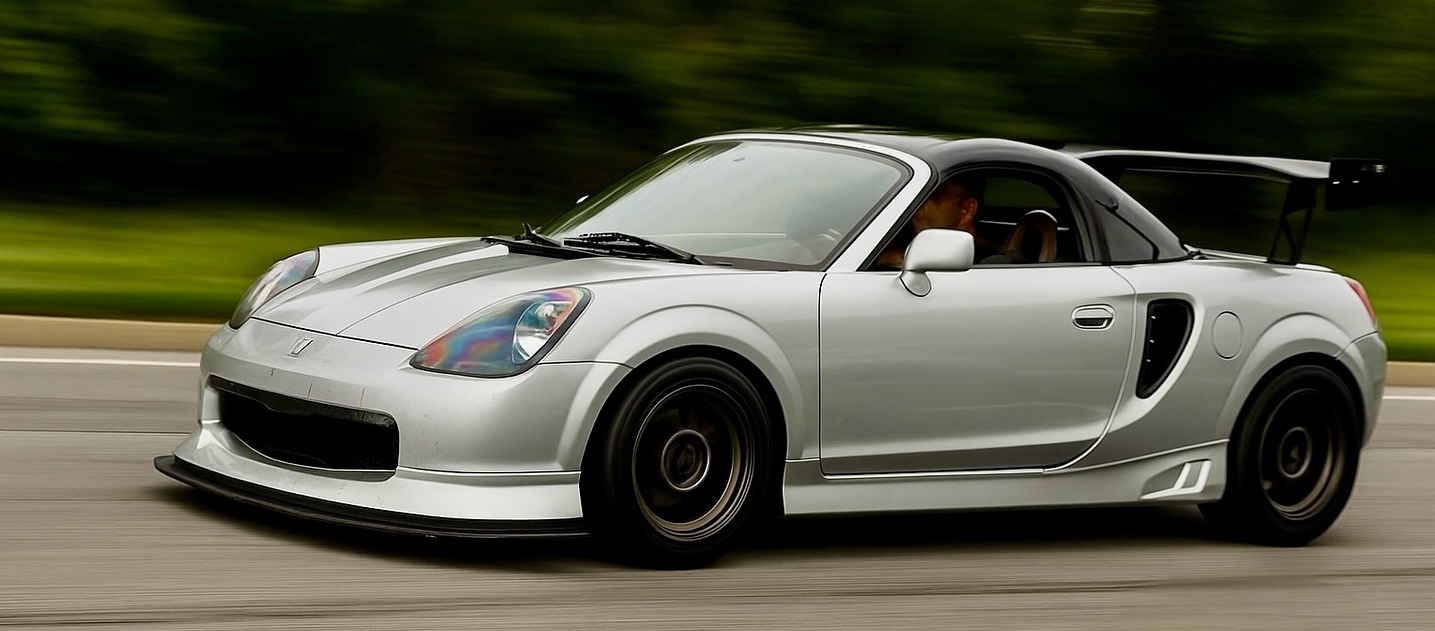
In more recent times, Konig’s catalog has expanded to include some genuinely fresh styles. Better yet, the company has poured resources into things like proper brake clearance, knurled bead seats, and custom hub-bore sizing.
Real world ownership experience
Reviews are generally positive. Hop on Reddit r/Wheels and you’ll find praise for customer service that will send you a free centering ring with zero drama, regardless of where you bought from.
Complaints usually revolve around finish, longevity, and occasionally some casting marks left on the wheels. For $1,300 for motorsports-focused wheels, you’ll have to temper your expectations. This might be living with some slight imperfections in the finish. The good thing is that there are very few horror stories of structural failure.
How we score Konig wheels
|
Konig Wheels score |
|
|
Build quality |
7 |
|
Performance & functionality |
7 |
|
Cost vs benefit |
9 |
|
Brand reputation |
6 |
|
Ownership experience |
7 |
|
Total |
7.2 |
There overall score is a solid 7.2/10.
Wrap up
Are Konig wheels actually worth it for you? If you daily drive, autocross on the weekend, or do some other occasional motorsports, Konig could be an excellent choice. You can feel a real difference in performance without incinerating your savings account. These wheels will drop unsprung weight, gain stronger barrels, and you’ll have enough cash left for better tires.
That doesn’t make Konig the right answer for everyone. If you’re chasing podiums in a heavy, high HP class, there are better options–either forged wheels or wheels designed for higher load. If you crave the capital of a forged JDM icon, Konig can’t give you that.
For the rest of us, who want our modding budget to stretch a bit further, Konig has evolved into a smart and balanced choice. They’ve graduated from tuner throwaway to genuine middleweight champion.
At 7.2 on our scorecard, we’d say they’re definitely worth it.