

Oct 13th 2025
Are ENKIE wheels worth it?
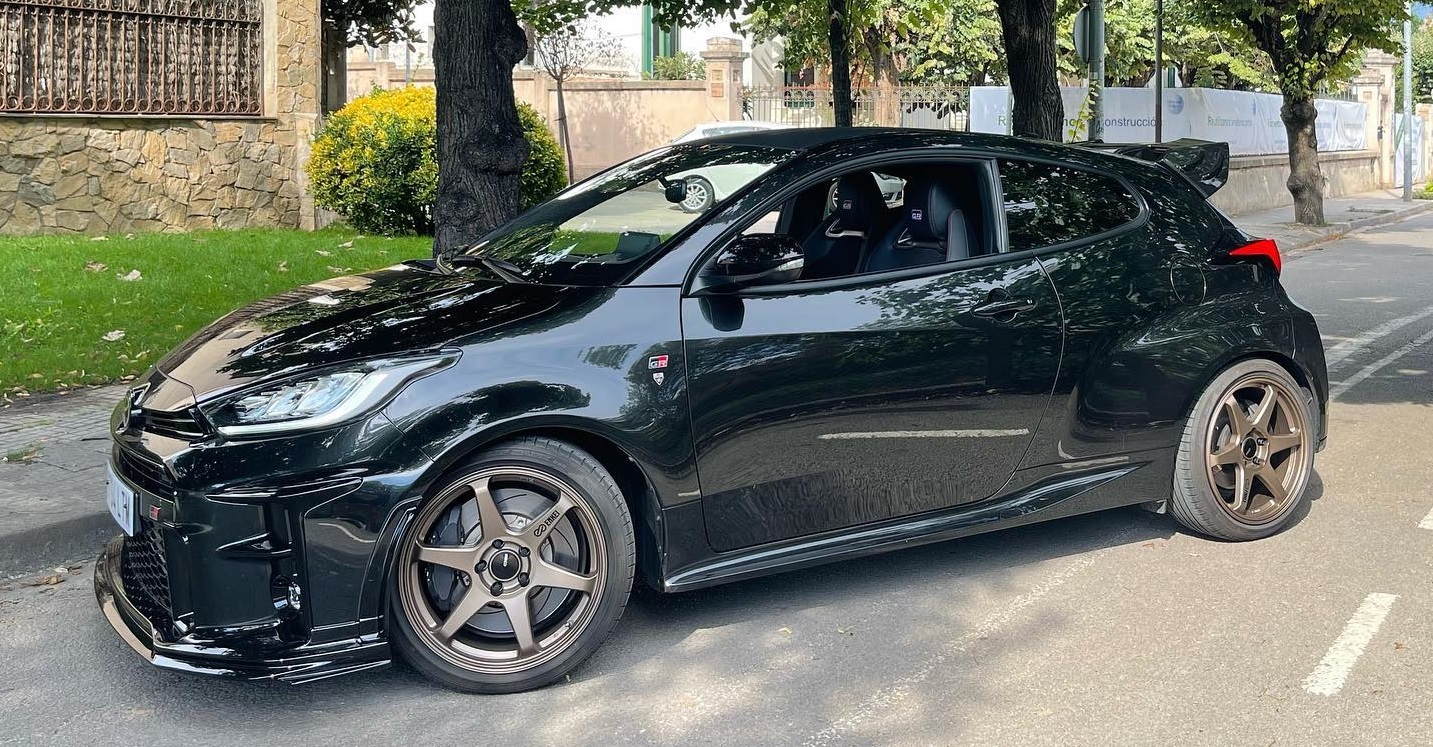
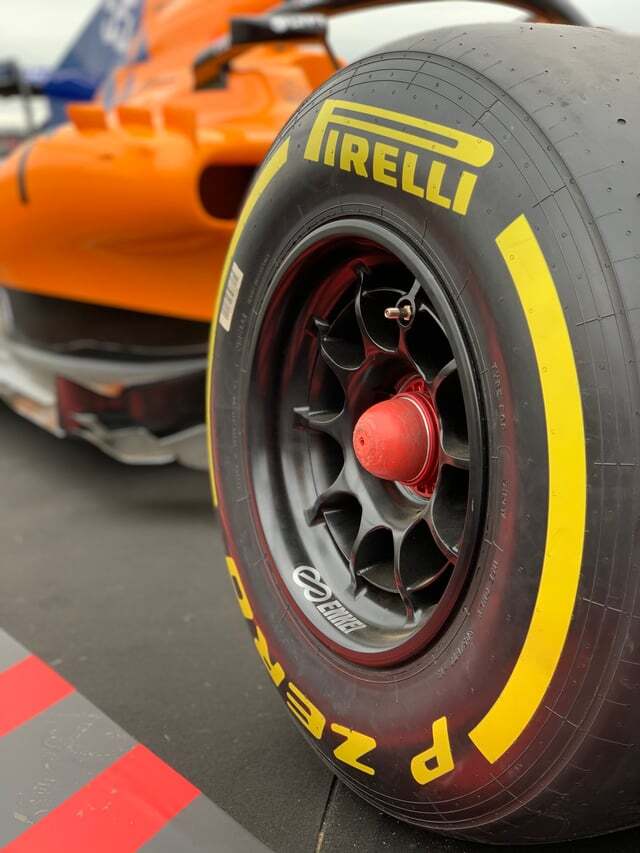
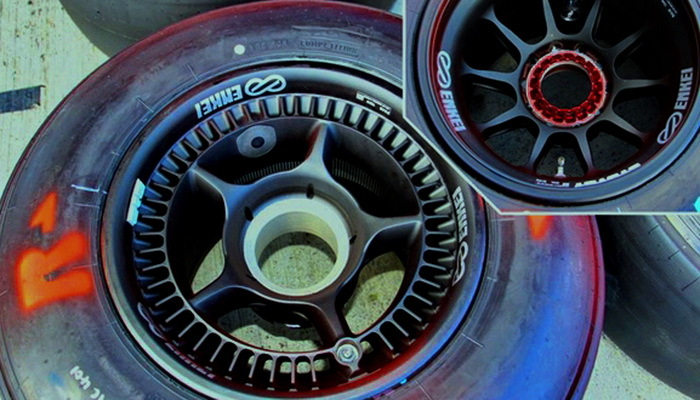
Enkei wheels are everywhere–from a slammed Civic at your local meet, to literal F1 cars ripping down the straight at Spa. Their logo shows up in places that you would never expect.
If you’re wondering if Enkei wheels are worth your hard-earned money, the answer isn’t a simple ‘Yes’ or ‘No’. We need to go back to the 1950s to better understand the company.
Quick links
- History of Enkei
- Motorsports involvement
- Engineering: MAT & more
- Most popular product
- Enkei wheels pros
- Enkei wheels cons
- Are they worth it?
Enkei: Where it started. Where it is now
/En•shū/-Kabushiki-gaisha—or in English: ‘Alloy from the Enshu region’. Obviously, the name is a nod to its roots. Founded in 1950, Enkei originally produced aluminum components. It wasn’t until 1967 that they started producing alloy wheels.
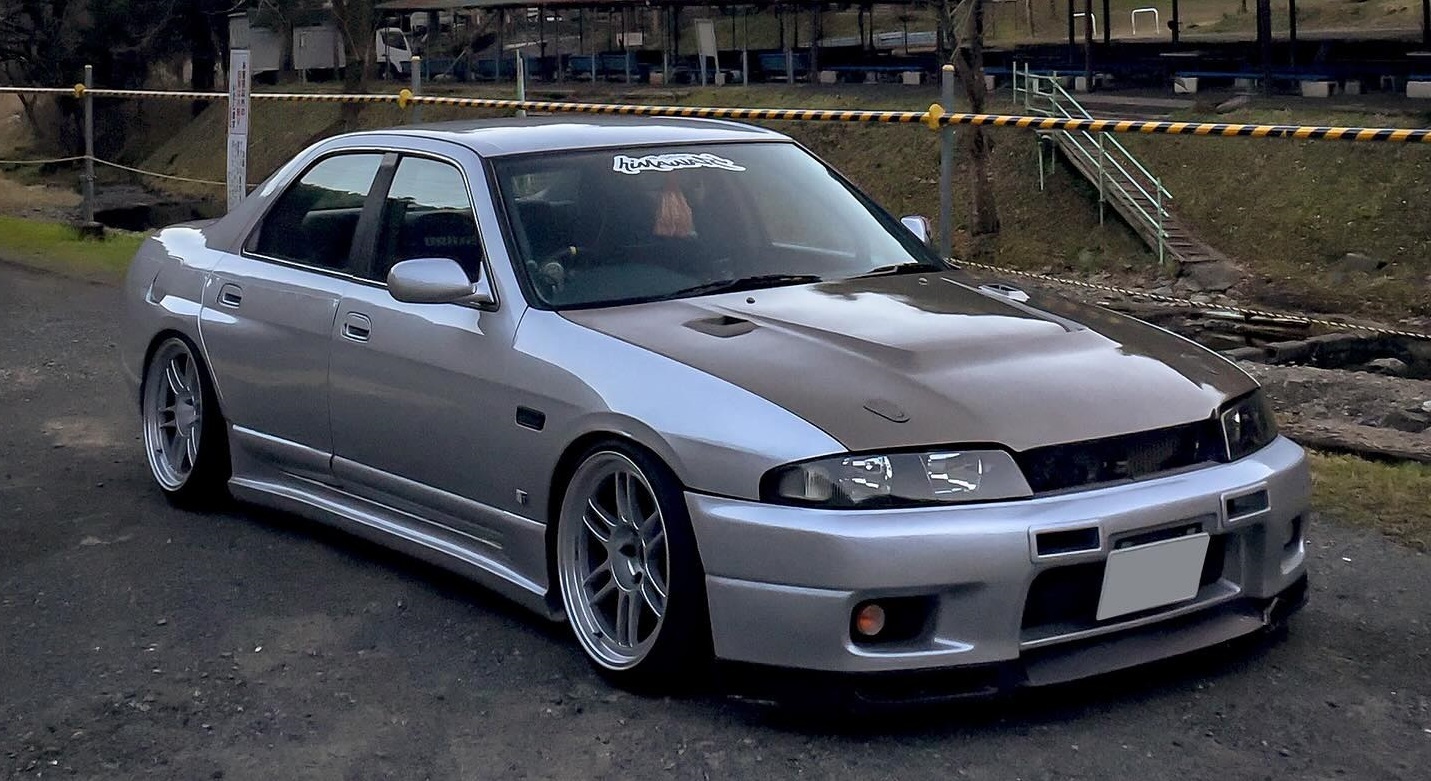
Fast forward to modern times and Enkei has grown to be one of the biggest wheel producers on the planet. They have factories in Japan, Thailand, China, and yes, right here in the USA. And they’re not just an exclusively aftermarket brand; Enkei produces OEM wheels for manufacturers like Honda and Toyota, and has been an official wheel supplier to the McLaren F1 program since the mid-90s. That racing pedigree means that R&D from the track trickles down to the Enkei wheels that you buy on our site.
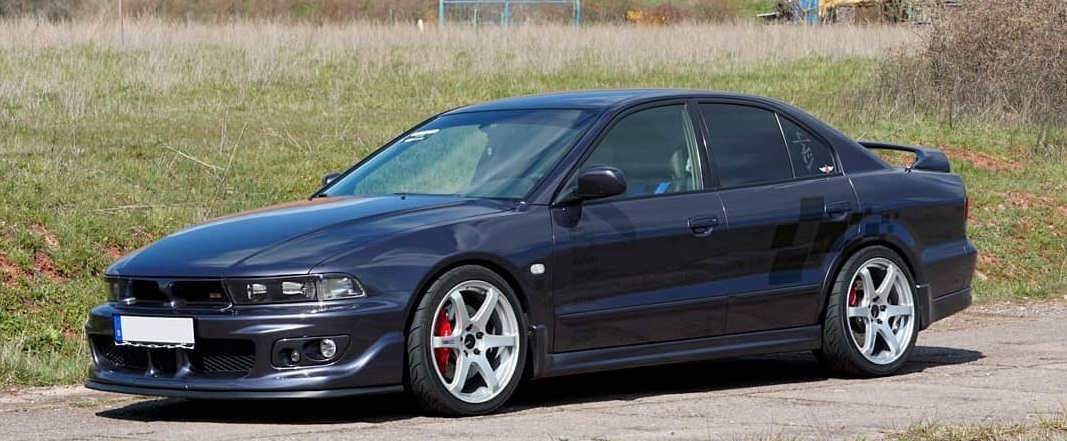
The blend of heritage, engineering, and affordability has earned Enkei a cult-like following. Enthusiasts routinely rank them amongst the top wheel brands. BUT, popularity doesn’t automatically equate to quality, after all.
The bigger question is ‘What makes Enkei different from other wheels in the same price bracket?’ and ‘Do they offer genuine performance?’ To answer the latter, we need to look more into their motorsports involvement.
Enkei’s motorsports heritage
One thing that separates them from the rest is their deep involvement in motorsports. Other brands in the entry-level/midrange don’t do it like Enkei. They might sponsor a drift car or two, but Enkei builds wheels for rally, drift, sports car prototypes, and most famously, Formula One. This means that their wheels face the most demanding environment in motorsports every other weekend.
Enkei gets to test new manufacturing methods, materials, and designs long before they trickle down to the consumer.
When a wheel can survive the torture of racing, and also look good on the street, that’s a sign that you’re buying more than just a brand name–you get actual engineering. So what exactly goes into their wheels?
Engineering in *most* Enkei wheels
Enkei doesn't make fully-forged wheels (or at least doesn’t offer them to the public). A lot of wheel nerds assume that forged wheels are both 1) strong 2) light, but Enkei points out that forged, cast, and flow-formed can have similar stiffness–at the end of the day, they all use a similar metallurgy.
Forging increases yield and tensile strength, which can allow for thinner designs, but it doesn't make a wheel lighter or stronger by default. To the contrary, a cast aluminum part will often be a bit lighter than its forged or billet counterpart as it’s less dense. This can be likened to billet vs cast turbo wheels. In an apples-to-apples comparison, cast is actually lighter.
All of this to say: Enkei primarily uses a hybrid approach that blends elements of casting and forging. They call it a ‘MAT process’, but in the industry it’s normally called ‘flow-forming’. This method creates a stronger, yet still affordable, final product. Independent testing shows that MAT wheels are around 10-15% lighter and 15-20% stronger than a comparable cast wheel. In fact, on some wheels, tensile strength is improved by as much as 30%.
The RPF1 in 15x8 comes out to around 13lbs, and an 18x8 will be around 17lbs (depending on offset, bolt pattern, etc). The tiny 14x7 tips the scales at 8.5lbs–less than a gallon of milk. Enkei notes that each lb of unsprung weight is akin to a 20lb weight reduction elsewhere. This translates to noticeable gains in acceleration, braking, and steering feel.
Certifications & accreditations
The normal JWL & VIA certifications weren’t enough for them, so Enkei decided to make its own test: Spec-E. This is tougher than Japan’s JWL standard. It calls for a higher drop point in impact testing, 20% more cycles, and rotary bending and dynamic radial fatigue testing. In other words, Enkei beats the $h!t out of their wheels, even more so than regulation requires.
Wheels that pass get a Spec-E badge, and many carry a limited lifetime structural warranty. That warranty really matters; if a wheel fails from normal day-to-day use, Enkei is going to stand behind it.
Where are they made
It’s worth noting that not all Enkei wheels are made in Japan. Some lines are made in Taiwan, Thailand, or China. However, Enkei stresses that every factory uses the same quality of material, tooling, and tests to the same Spec-E standard.
Still, we’d be lying if we didn’t say that the ‘Made in Japan’ embossing doesn’t mean something, even if it’s just feel-good points.
Product lines & popular models
Enkei offers a super broad catalog. There are more than 100 Enkei styles across 6 product lines. Notably, their highest-end wheels, using MAT tech, are all produced in Japan.
They divide their lineup into Racing Revolution, Tuning, Classic, Truck/SUV, and simply ‘Racing’. Within these, certain wheels have gained legendary status.
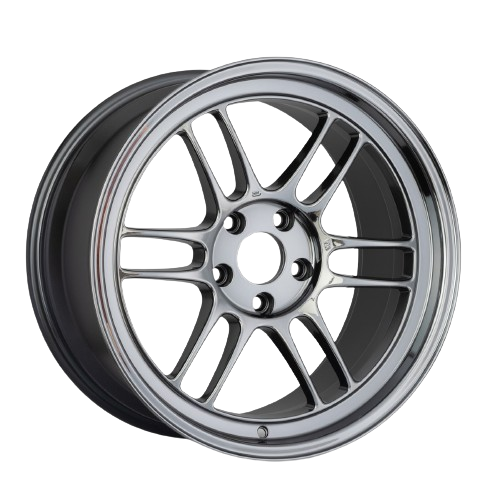
RPF1
Unless you live under a rock you’ll already know the RPF1. This is their poster child and arguably the most recognizable wheel on the market. It was originally developed for McLaren’s F1 cars in the late 1990s. It’s a split 6-spoke design.
Because of the MAT process, the RPF1 weighs less than a lot of forged wheels at the same size. You’ll find these wheels on everything from Honda Civics to Porsche racecars, and everything in the middle.
The only critique is that they’re so popular, they can be overused. Also, you could argue that they’re at a midrange rather than an entry-level price point. That said, there’s a reason for the ubiquity–they just work.


NT03+M
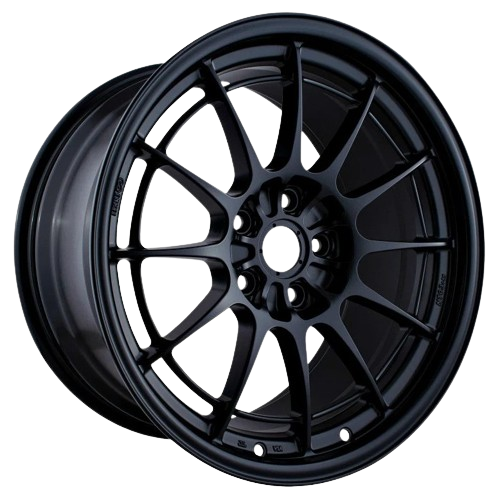
Originally just the NT03, the name has become an alphabet soup. With that aside, this is a really cool wheel.
Rather than hollowing the spokes, this wheel gets a perimeter supporting ring. This ties the spokes together to resist deformation at high loads, exactly what you need for a modern, heavy car.
Another cool feature is the double valve stem: one lets you run a TPMS, while the other lets you adjust tire pressure without removing sensors. It’s a subtle detail, but one that serious racers appreciate.
The design seems to be either loved or hated, but its functional benefits make it a favorite for weekend-warrior-type drivers.

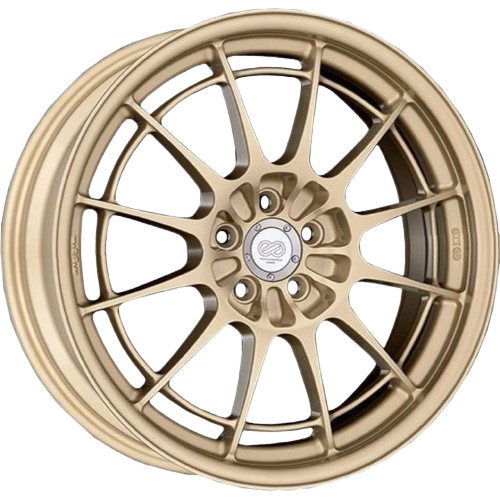
TS-10
This is classed as a ‘Tuner’ wheel and gets away from the race-inspired stuff. The TS10 features a modern look with slender spokes. These can have a concave or flat face depending on the exact specs.
These come in 17 and 18” sizes, typical of the rest of the Tuner series. The target for this series is modern sport compacts, as is evident from the larger sizes in this line.
While the price point is appealing, keep in mind that these aren’t going to perform as well as the aforementioned ‘Racing’ wheels.
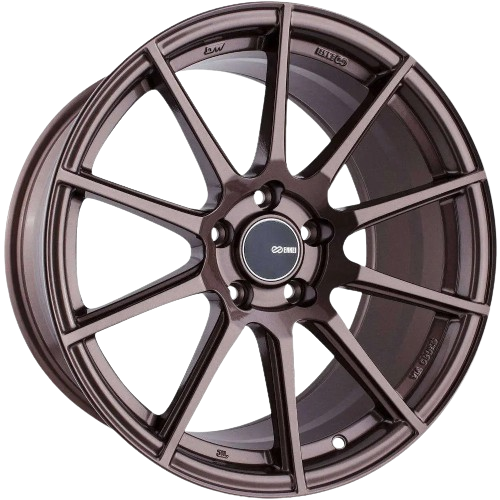


T6R
Are you looking for a classic style with modern sizing? The T6R is Enkei’s answer. Like the previous, it’s marketed toward modern sport compacts and sedans; you might see them on a Civic Type-R, WRX, or Golf GTI.
At around $1000, they’re an excellent value proposition (like all Enkei wheels). But this is one area where Enkei gets criticism: the T6R obviously takes inspiration from the TE37. But also, TEs cost $1000/piece, so… spend 4K and get the bragging rights, or just cop a set of these.


PF01
These offer great performance, like the RPF1, yet aren't overused. They come in sizes between 15-18”, and offer tons of brake clearance. A distinctive feature is what Enkei calls the ‘roulette pattern groove’, which is basically a knurled bead seat to reduce tire slippage.
The rest of the models are what we’d consider a bit more niche.
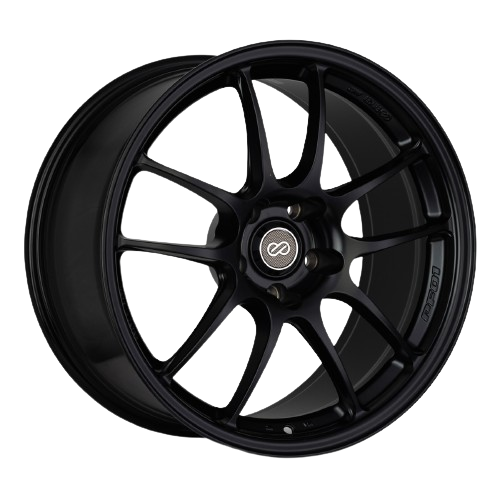

Vulcan
This has a similar vibe to the BBS SR. Not familiar with that wheel? They look like something that could be a factory option. Think of a factory Mercedes wheel with two-tone black and silver.
The Vulcan is a wide split spoke with pockets carved between them to reduce weight. These come in 17-19” sizes to suit everything from big sedans to crossovers.
These aren’t really performance wheels, but they will still perform better than 95% of stock wheels. If you want a super OEM+ look, these are the ticket.
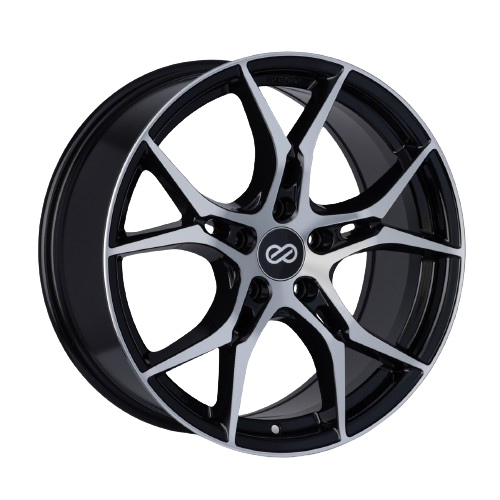

RPT1
For your offroad needs, this is an RPF1, but with a much higher load rating. These were introduced back in 2002 and are touted as being one of the lightest offroad wheels.
For those who don’t want the typical KMC or Method wheels, these are a great option.


RPF1RS
These have all the structural qualities as the normal RPF1, but come in much deeper dish options. They’re a bit heavier, but still offer excellent performance.


Pros of Enkei wheels
We haven’t touched on it much, but price is one of the driving factors behind buying a set of Enkei’s. MAT wheels are priced well below comparable flow-formed options. They’re one of the biggest, so they leverage their scale, mass produce wheels, and ultimately pass the savings onto the customer.
Their cast wheels are even more affordable, so if RPF1’s cost too much, they probably have something else for you.
Another big plus side is the wide range of sizes and finishes they offer. Compared with budget cast and flow-formed wheels, you won’t see a whole lot of options for diameter, width, offset, etc. Enkei makes wheels that cater to the classic, small cars with 15’s and 16’s, but also makes wheels that suit modern sedans, and even trucks.
In some cases, Enkei might be one of the few brands that still makes wheels that fit your platform (looking at you, Miata owners).
Cons of Enkei wheels
No product is perfect. Enkei’s strengths come with a few caveats and the main downside is that THEY’RE FREAKING EVERYWHERE! Wheels like the RPF1 are so common that you'll find them on every 4th car at a show. Then again, scroll deep enough in their catalog and you’re bound to find a sleeper pick.
Some people might complain about them taking inspiration from ‘XYZ’ other wheels. You shouldn’t care. We don’t. They have tons of wheels–some original; some look like others–there’s only so many ways they can make ‘em…
Another complaint is that not everything is made in Japan. Honestly, fair play: Japanese wheels are simply higher quality than Chinese or Taiwanese.
But should this be enough to dissuade you from the brand?
Are Enkei wheels worth it?
You can probably guess the answer: YES! They are excellent value.
The motorsports pedigree isn’t just marketing fluff, it’s real performance that you’ll feel on the track. They are affordable enough to be your first set of wheels and quality enough to make you a ‘lifer’. You can afford them on a limited budget and grow into them as your build progresses.
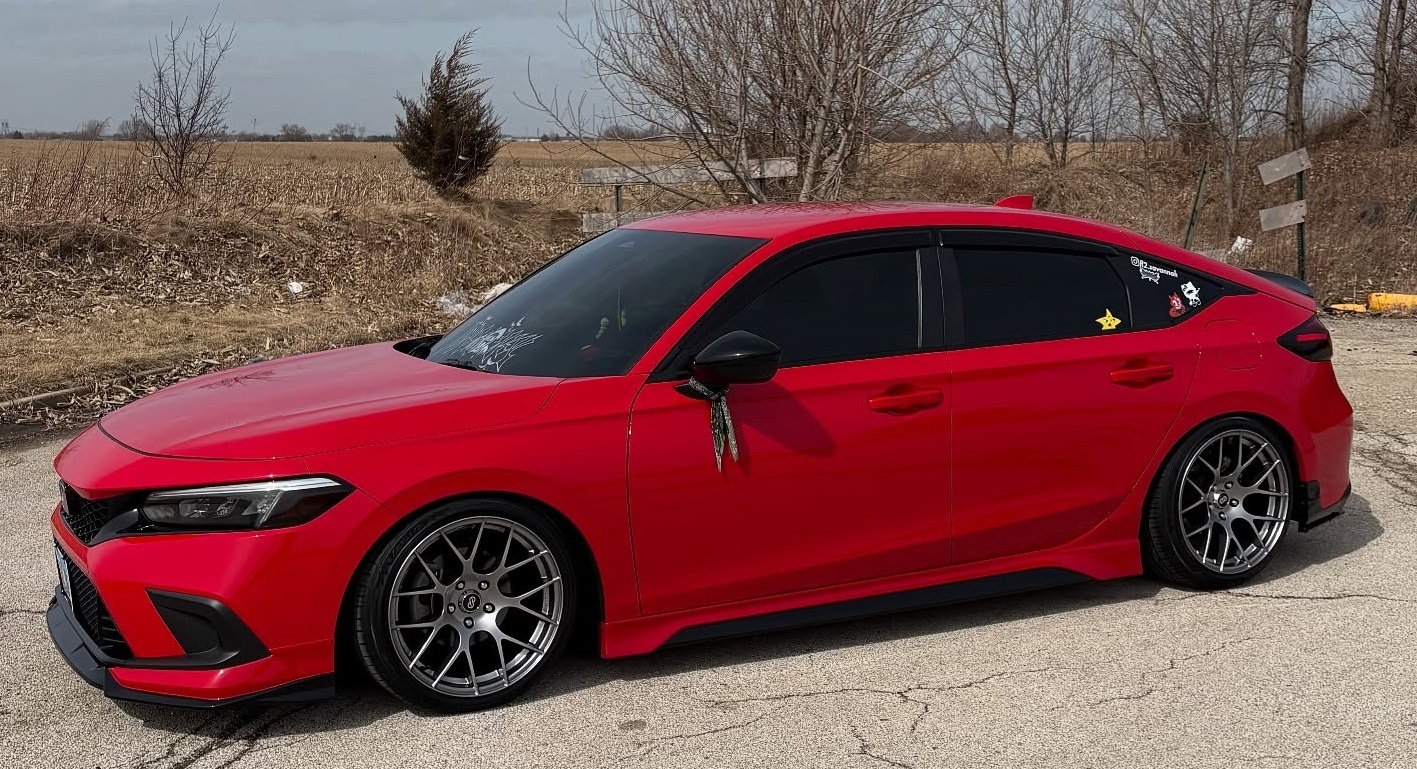
MAT technology gets you near forged performance at a near cast price. Besides the slight nitpicking we did in the last section (we do it for every wheel brand), there is almost nothing to complain about. They have great: quality control, warranty, finishes, specs, variety, etc, etc, etc…
Are they worth it? They get a resounding ‘YES’ for 99% of use cases and are an easy recommendation.