
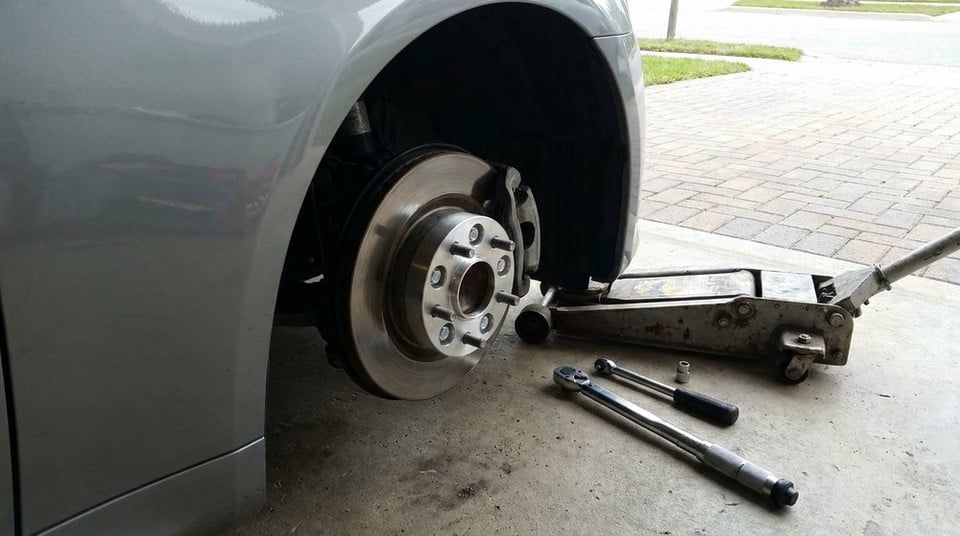
Yes, wheel spacers are safe when they're quality hubcentric parts that are installed and torqued correctly. Most failures come from the install, not the spacer: a mismatched hub bore or wrong lug torque. Run the smallest spacer that gets the look you want. Anything over 15 mm should be a bolt-on spacer with its own studs, and every spacer should be re-torqued after the first 50-100 miles.
What a wheel spacer actually does
A spacer is a machined disc that sits between your hub and your wheel. It pushes the wheel outward, closer to flush (tire and wheel lined up with the fender) or out to poke (sticking past it).
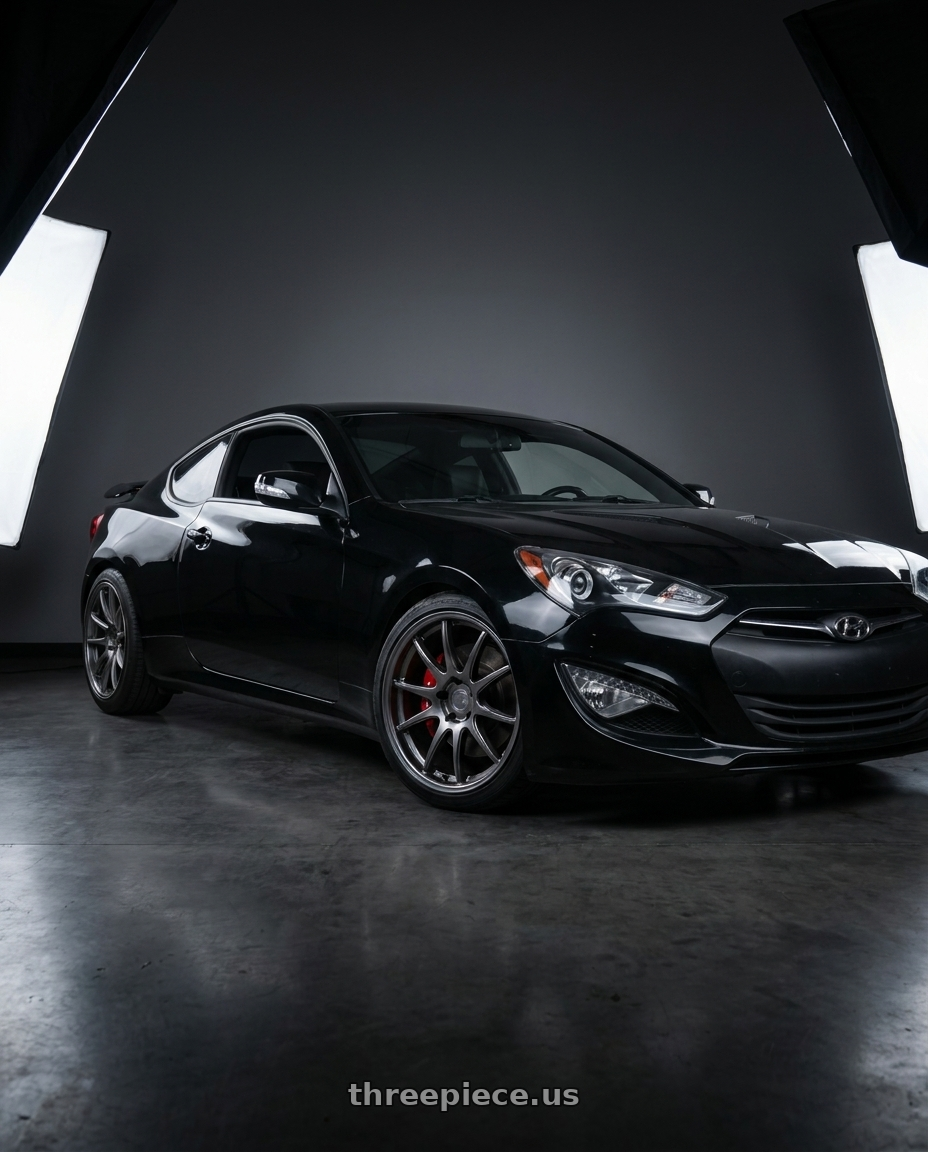
Think of it as lowering your offset without buying new wheels. If offset still feels fuzzy, our guide on the difference between wheel offset and backspacing clears it up fast.
The catch is that a spacer adds a second joint you have to get right. You now have spacer-to-hub and wheel-to-spacer, and both need to seat perfectly.
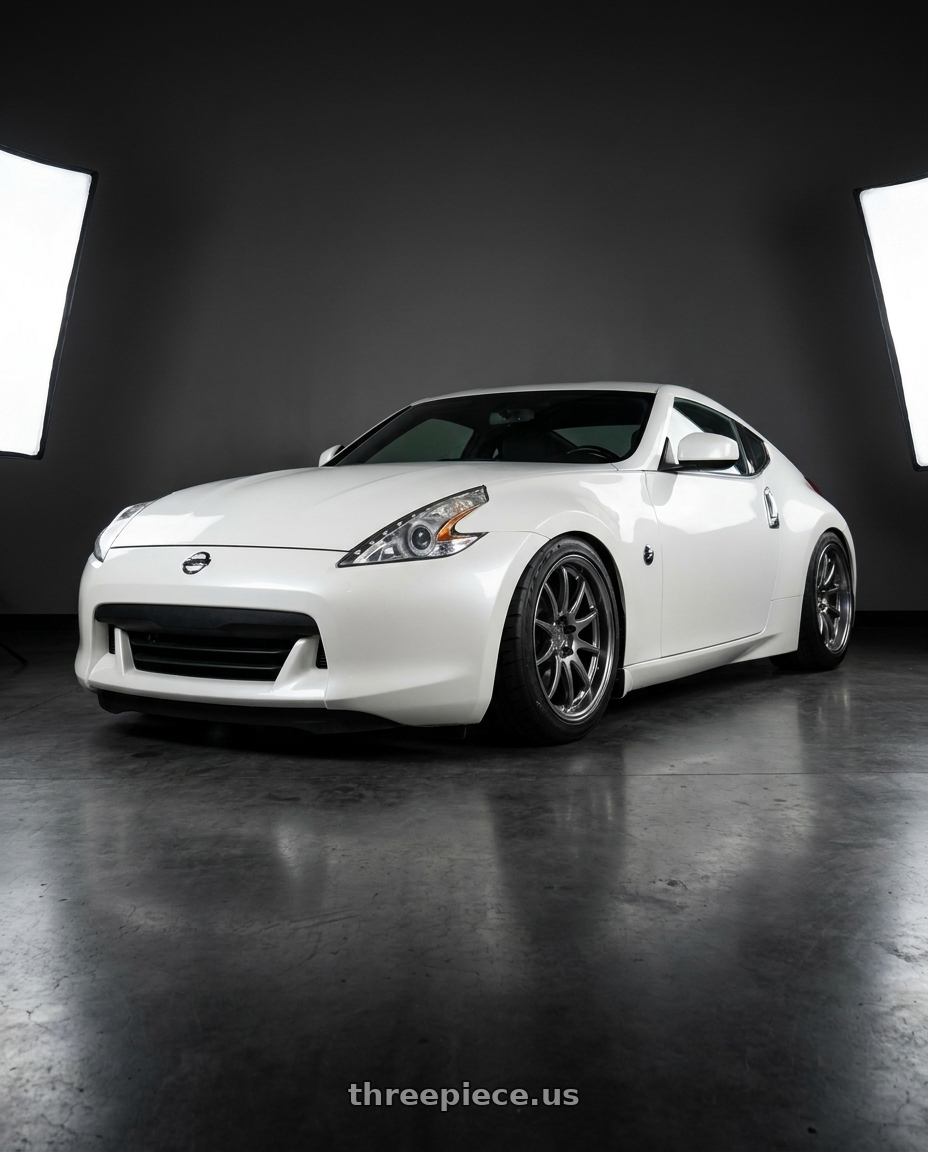
Hubcentric vs lug-centric: the part that matters most
This is the single biggest safety call you'll make. A hubcentric spacer has a center bore machined to match your vehicle's hub, plus its own raised hub lip that matches the wheel's center bore.
It seats firmly on the hub, won't shift before you tighten the lugs, and once torqued, the hub shoulder carries the wheel's load instead of the studs doing it alone. In effect it just extends the factory hub, so the load path stays the same as stock.
A lug-centric spacer skips that. There's usually a gap between the hub and the wheel, so the studs end up centering and carrying everything. That's where vibration comes from, and it's a real safety risk. Skip lug-centric spacers.
| Spacer type | How it centers | Who carries the load | Our verdict |
|---|---|---|---|
| Hubcentric | Bore matches the hub; lip matches the wheel | Hub shoulder | Run it |
| Lug-centric | Lug nuts / studs only | Studs alone | Skip it |
Good spacers are machined from aluminum like 6061-T6 or 6082-T6, and the better makers hold tolerances as tight as ±0.02 mm. You can browse hubcentric options in our wheel spacers section.
How thick can a spacer be?
Thickness decides what hardware you need. Thin spacers can work on factory hardware. Thick ones need their own studs.
| Spacer thickness | What it usually needs |
|---|---|
| Under 5 mm | Usually fine on factory studs and lug nuts, but still check engagement |
| 5-15 mm | Longer bolts on bolt-type cars; check stud protrusion on stud-type cars |
| Over 15 mm | Bolt-on spacer with its own studs |
Stud and bolt length cuts both ways. They have to be long enough for solid thread engagement to hold the wheel on. They also can't be so long that they push the spacer or wheel out of position.
With bolt-on spacers, match the factory stud size and thread pitch. The spacer must also be thick enough that the factory studs don't touch the back of the wheel, so the wheel's mounting flange sits dead flush. If the studs hit the wheel, it's the wrong spacer.
Fresh hardware helps. Our lug nuts section has seat styles and thread sizes for most setups, and McGard lug nuts are a solid pick if you want locks too.
What spacers change about how the car drives
Even a perfect install isn't free. Moving the wheel out changes the geometry, and you should know what you're signing up for.
- Rubbing: Too thick and the tires hit the fender lips. Measure before you order and this is avoidable.
- Scrub radius: Pushing the wheel out increases it, so low-speed turning gets heavier.
- More leverage: The wheel sits farther from the hub, which puts more leverage on the wheel bearings and suspension. Bearings can wear faster, and the suspension can feel a little softer.
- Towing and hauling: Spacers can cut into what your truck should tow or carry.
That's why a 2-inch hubcentric spacer can be perfectly safe and still deserve regular inspections. Thicker means more leverage, every time.
The mistakes we see people make
- Wrong hub bore. The vehicle's hub bore has to match the spacer, and the spacer's extended hub has to match the wheel. Miss either one and you've built a lug-centric setup by accident.
- Wrong torque. Incorrect torque on the lug nuts or wheel bolts is the other big failure cause. Use a torque wrench, not an impact gun and a guess.
- No re-torque. Check every nut again after the first 50-100 miles. Good bolt-on kits ship with studs, lug nuts and blue thread locker.
- Going too thick. Buying 2 inches when 1 would do just adds leverage and rub risk.
- Using spacers as a fix. Never use a spacer to cover for a damaged hub, a warped wheel, a stripped thread or a poor-quality wheel. That's stacking a problem on a problem.
- Cheap no-name parts. Spacers are only as safe as their machining. This is the wrong place to save money.
One more thing: tell your insurer about the mod. And if you're in the UK, spacers aren't illegal, but MOT rules say the wheels can't stick out beyond the arches.
Wheel spacers vs adapters
People mix these up constantly. A spacer only adds space. An adapter adds space and converts the bolt pattern, like running 5x114.3 wheels on a 5x100 car.
An adapter bolts to the hub on your vehicle's pattern, then has pressed-in studs in the new wheel's pattern. Both push the wheel out and widen track width.
| - | Spacer | Adapter |
|---|---|---|
| Adds spacing | Yes | Yes |
| Changes bolt pattern | No | Yes |
| Slip-on designs exist | Yes | No |
| Bolt-on with own studs | Yes (thicker sizes) | Always |
| Widens track width | Yes | Yes |
Same rules apply to both: match the vehicle, the wheel, the studs, the center bore and the load you'll carry, then seat and torque everything properly.
Buying new wheels? Skip the spacer entirely
If you're already shopping for wheels, order the right offset and you won't need a spacer at all. One joint instead of two, and no extra hardware to babysit. Our offset and backspacing calculator shows exactly where a new wheel sits versus your current one.
Here are three wheels that build the stance into the wheel itself.
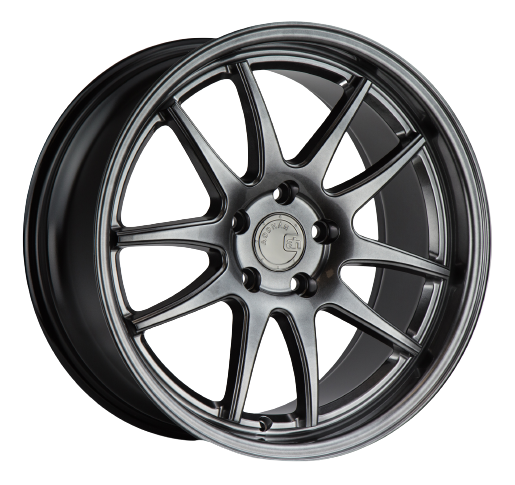
Aodhan DS02 5x114.3 18x8.5+35 Hyper Black
- Size: 18x8.5, 5x114.3, 35 mm offset
- Finish: Black
- Build: Cast monoblock
$224.78 · View details
The Aodhan DS02 is an 18x8.5 at +35 with 6.1 inches of backspacing and a 73.1 mm hub bore. It carries a 1521 lb load rating and weighs 22.5 lb. A moderate offset like this is a clean way to get closer to flush on a 5x114.3 car without stacking spacers.
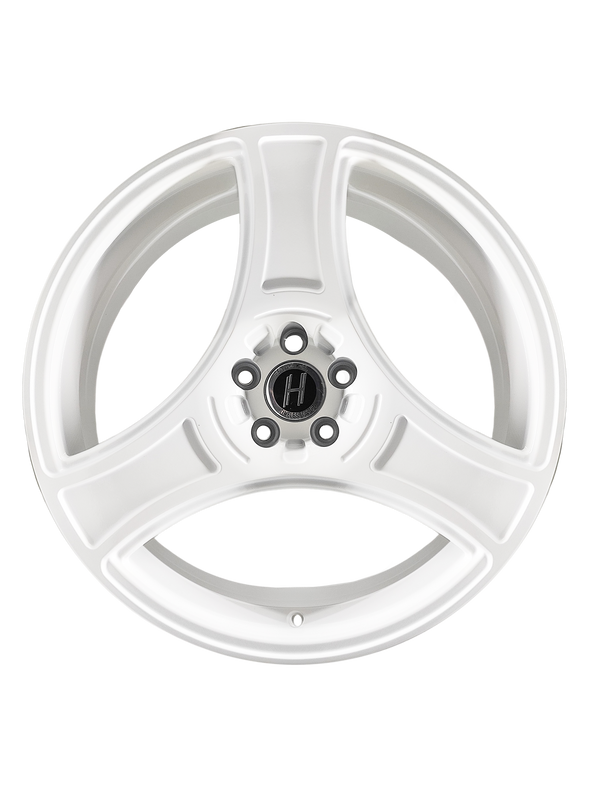
The Heritage Bushido Monoc is a 9.5-inch-wide 18 at +12 on 5x10⁵. That low offset and extra width give you the aggressive, pushed-out look a spacer would, minus the second joint.

Fuel 1PC D679 REBEL 6X135 20X10 -18 MATTE BLACK
- Size: 20x10, 6x135, -18 mm offset
- Finish: Matte Black
- Build: Cast monoblock
$424.00 · View details
The Fuel Rebel D679 is a 20x10 at -18 on 6x135, with an 87.1 mm hub bore, a 2300 lb load rating and a lifetime structural warranty. Negative offset already throws the wheel outward, so you get that pushed-out stance from the wheel itself. Our guide to negative offset wheels on trucks covers the rub and wear side.
| Wheel | Size | Offset | Bolt pattern | Hub bore | Load rating | Price |
|---|---|---|---|---|---|---|
| Aodhan DS02 | 18x8.5 | +35 | 5x114.3 | 73.1 mm | 1521 lb | $224.78 |
| Heritage Bushido Monoc | 18x9.5 | +12 | 5x10⁵ | - | - | $254.25 |
| Fuel Rebel D679 | 20x10 | -18 | 6x135 | 87.1 mm | 2300 lb | $424.00 |
Not sure what your car takes? Start with what wheels fit my car, then plug your numbers into the wheel fitment calculator.
What we'd do
- If you're keeping your current wheels and just want flush, we'd run hubcentric spacers only, the thinnest that gets you there, torqued to spec and re-checked after 50-100 miles.
- If the job needs more than 15 mm, we'd go bolt-on with its own studs and match the factory thread pitch. No exceptions.
- If it's a truck that tows heavy, we'd skip spacers and buy the right offset instead.
- If you're buying wheels anyway, order the offset you want and leave spacers out of it. That's the cleanest setup there is.
For the full picture on stance styles, our guide to every type of wheel fitment walks through flush, poke and tuck.
FAQ
Are hubcentric wheel spacers safe?
Yes. Hubcentric spacers are the safe way to run spacers. The center bore matches your hub and the spacer's lip matches the wheel, so the hub shoulder carries the load just like stock. Get the bores right, torque the lugs properly, re-torque after the first 50-100 miles and inspect them regularly, especially on thicker spacers.
What's the difference between wheel spacers vs adapters?
A spacer only moves the wheel outward. An adapter moves it outward and changes the bolt pattern, like letting 5x114.3 wheels bolt onto a 5x100 hub. Adapters always bolt to the hub with pressed-in studs for the new pattern. Spacers come in slip-on and bolt-on styles. Both widen track width and both need careful installation.
Are wheel spacers safe on a daily driver?
Quality hubcentric spacers installed correctly are fine on a daily. Keep them as thin as your look allows, because thicker spacers add leverage on bearings and suspension, raise scrub radius and can cause fender rub. Check lug torque after the first 50-100 miles and keep an eye on them at every tire rotation.
How thick of a wheel spacer is safe?
There's no single safe number, so use the smallest spacer that does the job. Under 5 mm usually works with factory studs and nuts. Between 5 and 15 mm, you'll typically need longer bolts or a stud-protrusion check. Over 15 mm, go with a bolt-on spacer that has its own studs. Measure first so you don't end up rubbing.
Do wheel spacers wear out wheel bearings?
Pushing the wheel out adds leverage on the wheel bearings and suspension, and more leverage can mean faster bearing wear. The fix is staying thin, staying hubcentric and making sure the hub bores match on both sides. If you need serious outward push, buying wheels with the right offset is the better move.
Ready to dial in your stance? Shop hubcentric options in our Vista spacers and Unique spacers, or skip the spacer and find wheels with the right offset.