
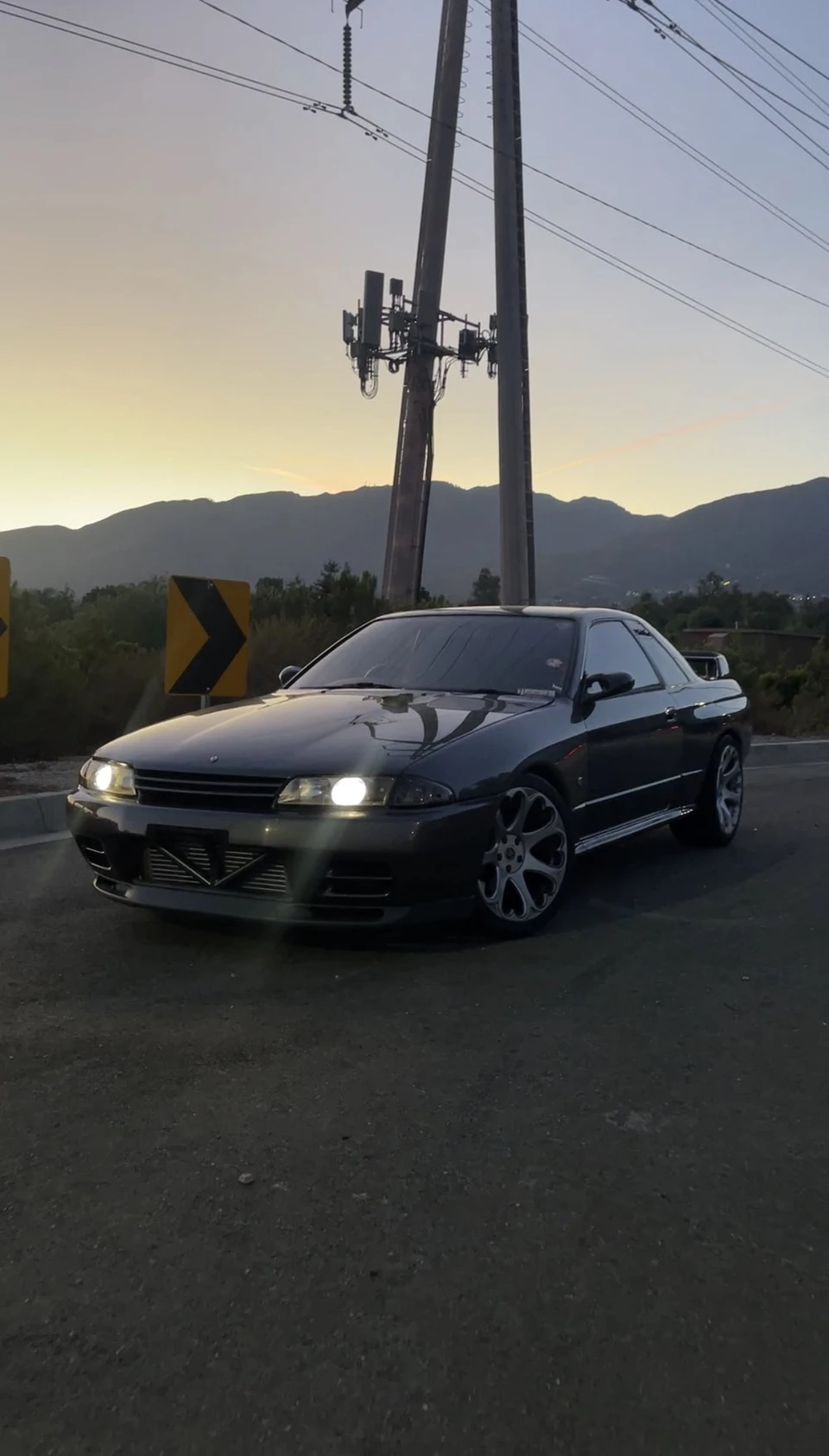
A TPMS sensor is the small transmitter attached to the valve stem inside each tire. It tells your car the pressure in that tire, and federal rules require the dash light to come on within 20 minutes once a tire drops 25 percent below the recommended cold pressure. When you swap wheels, you have two options. You can move your sensors over, or you can install new ones and run a relearn so the car knows their IDs. If you skip both, the light stays on.
What is a TPMS sensor?
TPMS stands for tire pressure monitoring system. There are two basic types, and only one of them puts hardware in your wheels.
A direct system has a pressure sensor in each tire. An indirect system has no sensors in the wheels. It works with the anti-lock brakes and compares the speed of one wheel to another, working out tire pressure from wheel speeds.
| System type | How it reads pressure | Hardware in the wheel | What a wheel swap means |
|---|---|---|---|
| Direct | A sensor in each tire reports pressure | Sensor on the valve stem | Move your sensors or install new ones and relearn |
| Indirect | Compares wheel speeds through the ABS | - | No sensors to move |
Most of what follows applies to direct systems, because that's where wheel swaps go sideways.
Why every new car has one
TPMS exists because of a mandate in the TREAD Act of 2000. The rule that came out of it is FMVSS No. 138. It covers passenger cars, multipurpose passenger vehicles, trucks and buses with a GVWR of 10,000 pounds or less.
| Item | Detail |
|---|---|
| Mandate | TREAD Act of 2000 |
| Standard first issued | June 5, 2002 |
| Phase-in began | 2005 |
| Full effect (multistage vehicles) | 2008 |
| Low-pressure trigger | 25% below placard pressure, or the standard's minimum activation pressure, whichever is higher |
| Tires monitored | Any one up to all four |
| Low-pressure warning time | Not more than 20 minutes |
| Malfunction warning time | Not more than 20 minutes |
| Canada | No equivalent requirement |
The 2002 version of the rule let automakers choose between two options. One was a system that caught a 25 percent drop on all four tires. The other was a system that caught a 30 percent drop on one tire.
The final rule requires catching a 25 percent drop on any tire, up to all four. It cites an estimate of 119 to 121 lives saved per year.
The numbers behind it are ugly. Among US passenger vehicles from model years 2004-2011, 12.4 percent had at least one tire severely underinflated, meaning 25 percent or more low. TPMS is estimated to be 56 percent effective at preventing that, and over 35 percent effective at preventing moderate underinflation of 10 percent or more.
So yes, that little sensor earns its keep.
Solid light vs flashing light: what's the difference?
Your dash can tell you two different things, and new-wheel owners mix them up all the time.
- Solid from start-up: a tire is low. The light has to come on within 20 minutes of underinflated driving at 50-100 km/h. It stays on until you fix the pressure. Your target is the recommended cold pressure on the door jamb label, not the max number on the sidewall.
- Flashes for about a minute, then goes solid: that's a malfunction. It repeats every time you start the car until the problem is fixed. While that light is on, the system may not be able to warn you about low pressure at all.
Here's the part that surprises people. If your wheels or tires keep the TPMS from working, the system is supposed to throw that malfunction light. As far as the federal rule is concerned, that's the system working as designed, not a broken car.
A flashing light after a wheel swap usually means one of two things. Either there are no sensors in the new wheels, or the car hasn't learned the new ones.
Are TPMS sensors universal?
Not straight out of the box. Different vehicles use different frequencies: 314.9, 315 and 433 MHz are all out there. A sensor also has to be set up for the vehicle it's going into.
Programmable aftermarket sensors close most of that gap. They ship blank, and a shop programs them to your vehicle with a scan tool.
One Schrader EZ-sensor covers over 100 million TPMS-enabled vehicles in North America. Its 90-degree version (part 33900) combines 314.9, 315 and 433 MHz in a single part. It has several 90-degree aluminum valve stem options, and the stems are sold separately.
The same tool that programs the sensor also handles install, relearn and verification.
Bottom line: a programmable sensor gets close to universal, but it still has to be programmed for your car. Plan for that step.
Swapping wheels: move your sensors or buy new ones?
On a direct system, the sensor is attached to the valve stem. Moving it means breaking the tire bead at the valve stem on both the old and new wheels. If your new wheels come with sensors already installed, the car has to be programmed to look for those new sensor IDs. Otherwise the light stays on.
| Option | What it takes | When we'd do it |
|---|---|---|
| Transfer your existing sensors | Break the bead on old and new wheels, move the sensors, torque the stems to spec | Sensors are fairly new and you're retiring the old wheels for good |
| New sensors in the new wheels | Program the sensors (if programmable), install, relearn the IDs | Sensors are getting old, or you're keeping the stock wheels as a winter set |
| Run no sensors | Nothing, plus a flashing light on every start | Never |
Age matters more than people think. TPMS sensor batteries last about 5-10 years or 100k miles. When the battery dies, the whole sensor gets replaced.
Sensors also get killed by flat tires, accidents and potholes, and they corrode, usually from road salt. If yours are approaching that age, don't pay labor to move them onto fresh wheels. Put new sensors in, and replace all of them together.
Install mistakes we see
Cranking the stem nut to "fix" a leak
This is the big one. The sealing grommet is engineered to work at one specific torque. Going past that number causes the seal to leak instead of fixing it.
Extra force can also damage the nut or the valve. Get the assembly or torque wrong and you can end up with a broken sensor, or a flat tire on the side of the road.
Treating the torque range as a target
Valve stem base nuts typically fall between 35 and 80 in.-lbs. That doesn't mean anything in that range is fine. Each vehicle has its own spec, such as 44, 62 or 71 in.-lbs. Check the exact number for your sensor and vehicle with the maker.
The right tools are a torque wrench that reads in inch-pounds, a preset torque-calibrated T10 screwdriver and a preset valve stem torque tool. Your lug nut torque wrench is the wrong tool for this job.
Reading the wrong spec
One 2010 Ford manual lists 1.5 Nm (13 lb-in). That figure is for the small screw that holds the stem to the sensor body, not the valve stem nut. Make sure you know which fastener you're torquing.
Forgetting the relearn
New sensor IDs mean the car has to learn them. Relearn procedures vary by maker.
Here's one example. On a Chevy Equinox EV running non-GM sensors, you press Relearn Tire Pressure on the screen and the car honks twice. Then you let air out of the tires in this order: driver front, passenger front, passenger rear, driver rear. It single-honks as it learns each sensor and double-honks when it's done. Topping off air later doesn't need a relearn.
What it means when you're buying wheels
Budget for TPMS sensors the same way you budget for tires and hardware. Every direct-TPMS car needs a plan for sensors before the new set goes on.
Lock in your fitment first with our wheel fitment calculator and the offset and backspacing calculator. If the numbers are new to you, start with our guide on why wheel offset matters and our breakdown of wheel sizing basics.
Here are three cast monoblock wheels from our stock. They show the kind of specs you'll match to your car before you sort out sensors.
| Wheel | Bolt pattern | Size | Offset | Hub bore | Price |
|---|---|---|---|---|---|
| Vors TR4 Hyper Black | 5x112 | 19x9.5 | +22 | 73.1 | $288.55 |
| Heritage Wheel EBISU MonoC Silver | 5x10⁵ | 18x9.5 | +38 | 73.1 | $339.00 |
| KATANA RACING KR08 Matte Black | 5x100 | 18x8 | +40 | - | $215.00 |
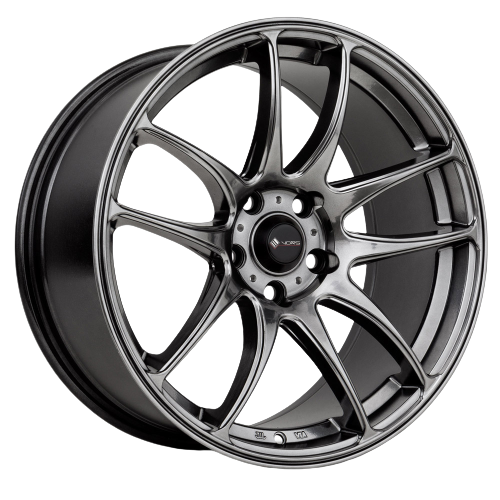
The Vors TR4 is a good example of an aggressive fitment. It's 19x9.5 with a +22 offset, 6.1 inches of backspacing, a 690 kg load rating and a weight of 24.4 lb. A wheel like that is exactly when you want the sensor question answered before the tires get mounted, not after.
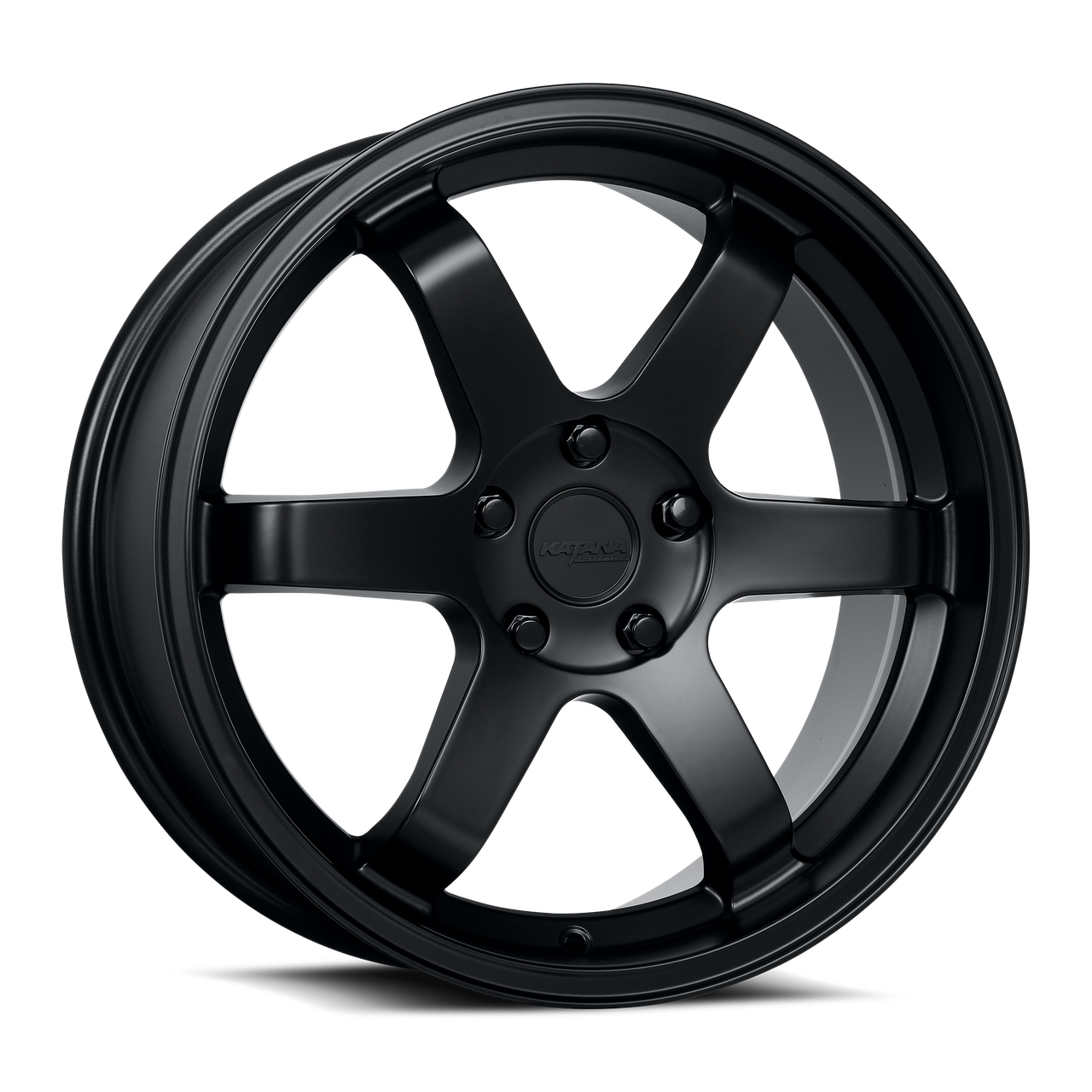
KATANA RACING KR08 5x100 18x8 +40 Matte Black
- Size: 18x8, 5x100, 40 mm offset
- Finish: Matte Black
- Build: Cast monoblock
$215.00 · View details
The KATANA KR08 is the milder pick. It's 18x8 at +40 with 6.1 inches of backspacing, built for street and performance use.
Whichever wheel you choose, check your hardware at the same time. Aftermarket wheels often need different lug nuts, and some vehicles use lug bolts instead. Add a lug nut lock to protect the new set.
Car-specific guides like our 8th Gen Civic fitment guide and 4th Gen 4Runner wheel and tire guide cover which sizes actually fit.
What we'd do
- If your sensors are more than about 5 years old, or you're past 100k miles, we'd put a fresh set in the new wheels and replace all four at once.
- If you're keeping your stock wheels as a winter or spare set, we'd leave their sensors alone and put programmed sensors in the new wheels.
- Torque the valve stem nut to your vehicle's exact spec with an inch-pound tool. If it leaks, find the cause. Never just add torque.
- Don't call the job done until the relearn is complete and the light is off. Running with a flashing TPMS light means you have no low-pressure warning at all.
FAQ
What is TPMS?
TPMS is your car's tire pressure monitoring system. Direct systems use a sensor in each tire. Indirect systems compare wheel speeds through the ABS. On US vehicles with a GVWR of 10,000 lb or less, it has to warn you within 20 minutes once a tire drops 25 percent below the recommended cold pressure, or below the standard's minimum, whichever is higher.
Are TPMS sensors universal?
Not out of the box. Vehicles run on different frequencies, including 314.9, 315 and 433 MHz. Programmable sensors ship blank and get programmed to your exact vehicle with a scan tool, so one part covers a huge number of cars. They still need that programming step and a relearn before your dash goes quiet.
Do I need a TPMS sensor for new wheels?
If your car has direct TPMS, yes. You can move your existing sensors, which means breaking the bead at the valve stem, or install new ones. Either way, the car must know the sensor IDs. Without sensors you'll get a malfunction light on every start, and no low-pressure warning when it matters.
How long do TPMS sensors last?
The battery typically lasts 5-10 years or about 100k miles. When it dies, the whole sensor gets replaced. Potholes, flats, accidents and road-salt corrosion can kill one sooner. It usually makes sense to replace all four together.
Why is my TPMS light flashing?
A light that flashes for about a minute and then stays solid means a system malfunction, not low pressure. After a wheel swap, that usually means missing sensors or sensors the car hasn't learned yet. While it's on, the system may not warn you about a low tire, so get it sorted.
Ready for a new set? Start with the wheel fitment calculator to find wheels that fit, and plan your TPMS sensors before the tires go on.