

Tire balancing spreads the weight of a tire and wheel evenly around the axle so the assembly spins smooth at speed. It takes only a few grams of imbalance, sometimes as little as 10 grams, to shake the steering wheel, seat or floor. Get a balance every time a tire is mounted, rotated or patched, after a hard pothole or curb hit, and any time a new vibration shows up. If a normal balance doesn't kill the shake, the next step is a road force balance.
What is tire balancing?
No tire or wheel is perfectly even. Every assembly has a heavier side, and at highway speed that heavy spot pulls the wheel out of a smooth circle. You feel it as a buzz or a wobble.
A balance fixes this by adding small counterweights to the lighter side of the wheel. Once the weight is even all the way around the axle, the vibration goes away. So does the uneven wear that comes with it.
Here's how small the numbers are. A typical passenger tire on an alloy wheel weighs about 40 pounds, and its total imbalance is usually no more than three to four ounces. That's about half of one percent. Without weights, being off by just an ounce or two is enough to cause a highway-speed shake.
How does a wheel balance work?
A proper wheel balance goes like this:
- Each wheel comes off the vehicle.
- The tech pulls the old wheel weights.
- The wheel gets mounted on a balancing machine and spun at speed.
- The machine measures the imbalance and shows how much weight is needed and exactly where it goes.
- New small metal weights get installed at those spots, and the wheel is spun again to confirm.
Better machines do this with less weight. Hunter's SmartWeight approach, for example, aims for the best balance while using as little weight as possible. Less lead or zinc hanging off your wheel is a win, especially on a nice set of alloys.
One thing people forget: those weights can come loose. When one flies off, the wheel goes right back to wobbling. If a smooth car suddenly develops a shake, check for a missing weight before anything else.
Signs you need a tire balance
Most wheels slowly drift out of balance just from driving. Tires wear unevenly, roads beat on them, and weights shift. These are the symptoms we'd watch for:
- Steering wheel vibrates at highway speed. Classic sign. It usually points to the front wheels.
- Seat or floorboard vibrates at highway speed. That usually points to the rears.
- Shaking at certain speeds that smooths out above or below that range.
- Scalloped or cupped tread wear. Run your hand around the tread. Dips and bald spots mean the tire has been bouncing instead of rolling.
- A bumpier ride or less precise handling than you remember.
- Odd noise from the tire well.
- You just hit something. A pothole, a curb or a rough stretch of road can knock a wheel out of balance or bend the rim.
Cars that sit for a long time can also develop flat spots, and those can feel like an imbalance on the first few drives.
Where you feel it tells you which end
| What you feel | Likely cause | What to do |
|---|---|---|
| Steering wheel shakes at speed | Front wheels out of balance | Balance the fronts first, then check all four |
| Seat or floor vibrates at speed | Rear wheels out of balance | Balance the rears |
| Cupped or scalloped tread | Long-term imbalance | Balance all four and inspect suspension |
| Car pulls left or right | Alignment, not balance | Get an alignment |
| Off-center steering wheel | Alignment, not balance | Get an alignment |
| Shake remains after a fresh balance | Tire uniformity, bent rim or bead seating | Road force balance |
Tire balance vs alignment: not the same job
This is the mix-up we hear most. A balance adds counterweights to even out the weight of the tire and wheel. An alignment adjusts the steering and suspension angles back to the factory spec.
The confusing part is that a shaky steering wheel can point to either one. Here's the shortcut. If the car pulls to one side, the wheel sits off-center, or the tread wears down one edge, think alignment. If it's a vibration that comes and goes with speed, think balance. Plenty of cars need both, especially after a big pothole.
What balancing fixes (and what it doesn't)
A good balance takes care of:
- Vibration through the steering wheel, seat and floor
- Noise that comes from a wheel hopping instead of rolling
- Premature and uneven tread wear, including bald spots and cupping
- Extra strain on the suspension
- Some of the fuel economy you lose to a shaky, scrubbing tire
What a balance can't fix: a bent rim, a tire that isn't built evenly, a bead that didn't seat right, or bad alignment. Weights only correct weight. If the problem is shape or stiffness, you need a different tool.
What is road force balancing?
A regular balancer spins the wheel in the air. A road force balancer adds a roller that presses against the tire while it spins, just like the road does. On the Hunter GSP9700, that roller pushes with up to 1,400 pounds of force.
Road force is the change in force between the wheel and the axle as the assembly rotates under load. That matters because a tire can be perfectly round and perfectly balanced and still vibrate. If the tire is stiffer in one spot than another, it acts like a bump every revolution. A spin balancer will never catch that. A loaded roller samples the whole footprint, sidewall included, and does.
A road force machine can also find rim runout (a bent wheel), a tire that isn't seated on the bead properly, and tire pull issues. The Hunter Road Force Elite runs the full diagnostic in about 70 seconds floor-to-floor.
| Hunter GSP9700 spec | Value |
|---|---|
| Roller force | Up to 1,400 lbs (635 kg) |
| Max wheel and tire weight | 175 lbs (80 kg) |
| Radial and lateral runout accuracy | 0.002 in (0.05 mm) |
| Radial force measurement accuracy | 2 lbs, 10N (1.0 kg) |
| Imbalance resolution | +/- 0.01 oz (0.5 g) |
| Placement accuracy | 512 positions, +/- .35° |
When the machine finds a high spot, the fix is often match mounting, also called force matching. The tech rotates, or "clocks," the tire on the wheel so the stiffest point of the tire lines up with the low spot on the rim. The two cancel out, and the road force reading drops.
Mistakes we see people make
- Skipping the balance on a flat repair. If the tire goes back on the rim in a different spot, or the patch is a big one, the balance changes. Rebalance after every puncture repair.
- Rotating without balancing. The wheels are already off. Balance them while they're on the machine.
- Blaming the tires before checking alignment. A pull is almost never a balance problem.
- Centering alloys like steelies. Alloy wheels should be centered on the balancer from the back with a shallow cone, not front-coned like a steel wheel. A badly centered wheel gives a bad balance.
- Rebalancing the same wheel five times. If two good spin balances don't fix it, the problem isn't weight. Go road force.
What it means when you're buying tires
Every new tire needs a balance when it's mounted. No exceptions. Bigger, heavier tires make this more important, not less. Heavy light-truck assemblies need more weight to stay at the same low percentage of imbalance. A big all-terrain on a lifted truck can carry a lot of weight on the wheel, so the quality of the balance shows up fast at highway speed.
Take something like the Pirelli Scorpion All Terrain Plus in LT275/65R20. It's a Load Range E (10 ply) tire with a 126/123S service description and 15/32" of tread. That's a stout truck tire. A tire like this deserves a careful balance and, if you're picky about ride, a road force check before it goes on.
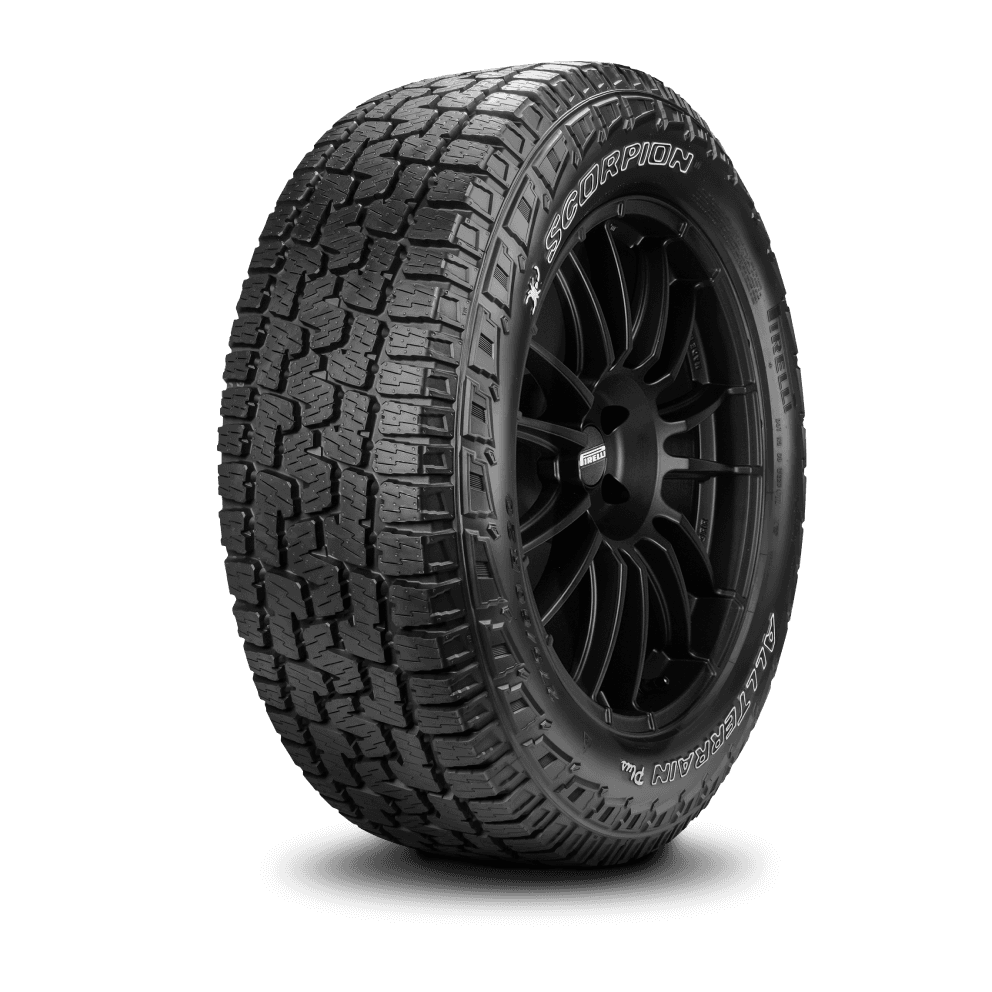
Pirelli PIR Scorpion All Terrain Plus LT275/65R20/10
- Size: LT275/65R20/10 (126/123S)
- Tread depth: 15/32 in
- Load range: E (10 Ply)
$432.00 · View details
Same goes for smaller all-terrains. The Ironman All Country A/T in 245/70R16XL is a 111T tire with 13.4/32" tread and a 460AB UTQG rating. Smaller than the big LT stuff, but it still needs weights on every mount.
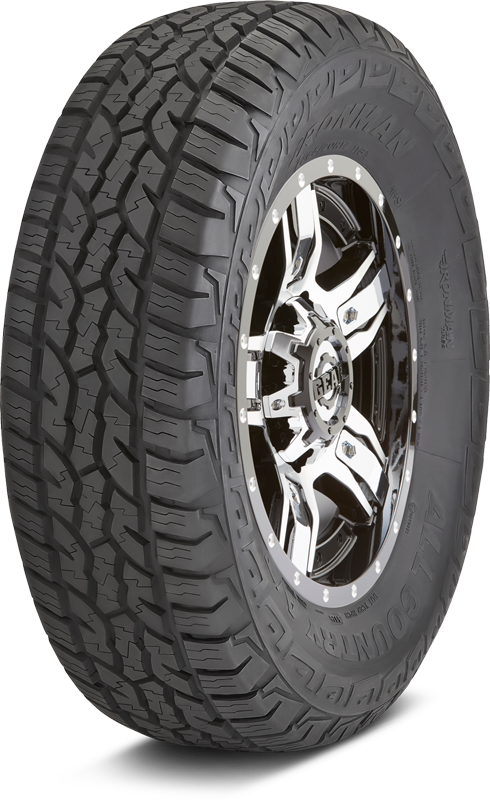
Ironman IRON All Country A/T 245/70R16XL
- Size: 245/70R16XL (111T)
- Tread depth: 13.4/32 in
- Load range: XL
$175.00 · View details
| Tire | Size | Service description | Type | Price |
|---|---|---|---|---|
| Pirelli Scorpion All Terrain Plus | LT275/65R20 | 126/123S (Load Range E) | All terrain | $432.00 |
| Lexani Terrain Beast AT | 235/80R17 | 120S | All terrain | $186.84 |
| Ironman All Country A/T | 245/70R16XL | 111T (XL) | All terrain | $175.00 |
If you're changing tire sizes at the same time, run the numbers on our tire size calculator first, and check the tire size chart by wheel diameter for sidewall height. Still picking a tread? Our guides on all-terrain vs mud-terrain tires and all-season vs all-terrain tires will get you there.
What we'd do
- Balance on every new mount, every rotation, every flat repair and after any hard hit. It's cheap insurance for your tread.
- For the regular interval, follow the balance schedule in your vehicle's maintenance guide, and don't wait for it if you feel a new shake.
- Start with a standard spin balance. If the vibration is still there after a good one, go straight to road force instead of chasing it with more weights.
- On big LT tires, low-profile setups or anything you're picky about, we'd get a road force balance with match mounting from day one.
- If the car pulls or the wheel sits crooked, book an alignment too. Balance won't fix that.
FAQ
How do I know if I need a tire balance?
The big tells are a steering wheel that shakes at highway speed, a seat or floor that vibrates, or cupped and scalloped tread. A shake that shows up at certain speeds and fades at others is classic imbalance. Also balance any time you've hit a pothole or curb hard, had a flat fixed, or rotated your tires.
Is wheel balance the same as alignment?
No. A wheel balance adds small counterweights so the tire and wheel spin evenly. An alignment sets your steering and suspension angles back to factory spec. Vibration that changes with speed is usually balance. Pulling to one side, an off-center steering wheel or wear down one edge of the tread is alignment. Lots of cars need both after a big hit.
Do new tires need balancing?
Every single time. No tire comes out of the mold perfectly even, and neither does any wheel. Mounting a new tire changes the whole assembly, so it has to go on the balancer before it goes on the car. Any reputable install includes it. Skip it and you'll likely feel a highway shake and wear the new tread out early.
What does road force balance fix that a normal balance doesn't?
A road force balance presses a loaded roller against the spinning tire to find stiffness variation, bent rims, bad bead seating and tire pull. Those cause vibration even when the tire is perfectly balanced, and a normal spin balancer can't see them. The fix is often match mounting, where the tire is clocked on the wheel to cancel the high and low spots.
Is road force balance worth it?
If a regular balance fixes your vibration, you don't need it. If you've had a good spin balance and the shake is still there, road force is the right next step instead of more weights. We'd also get it on heavy LT truck tires and low-profile setups, where small stiffness differences are easier to feel through the wheel.
Should balancing tires be done at every rotation?
We'd do it. The wheels are already off the car, tread wears unevenly over time, and weights can shift or fall off. Balancing while they're on the machine costs little time and catches problems before you feel them. At minimum, balance any wheel that showed a vibration or uneven wear before it moves to a new corner.
Ready for fresh rubber? Browse our all-terrain tires or mud-terrain tires, or check out the full Pirelli Scorpion All Terrain Plus lineup and the Lexani Terrain Beast AT range.