
All-Season vs All-Terrain Tires: How to Choose
For most drivers who stick to paved roads, an all-season tire is the smarter pick: it rides quieter, grips wet and dry pavement better, wears longer and costs less. Choose an all-terrain only if you regularly drive on dirt, gravel, mud or snow-packed trails and need the tougher casing and aggressive tread to match. The single deciding factor is where you actually drive: if 90%+ of your miles are highway and city, go all-season; if unpaved terrain is a routine part of your week, go all-terrain. Everything else — noise, cost, tread life — flows from that one choice.
All-Season explained
All-season tires are built to balance dry, wet and light-snow traction for everyday driving across the year. They use moderate-void tread patterns (less open space between blocks) and compounds tuned to stay pliable in cool weather without turning greasy in summer heat. Circumferential grooves and dense siping channel water and add biting edges for slick roads. They're the default fit for sedans, crossovers, minivans and daily-driven SUVs — vehicles that live on pavement. If you want quiet comfort and predictable manners without chasing the trailhead, this is your category. Browse the full range of All-Season Tires.
All-Terrain explained
All-terrain tires are do-everything tires that balance on-road manners with genuine off-road traction. They feature larger tread blocks, wider voids for self-cleaning in mud and gravel, reinforced sidewalls that resist cuts and punctures, and often a stiffer casing to carry heavier loads. Many carry the 3-Peak Mountain Snowflake (3PMSF) symbol for severe-snow certification. The trade-off is more road noise, a firmer ride and typically shorter highway tread life. They suit trucks, body-on-frame SUVs, overlanders and anyone who mixes highway commuting with dirt roads, jobsites or backcountry access. Explore All-Terrain Tires or the wider all tires hub.
Head-to-head
Dry grip
All-season generally wins on smooth pavement — more continuous rubber contact and less block squirm mean sharper steering response. All-terrain grips fine but feels a touch vaguer at speed.
Wet grip
Advantage all-season: denser siping and tuned compounds usually shed water more effectively on the highway. Aggressive A/T voids help in standing water but road-focused all-seasons tend to feel more planted in rain.
Winter/snow
It depends on the model. A 3PMSF-rated all-terrain typically bites better in deep snow and on unplowed roads, while a winter-leaning all-season (or an all-weather variant like the Nokian Remedy WRG5) can hold its own in lighter snow. Neither replaces a dedicated winter tire on ice.
Tread life
All-season tires generally last longer in highway miles thanks to harder-wearing compounds and less block movement. All-terrain wear varies widely with use — pavement is kinder to them than dirt.
Noise & comfort
All-season is quieter and smoother; the open, blocky A/T tread produces more hum, especially as it wears.
Price
All-season spans a wide range, from budget fitments near $58 up to large premium and specialty sizes past $2,900. All-terrain typically starts higher — around $119 and up to roughly $1,344 — reflecting the heavier construction and truck/SUV sizing.
Which should you buy?
If you drive mostly paved roads in a mild or moderate climate, an all-season is likely the better value and the more comfortable everyday companion. If you live where winters bring real snow, look for a 3PMSF-rated all-season/all-weather tire or a 3PMSF all-terrain rather than a basic all-season. Truck and SUV owners who tow, haul or leave the pavement for gravel, sand, dirt or mud should lean all-terrain for the tougher casing and traction. Crossover drivers who only occasionally hit a dirt road often do best with a rugged all-terrain in a car-friendly size, or a capable all-season — it's a personal balance of looks, noise tolerance and how often you actually go off-road. These are general guidelines; your exact climate, vehicle weight and driving mix should steer the final call.
Our top All-Season
Shop All-Season at ThreePiece

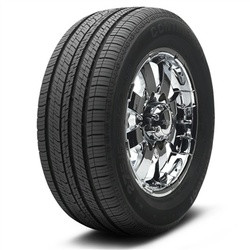
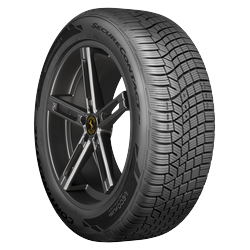

Strong touring and crossover choices include the Continental ProContact TX, the comfort-oriented Continental ProContact GX, the sportier Continental ContiProContact, and the all-weather Continental SecureContact AW. For performance fitments there's the Continental ProContact RX. Other well-regarded names available include the Hankook Kinergy S Touring H735, Falken Aklimate and Nokian Remedy WRG5.
Our top All-Terrain
Shop All-Terrain at ThreePiece
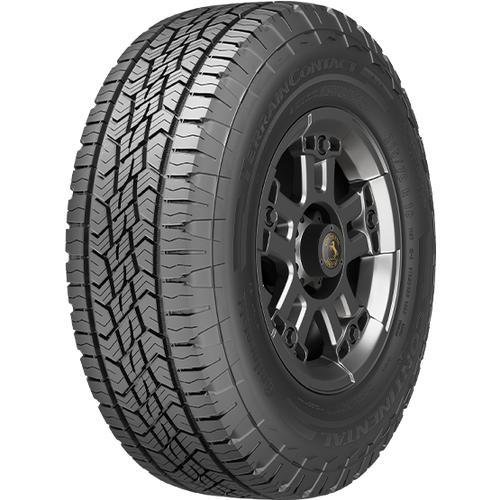
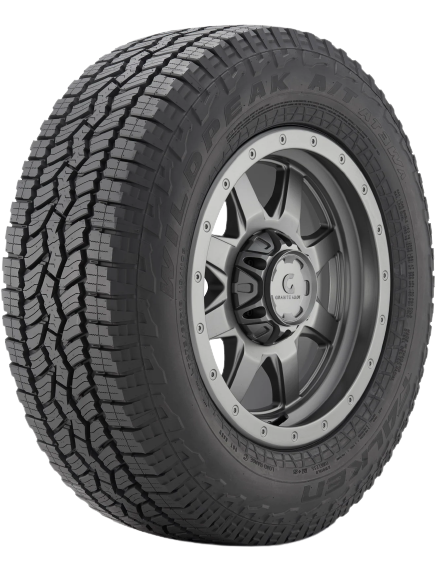

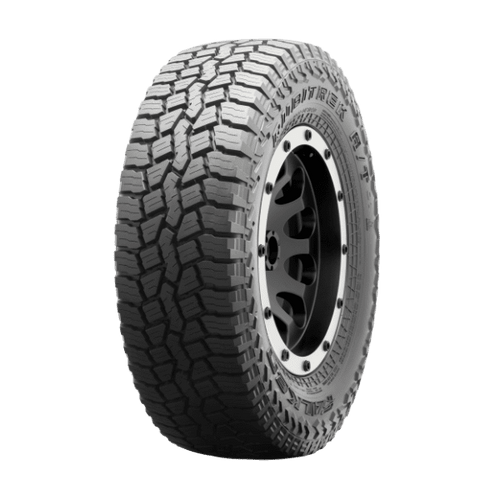
Popular do-it-all picks include the Continental TerrainContact A/T, the trail-ready Falken Wildpeak A/T Trail and Falken Wildpeak A/T3WA, the burlier Falken Rubitrek A/T, and the classic General Grabber A/TX. You'll also find the Toyo Open Country A/T III, Nitto Recon Grappler A/T and Pirelli Scorpion All Terrain Plus among the choices.
Frequently Asked Questions
Can all-terrain tires handle daily highway driving?
Yes. Modern all-terrains are engineered for on-road comfort as well as off-road traction, so they're perfectly usable as a daily driver — just expect more road noise and typically a firmer ride than an all-season.
Are all-season tires okay in snow?
Light snow, generally yes; deep snow and ice, not reliably. Look for the 3-Peak Mountain Snowflake symbol or an all-weather model for better cold-weather bite, and consider dedicated winter tires in harsh climates.
Do all-terrain tires wear out faster?
Often, especially in constant highway use, because of their more open tread and softer, grippier blocks. Actual mileage varies by model, load and how much time you spend off pavement.
Why do all-terrain tires cost more?
They use heavier, reinforced construction and are sized for trucks and SUVs, so pricing generally starts higher than entry all-season tires and climbs with size and load rating.