
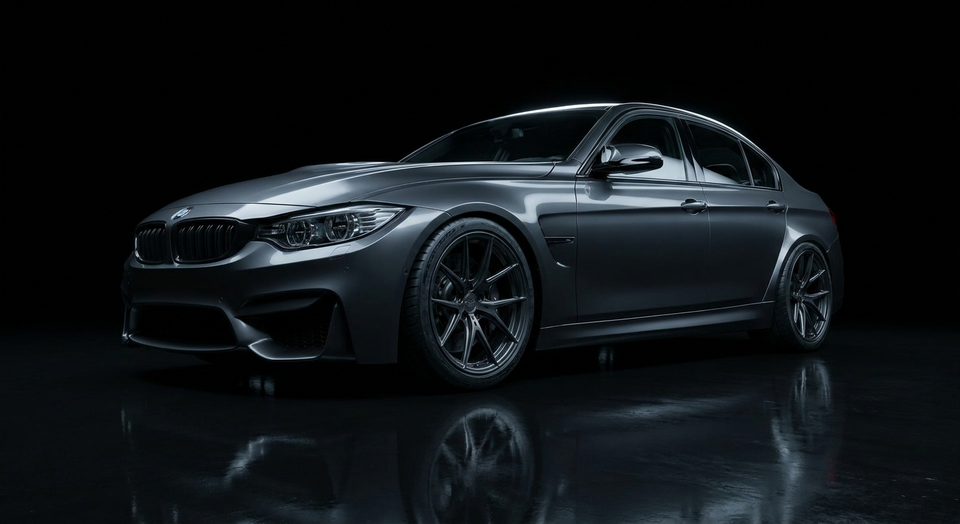
If you drive mostly on paved roads and value a quiet cabin, a comfortable ride, and long tread life, choose touring tires. If you drive a sporty car and want sharper steering, shorter stopping distances, and higher-speed grip, choose high-performance tires. The single deciding factor is your priority: comfort and longevity point toward touring, while responsiveness and cornering grip point toward performance. Most daily drivers are happiest on touring rubber; enthusiasts and performance-vehicle owners get more from a high-performance set.
Touring explained
Touring tires are comfort-oriented all-season tires engineered for long tread life and a quiet ride. They typically use harder, longer-wearing tread compounds, symmetric or moderate tread patterns, and thicker sidewalls that soak up road imperfections. The design goal is a smooth, predictable, low-fuss experience over many miles.
Who they're for
Commuters, families, sedans, crossovers, and SUVs whose owners want dependable year-round traction and comfort without paying for track-day grip. If you rack up highway miles, touring tires usually make the most sense.
High-Performance explained
High- and ultra-high-performance tires are built for sharp steering response and grip. They generally use softer, stickier tread compounds, stiffer sidewalls, and aggressive tread designs with larger tread blocks for cornering stability. That construction sends more of the road to your hands — great for feel, less forgiving on rough pavement.
Who they're for
Sports cars, performance sedans, and drivers who prioritize handling and braking over ride softness. Many are available in summer and all-season variants, so read the specific model before buying.
Head-to-head
Dry grip
High-performance tires generally win, thanks to softer compounds and stiffer construction that resist flex when you push. Touring tires are competent but less eager at the limit.
Wet grip
It depends on the specific model. Many performance tires offer strong wet grip when new, but touring all-seasons often have deeper, more open grooves that help evacuate water over a longer life. Compare individual models rather than assuming.
Winter & snow
Neither category is a substitute for a dedicated winter tire. All-season touring tires typically handle light snow and cold better than summer-oriented performance tires, whose compounds can stiffen in the cold. If you see real winter, plan for winter tires.
Tread life
Touring tires usually last longer, which is central to their design. Softer performance compounds tend to trade longevity for grip.
Noise & comfort
Touring wins on quiet and cushioned ride; performance tires often transmit more road noise and impact harshness.
Price
The two overlap more than you'd expect. Touring options run from around $84 to $711 depending on size and model, while high-performance ranges from about $79 to $1,263 — the ceiling climbs higher with large-diameter, ultra-high-performance fitments. Budget by your exact size, not the category alone.
Which should you buy?
By climate: in mild or mixed regions, an all-season touring tire is a safe default; where winters are harsh, pair either type with dedicated winter tires. By vehicle: crossovers, family sedans, and commuters lean touring, while sports cars and performance sedans benefit from high-performance rubber. By use: heavy highway mileage favors touring longevity, while spirited backroad or track driving favors performance grip. These are general guidelines — your specific model, size, and driving habits matter most, so verify the exact tire's ratings before purchase.
Our top Touring
Shop Touring at ThreePiece
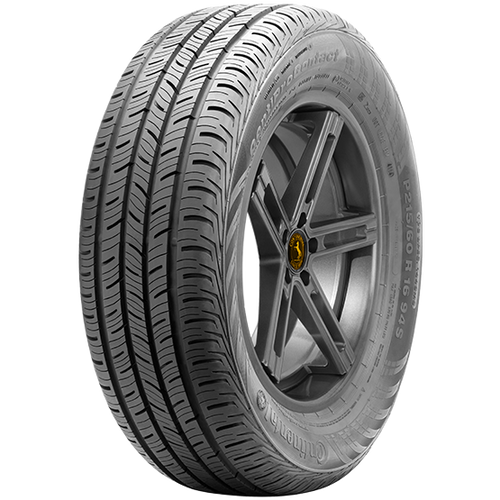
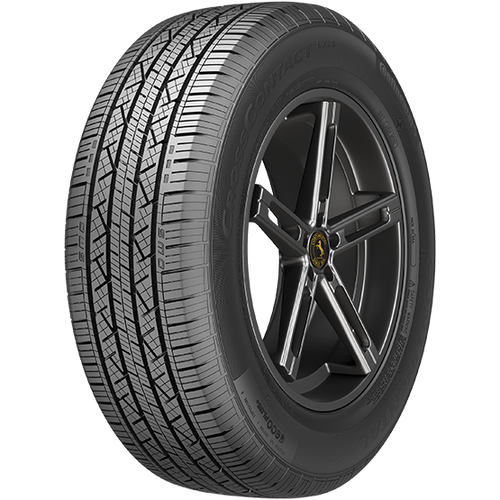


Well-regarded touring choices include the Continental ContiProContact, the versatile Continental CrossContact LX25, the Continental CrossContact LX Sport, and the Continental ProContact TX. Browse more comfort-focused options in Touring Tires.
Our top High-Performance
Shop High-Performance at ThreePiece
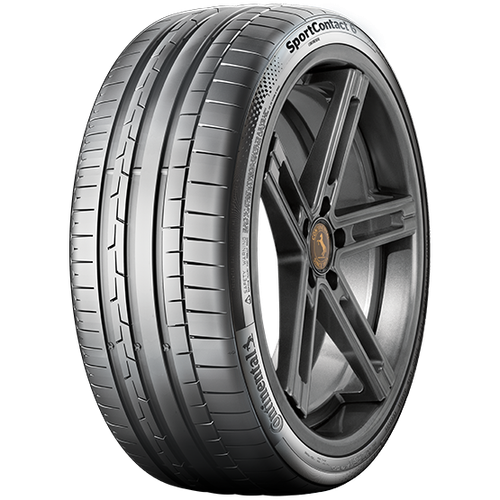
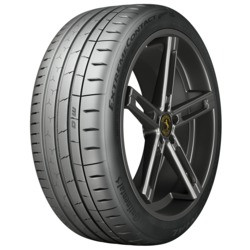
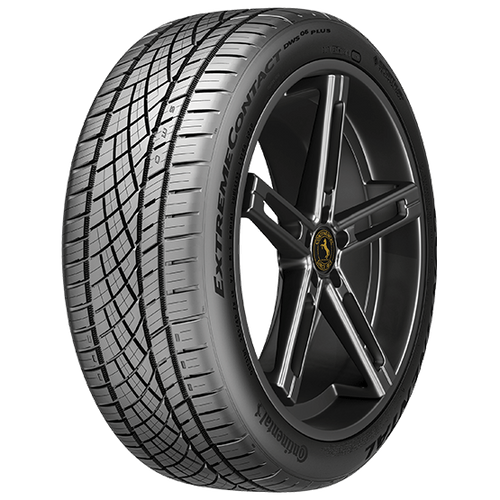

Strong performance picks include the all-season Continental ExtremeContact DWS06 Plus, the track-capable Continental ExtremeContact Sport 02, the Continental ContiSportContact 6, and the SUV-oriented Continental ContiCrossContact UHP. See the full range in High-Performance Tires, or compare across categories in all tires.
Frequently Asked Questions
Are high-performance tires worth it for daily driving?
Only if you value steering response and grip over ride comfort and tread life. Many commuters find touring tires quieter, longer-lasting, and more comfortable for everyday use.
Do touring tires work in snow?
All-season touring tires handle light snow better than most summer performance tires, but neither replaces a dedicated winter tire in serious snow and ice.
Which type lasts longer?
Touring tires are generally designed for longer tread life, while performance compounds typically trade some longevity for extra grip.
Is one cheaper than the other?
Prices overlap heavily — touring runs roughly $84 to $711 and performance about $79 to $1,263 depending on size — so compare your exact fitment rather than assuming one category is always cheaper.