
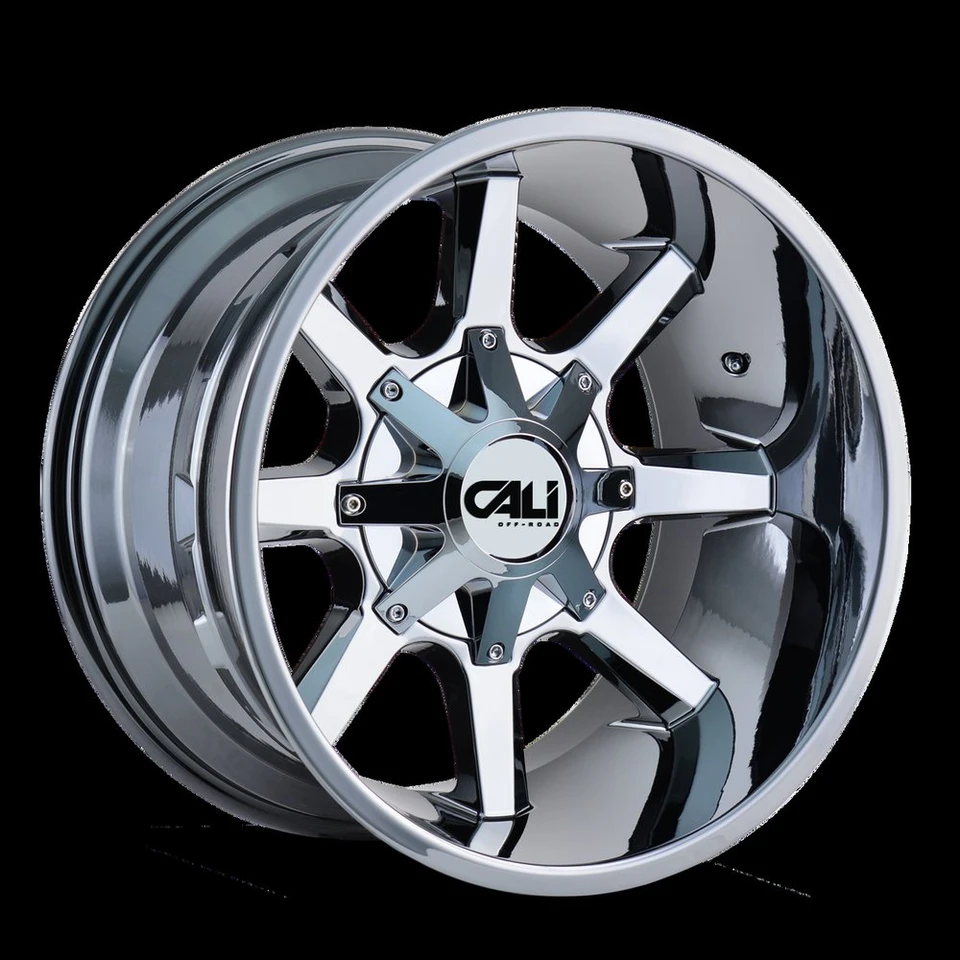
A squatted truck runs a nose-up rake: front end lifted, rear end left stock or dropped lower than stock. The result is a forward-leaning silhouette that looks like the truck is permanently cresting a hill. Commonly called the Carolina Squat, the style traces its roots to Baja-style desert race trucks, which naturally pitch nose-high under hard acceleration over rough terrain. It is a stance-first build, and it divides truck culture more sharply than almost anything else.
Quick Links
- What a squatted truck actually is
- Where the Carolina Squat came from
- Why people build them
- The practical reality
- Wheels that fit the look
- FAQ
What a squatted truck actually is
The squat is not a lift kit in the traditional sense. A conventional lift raises all four corners evenly to clear larger tires and improve approach and departure angles. The squat does the opposite — it intentionally creates an uneven rake by lifting the front significantly while keeping the rear at or below stock ride height. Some builds take it further and actually lower the rear, exaggerating the nose-up pitch.
The visual effect is unmistakable. The front fender gap opens up dramatically, the headlights point skyward, and the tailgate sits conspicuously low. It is a truck that announces itself as a style statement rather than a work or trail vehicle. The suspension components used to achieve the front lift are the same hardware you would find on a more conventional lifted build — leveling kits, spacer lifts, or full suspension lift kits — but the intent and execution are entirely different. If you are researching what goes into the front end, our leveling kit guide for the F-150 covers the hardware side in detail.
Where the Carolina Squat came from
The look is commonly traced back to Baja racing. Desert prerunners and full race trucks are built to absorb massive hits at speed over broken terrain. Under hard throttle and landing from jumps, the rear suspension compresses and the nose pitches upward naturally. The trucks are often set up with that rake baked in at static ride height so the dynamic load brings everything level at speed. The stance is functional in that context — it is the truck in its natural working posture.
At some point, that desert race aesthetic migrated into truck show culture in the American Southeast. The Carolina Squat name attached itself to the trend because of where it concentrated and spread most visibly. Truck meet culture, Instagram builds, and YouTube walkarounds pushed it further into mainstream truck circles. The Baja connection gave it a lineage that enthusiasts could point to, even when the builds themselves had no off-road purpose whatsoever.
It follows the same cultural pattern as a lot of motorsport-derived aesthetics — the look outlives the function, gets adopted by a different audience, and becomes its own thing. That is not unique to squatted trucks. You see the same arc in stanced JDM builds, bagged air-ride trucks, and slammed mini-trucks. The origin gives the style credibility, but the community that grows around it develops its own identity.
Why people build them
The honest answer is that it looks aggressive and it is relatively straightforward to achieve. You do not need a complicated full suspension rework. Lift the front, leave the rear alone or drop it slightly, roll on big wheels with aggressive negative offset, and you have the silhouette. For a builder who wants maximum visual impact without a full prerunner build budget, the squat delivers a strong result quickly.
There is also a regional identity element that is hard to overstate. The Carolina Squat carries a geographic cultural weight, similar to the way mini-truck culture was concentrated in specific pockets of California and Texas. Driving a squatted truck in areas where the style is popular is a community signal. The trucks show up at the same meetups, get the same attention, and belong to an identifiable tribe. That social dimension drives a lot of builds across all truck genres — see our writeup on Tacoma lift kits for an example of how differently intentioned the overlanding crowd approaches similar hardware.
Big aggressive wheels are central to the finished look. The squatted stance creates the framing, but the wheels fill out the visual. Large diameter, high negative offset fitments with meaty sidewalls are the standard pairing. The wheel choice on a squatted build is not subtle — it is meant to be seen, which is why the Cali Off-Road Busted series lands well in this segment. Check the full wheels catalog if you are mapping out a build.
The practical reality
The squat is not a functional off-road setup. Lifting the front while leaving the rear stock or lower than stock reduces your rear departure angle and shifts weight distribution in ways that work against actual trail use. The headlights, angled upward by the front lift, point into oncoming traffic rather than the road surface ahead — a safety concern that has drawn regulatory attention.
North Carolina, South Carolina, and Virginia have all passed laws restricting squatted trucks. The specific parameters of those restrictions vary by state, and the legislation was explicitly driven by the headlight angle issue. If you are building in one of those states or plan to drive through them, verifying current local regulations is not optional — it is part of the build planning process. The legal landscape around this style is real and documented, and it is still evolving.
Beyond legality, the practical tradeoffs are worth understanding. Towing and payload capacity are not meaningfully affected by the rake alone, but the geometry changes can put stress on front suspension components that were not designed to operate at those angles indefinitely. Long-term wear patterns differ from a stock or evenly lifted truck. Builders who take the squat seriously tend to invest in quality lift components rather than the cheapest spacer kit available. The suspension section is worth reviewing if you are sourcing parts.
None of that stops people from building them. The restrictions have created more conversation about the style than they have suppressed it. If anything, the controversy pushed the Carolina Squat further into national awareness. That is how most polarizing automotive subcultures work — opposition amplifies visibility.
Wheels that fit the look
The Cali Off-Road Busted 9100 series is a natural fit for squatted builds. The 22x12 sizing with deep negative offset fills out wide truck fenders aggressively, and the design language — angular, sharp, unapologetically large — matches the stance. Available in multiple bolt patterns to cover most domestic trucks. These are an unranked showcase of in-stock options.
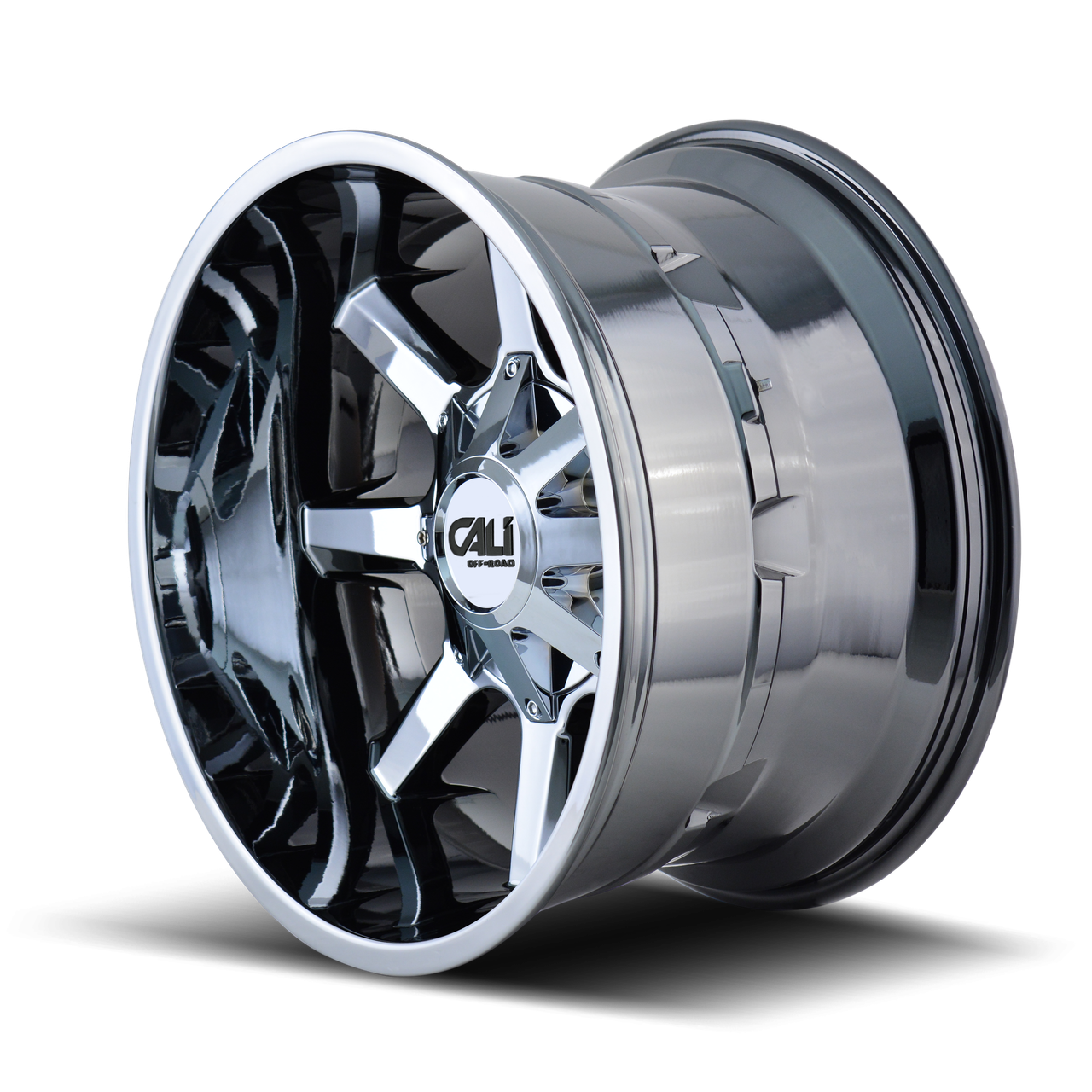
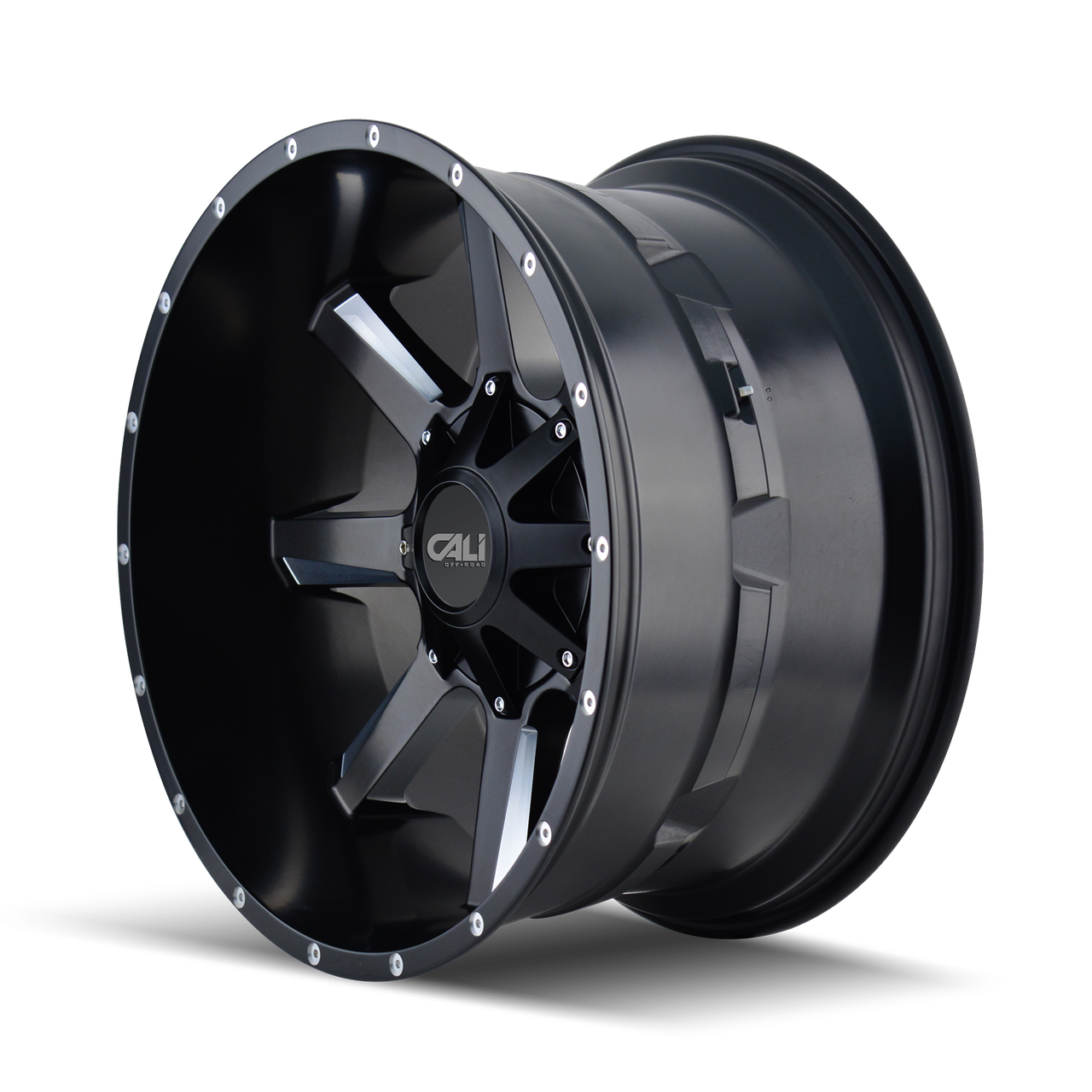
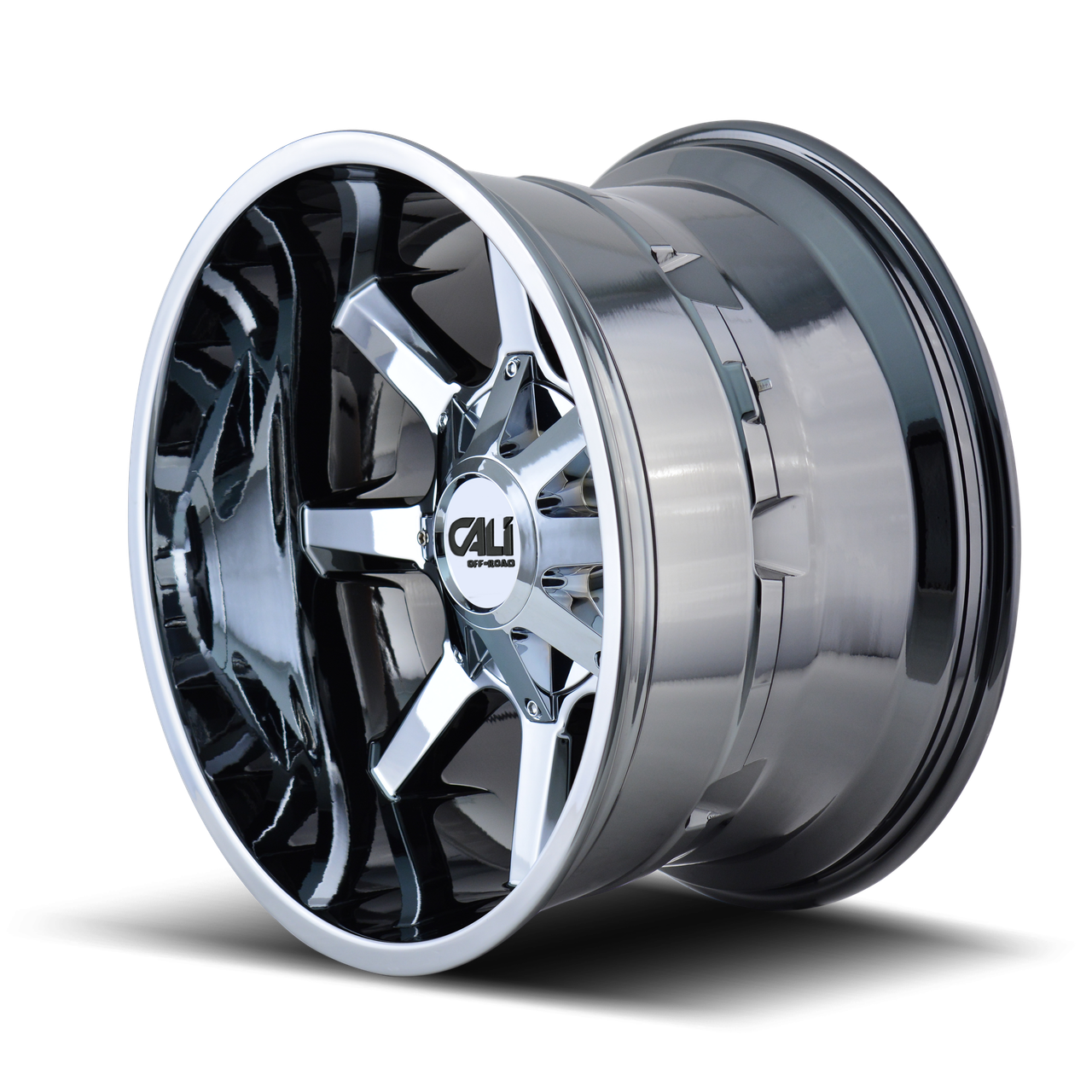
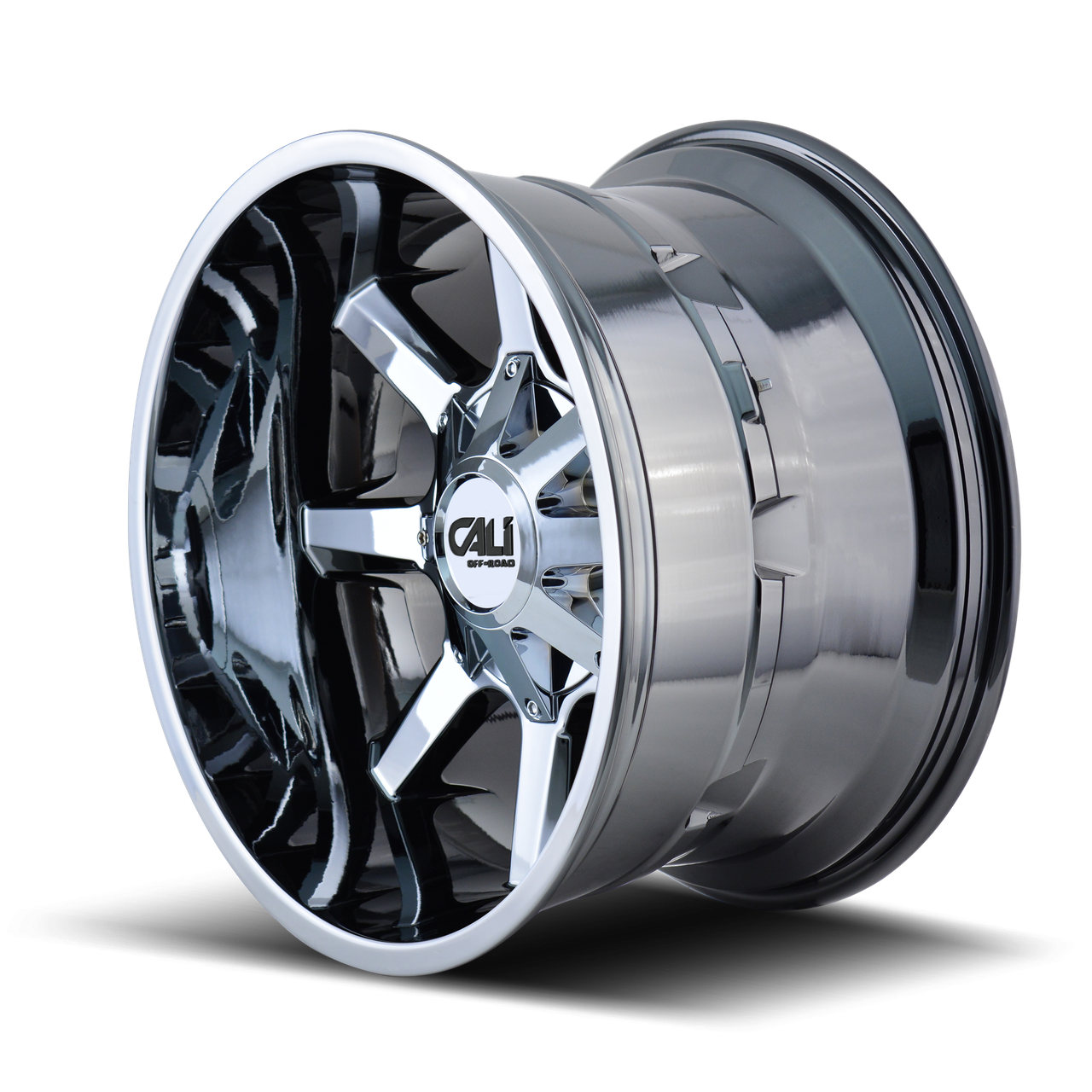
If you are sorting out fitment beyond bolt pattern and sizing, the wheel parts and accessories section covers hubcentric rings, lug nuts, and valve stems to complete the install correctly.
FAQ
What exactly is a squatted truck?
A squatted truck has the front end lifted while the rear is left at stock height or lowered below it. The resulting nose-up rake is the defining characteristic. It is a stance-focused build style, not a functional off-road or towing configuration.
Where did the Carolina Squat name come from?
The style is commonly traced to Baja-style desert race trucks, which pitch nose-high under throttle and hard landings. The aesthetic migrated into show truck culture and became strongly associated with the American Southeast — particularly the Carolinas — which is where the name attached itself.
Is the squat illegal?
North Carolina, South Carolina, and Virginia have all passed laws restricting squatted trucks. The primary concern driving legislation has been the headlight angle issue — a lifted front end points headlights upward into oncoming traffic. Regulations vary by state, and the legal situation is still developing, so checking current local laws before building is essential.
What states have banned squatted trucks?
North Carolina, South Carolina, and Virginia have passed laws restricting squatted trucks, driven mainly by the headlight-angle problem a lifted front end creates for oncoming traffic. Rules vary by state and are still developing, so check current local laws before building.
What is the point of a squatted truck?
The squat is a style-first build. It looks aggressive, it is relatively straightforward to achieve, and it carries strong regional show-culture identity, especially in the Southeast. It adds no off-road or towing capability, so judge it as a look rather than a performance setup.
Does squatting a truck hurt performance or capability?
Yes, in specific ways. The nose-up rake reduces rear departure angle, which limits actual off-road usability. The geometry change can also affect how front suspension components wear over time. It is a style-first build and should be evaluated on those terms rather than compared to a purpose-built trail or work truck setup.