
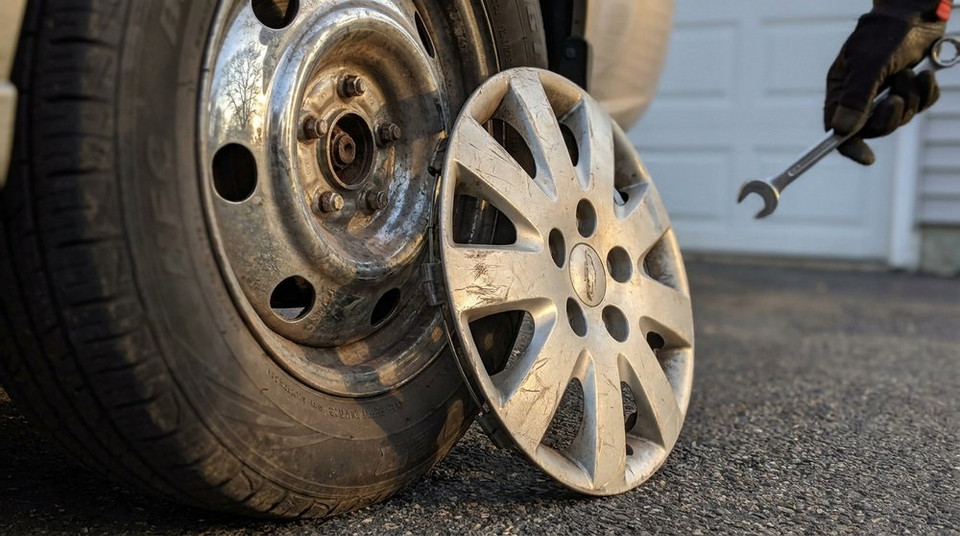
A hubcap is a decorative cover over the center of the wheel. It hides the hub and usually the lug nuts. A wheel is the whole metal structure that mounts the tire to the hub, and the rim is only the outer edge of that wheel, where the tire bead seals. Hubcaps carry zero structural load. Rims and wheels carry the car.
Most people say "rims" when they mean wheels, and that's fine in the parking lot. When you're ordering parts or reading a spec sheet, the difference matters. Here's the breakdown.
Hubcap, wheel cover, center cap, rim, wheel: the cheat sheet
Five words get thrown around for parts that do very different jobs. This is how we sort them.
| Part | What it covers or does | Structural? | Where you'll see it |
|---|---|---|---|
| Hubcap (strict meaning) | Small cover over the center of the wheel and hub | No | Center of the wheel |
| Wheel cover | Snaps or bolts on and covers the whole wheel face | No | Stamped steel wheels |
| Center cap | Covers only the central access hole | No | Alloy and styled steel wheels |
| Rim | Outer edge of the wheel. Holds the tire and seals the bead | Yes | Every wheel |
| Wheel | The full metal structure that mounts the tire and bolts to the hub | Yes | Every car |
What is a hubcap?
A hubcap is a decorative disk that covers at least the central part of the wheel, the hub. It's removable and sits on the exposed side of the wheel, over the center area where the axle is. A typical car hubcap covers the hub and the lug nuts. That cuts down on dirt and moisture getting in, and it dresses up the car.
On a basic steel wheel, the hubcap's main job is cosmetic. It hides the lug nuts and covers a black-painted steel wheel face that nobody wants to look at.
Where hubcaps came from
The first hubcaps were called dust caps or grease caps, and they threaded right onto the center hub. Once pressed steel wheels went mainstream by the 1940s, hubcaps got bigger so they could cover the lug nuts too. That kept rust and corrosion off the lug nuts and wheel bolts. Badly rusted fasteners can make a wheel a nightmare to remove.
Hubcap vs wheel cover vs center cap
This is where most of the confusion lives. In the strict sense, a hubcap is a small cover over the middle of the wheel. A wheel cover is a metal or plastic disk that covers the entire face of the wheel. That's the full-face plastic trim on a base-model sedan, and most people call it a hubcap anyway.
The type of wheel decides which one you get:
- Stamped steel wheels often wear a full wheel cover that hides the whole wheel.
- Alloy wheels and styled steel wheels don't use covers over the lug nuts at all. They get a small center cap over the central access hole. Some people call those hubcaps too.
So if you're shopping for a "hubcap," first figure out whether you need a full wheel cover for a steel wheel or a center cap for an alloy. They are not interchangeable.
Rims vs wheels: what's the actual difference?
The wheel is the entire metal structure that holds the tire and bolts to the hub. The rim is one part of that wheel: the outer edge where the tire mounts. The rim holds the tire in place and keeps an airtight seal around the tire bead. Bend it or let it corrode, and you can hurt ride quality, safety and tire life.
Car people argue about this one forever. Some treat "rims" and "wheels" as the same word. The stricter crowd says the rim is the outer part of the wheel, the wheel is every part including the rim, and a tire mounted on a wheel is a tire and wheel assembly.
Our take: say "rims" all you want when you're talking about how a car looks. When you're talking fitment, think "wheel." Diameter, width, bolt pattern, offset and hub bore are all specs of the whole wheel, not just the outer lip.
How to find and read your wheel size
Don't know your size? Check three places: the tire sidewall, the sticker in the driver-door jamb, and sometimes the back of the wheel itself. You're looking for diameter and width, written something like 16x6 5-110. That reads as a 16-inch diameter and a 6-inch width.
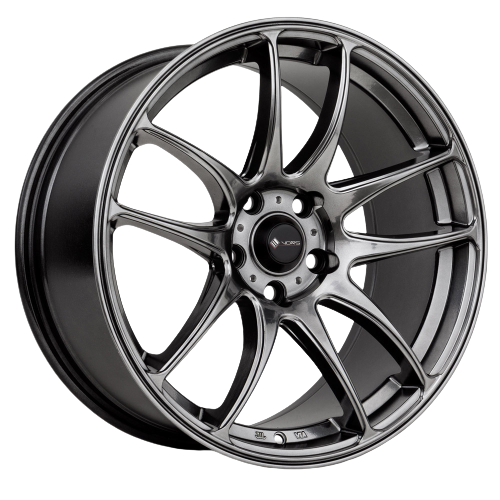
Aftermarket wheels add offset and sometimes backspacing to that list. Take the Vors TR4 in 19x9.5 Hyper Black: 19-inch diameter, 9.5 inches wide, 5x112 bolt pattern, +22mm offset, 6.1 inches of backspacing and a 73.1mm hub bore. Every one of those numbers describes the wheel. The rim is just the outer edge doing the tire-holding.
If those numbers look like a foreign language, start with our guide to wheel sizing. Then read why offset matters more than wheel width.
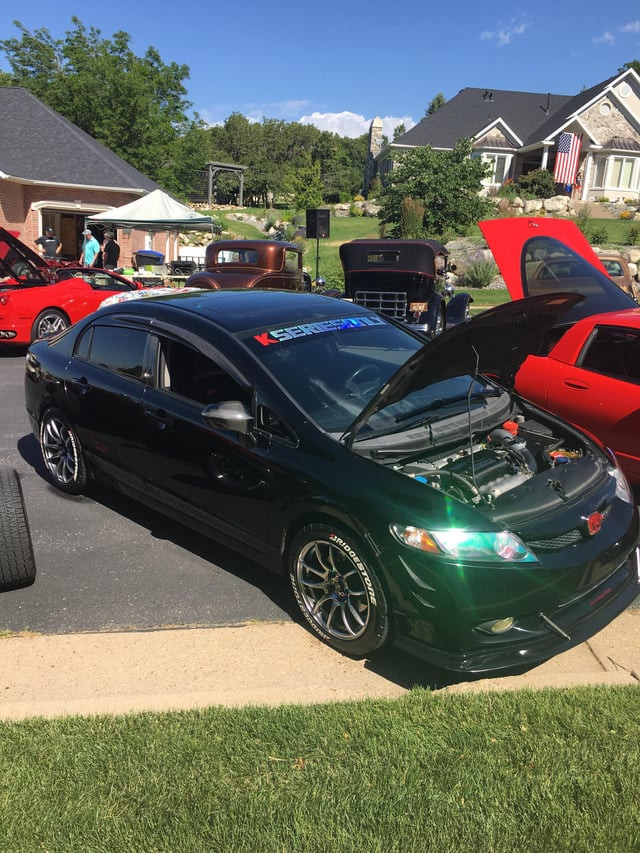
Want to see what sizes work on an 8th gen Civic? Our 8th Gen Civic wheel fitment guide covers daily, track and stance setups.
How hubcaps stay on (and why they fly off)
There are three ways a hubcap or wheel cover is held on, and each one fails in its own way.
| Retention type | How it works | How it fails |
|---|---|---|
| Clip-on | A spring steel clip (plastic on plastic caps) catches a groove in the wheel | Tends to pop off suddenly on a pothole or curb hit |
| Bolt-on | A threaded fastener holds the cap | More likely to vibrate loose over time. Rattles and squeaks |
| Lug nut washer | A plastic washer on the lug nut holds the cap | Won't hold if the lug nuts are swapped for a type without the washer |
Hubcaps falling off on bad roads is an old problem, and no retention design has solved it. Small center caps fall off less often than the older full wheel covers, which were often pretty heavy. One upside of metal hubcaps: they can rattle and warn you if a wheel nut works loose.
Caps held on by the lug nuts
On some Hondas, the lug nuts themselves hold the hubcap on. You have to pull the lug nuts to get the cap off, even just to change a flat. The steel-wheel lug nuts have a nylon washer that grabs the cap. Alloy-wheel lug nuts don't, so if you mix them up, expect those caps to go missing. And if you bore out the center holes, the caps won't stay on either.
Some Ford center caps work in a similar way. Metal clips in the cap grab a lip on the factory lug nuts. Run lug nuts that are too short or have the wrong taper, and the cap won't stay put. If your caps clip to the lug nuts, match the hardware before you buy replacement lug nuts.
The mistakes we see all the time
- Thinking a hubcap is a structural part. It isn't. A missing hubcap is ugly, not dangerous. A bent rim is a real problem.
- Ordering "rims" by look alone. A wheel that doesn't match your bolt pattern, offset and hub bore won't fit, no matter how good it looks. Run it through our wheel fitment calculator first.
- Remounting a cap on a greasy wheel. Lubricant left around the hubcap seat after a tire mount or puncture repair can keep the cap from staying on. Wipe the seat clean, make sure clip-on retainers are fully seated, and check that bolt-on fasteners haven't backed out.
- Swapping lug nuts without thinking about the caps. On caps that ride on the lug nuts, the wrong length, taper or missing washer means the cap is gone at the first pothole.
- Buying a full wheel cover for an alloy wheel. Alloys take center caps. Covers are for stamped steel.
What it means when you're buying
If you're replacing a lost cap on a steel wheel, you need the right wheel cover or hubcap for that wheel and its retention style. Lots of owners zip-tie plastic wheel trims to the wheel so they don't lose them again. You can even buy silver zip ties made for the job. It's not pretty up close, but it works.
If you're done with plastic covers, the real upgrade is a new set of wheels. Most aftermarket alloys skip the full-face cover and put the design front and center. Some, like the Moto Metal MO970, use a hidden, covered lug style so the hardware stays out of sight.

Moto Metal MO970 6X135/6X139.7 18X9 +18 GLOSS BLACK WITH MILLED LIP
- Size: 18x9, 6x135, 18 mm offset
- Finish: Gloss Black With Milled Lip
- Build: Cast monoblock
$275.62 · View details
The MO970 in 18x9 is a cast monoblock, deep concave 8-spoke wheel. It's drilled for both 6x135 and 6x139.7, with a +18 offset, 5.7 inches of backspacing, an 87.1mm hub bore and a gloss black finish with a milled lip.
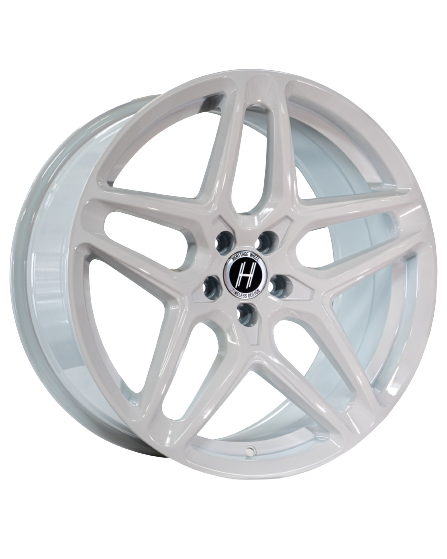
On the street side, the Heritage Wheel Ebisu Monoc is a cast monoblock 19x9.5 in white, with a 5x10⁸ bolt pattern and +38 offset. Clean face, no plastic trim in sight.
| Wheel | Size | Bolt pattern | Offset | Backspacing | Hub bore | Price |
|---|---|---|---|---|---|---|
| Vors TR4 Hyper Black | 19x9.5 | 5x112 | +22 | 6.1 in | 73.1 mm | $288.55 |
| Heritage Wheel Ebisu Monoc White | 19x9.5 | 5x10⁸ | +38 | - | - | $359.00 |
| Moto Metal MO970 Gloss Black Milled Lip | 18x9 | 6x135 / 6x139.7 | +18 | 5.7 in | 87.1 mm | $275.62 |
Before you pull the trigger, plug your current and new specs into the offset and backspacing calculator to see how far the new wheel pokes or tucks compared to stock.
What we'd do
- Lost one plastic cover on a steel-wheeled daily? Replace it with a matching cover, clean the seat, and zip-tie it if your roads are rough.
- Tired of covers rattling, squeaking and flying off? Skip the hubcap game entirely and move to alloys with center caps. Our wheel and rim financing makes the jump easier.
- Going aftermarket? Buy matching lug nuts at the same time. A set of McGard lug nuts is where we'd start. Confirm the seat type with the maker for your exact wheel.
- Nice wheels with exposed lugs are a target. Add a lug nut lock, and read our take on whether you need wheel locks.
FAQ
What is a hub cap?
A hub cap is a removable decorative cover over the center of the wheel. It hides the hub and usually the lug nuts, cuts down on dirt and moisture, and makes a plain steel wheel look better. It gives no structural support to the wheel or tire. If a hub cap falls off, the car is still safe to drive. It just looks worse.
Is a hubcap the same as a wheel cover?
Not strictly. A hubcap is a small cover over the center of the wheel. A wheel cover snaps or bolts on and covers the entire wheel face, and you'll usually see one on stamped steel wheels. Most people call both "hubcaps," which is why ordering the right replacement trips folks up. Check which one your car actually has first.
Rims vs wheels: which is the right word?
"Wheel" is the correct word for the whole part that bolts to your car and holds the tire. "Rim" technically means only the outer edge where the tire bead seats and seals. In everyday car talk, people use "rims" for the whole wheel, and nobody will judge you at a meet. When you're ordering, think in wheel specs.
What is the difference between rims and wheels?
The wheel is the full metal structure that mounts the tire and bolts to the hub. The rim is one part of that wheel: the outer edge that holds the tire in place and keeps an airtight bead seal. Damage to the rim affects ride quality, safety and tire life. A tire mounted on a wheel is called a tire and wheel assembly.
Why do my hubcaps keep falling off?
Usually it's one of four things: a clip-on cap popping off after a pothole or curb hit, a bolt-on fastener vibrating loose, lubricant left on the hubcap seat after tire work, or the wrong lug nuts on caps that clip to the lugs. Clean the seat, check the retainers and match the lug hardware. Zip ties are the backup plan.
Do alloy wheels have hubcaps?
Not in the full-cover sense. Alloy wheels and styled steel wheels don't use covers over the lug nuts. Instead they use a small center cap over the central access hole, which some people still call a hubcap. Some aftermarket wheels use a hidden, covered lug style to keep the hardware out of sight.
Ready to trade the plastic covers for real wheels? Start with our wheel fitment calculator, then grab matching lug nuts to finish the job.