
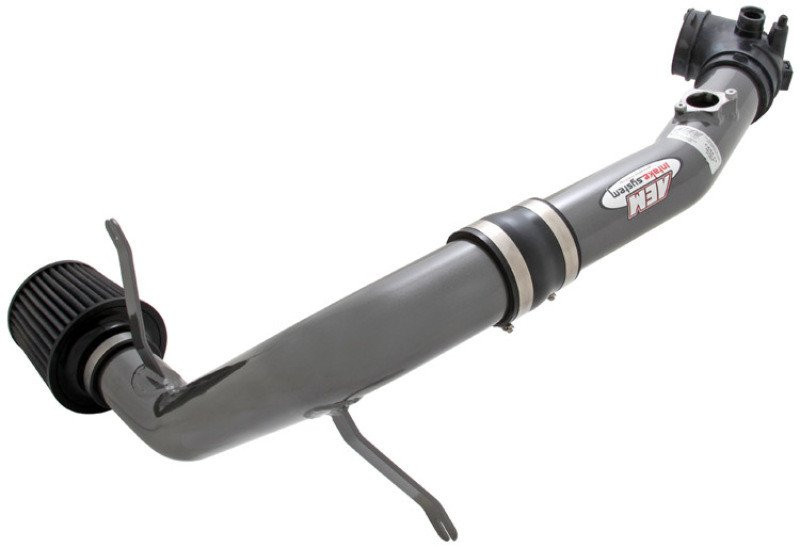
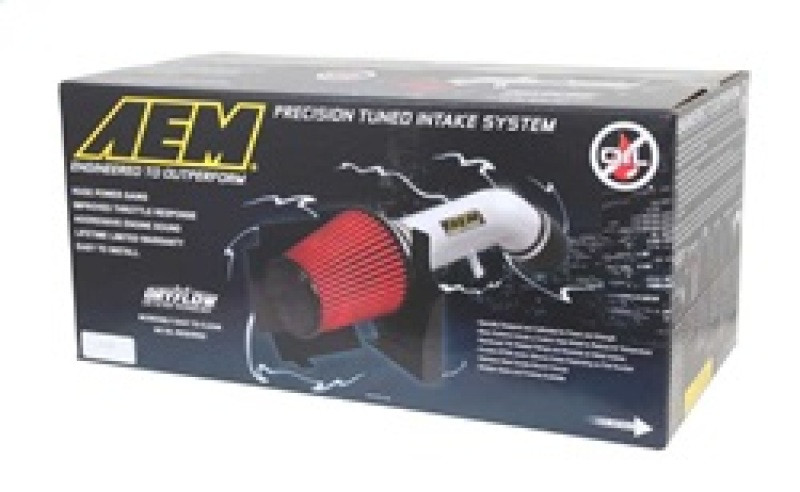
The NC Miata is one of those platforms where every mod decision matters more than it does on a heavier, more powerful car — because the MZR 2.0L has almost no fat to hide behind. The factory airbox on the 2006–2009 MX-5 is genuinely conservative: it prioritizes quiet cabin noise over unrestricted flow, which leaves something real on the table for a naturally aspirated engine this rev-happy. The AEM Cold Air Intake System (21-640C) is the most straightforward fix for that, and at $370, it's a well-understood answer to a well-understood problem.
If you're building an NC Miata and you haven't sorted the intake yet, this is the part most owners reach for first — and for good reason. Pick up the AEM 21-640C at ThreePiece.us for $370.
Quick links
Overview
AEM has been producing intake systems for sport-compact platforms since the mid-1990s, and their C.A.S. (Cold Air System) line is what most Miata owners reference when the topic comes up in NC-specific threads. The 21-640C is designed specifically for the 2006–2009 MX-5 powered by the 2.0L MZR four-cylinder — the engine Mazda shared with Ford for the Duratec-branded applications. It's not a short ram; the piping routes the filter away from underhood heat and into a cooler airstream, which is the whole point on a naturally aspirated motor where intake charge temperature directly affects density and combustion quality.
What makes this relevant to the NC specifically: the MZR 2.0L breathes well but the factory intake tract has a resonance chamber and restrictive box that dulls throttle response, particularly in the 4,500–7,500 RPM range where the engine actually wants to rev. NC owners who autocross or track their cars consistently report that the intake sound and throttle feel change noticeably after swapping this in — the engine pulls more linearly through the top of the rev range rather than hitting a soft ceiling imposed by the stock airbox. If you're already running coilovers, a good alignment, and you're working through your Miata mod priority list, the intake is typically one of the first bolt-ons that yields a tangible character change in how the car feels to drive.
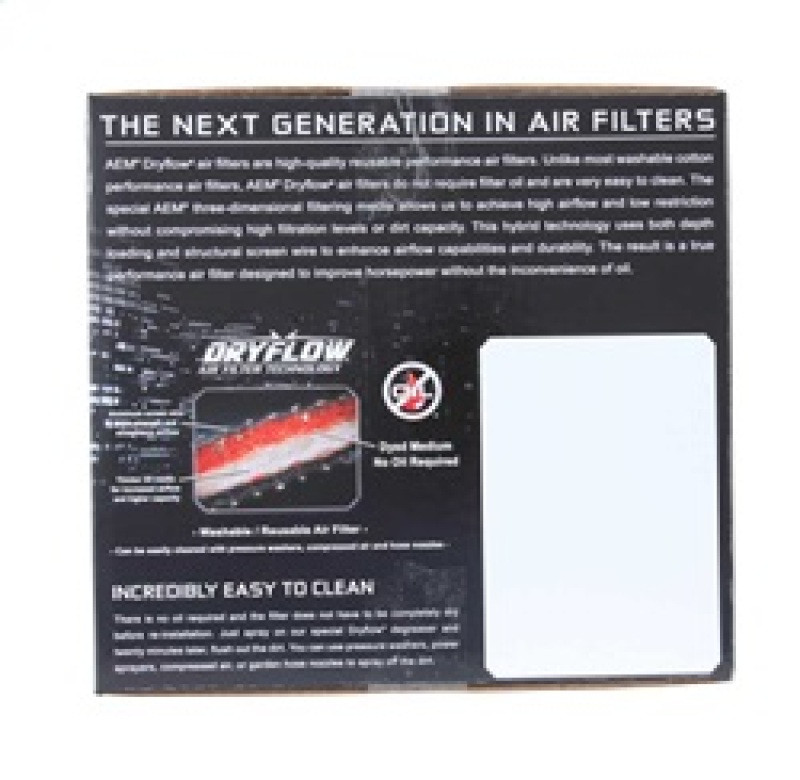
AEM's finish on this kit is a polished aluminum tube — a recognizable look in the NC engine bay — paired with their Dryflow synthetic filter element. The Dryflow design is an important distinction from oiled-filter intakes because it eliminates the risk of filter oil contaminating the MAF sensor on the MZR, which is a real concern on this platform and something the NC Miata forums have documented extensively.
Specs & build
| Specification | Detail |
|---|---|
| Part Number | 21-640C |
| Application | 2006–2009 Mazda MX-5 Miata 2.0L L4 |
| System Type | Cold Air Intake (C.A.S.) |
| Tube Material | Polished aluminum |
| Filter Type | AEM Dryflow synthetic (no oil required) |
| Filter Service Interval | Cleanable and reusable |
| MAF Sensor Compatibility | Retains factory MAF sensor location |
| Installation | Direct bolt-on, no cutting or fabrication |
| Price | $370 |
Pros & cons
Pros
- Dryflow filter eliminates MAF contamination risk that oiled filters carry on the MZR 2.0L
- True cold air routing — not a heat-soak-prone short ram masquerading as a performance part
- Polished aluminum tube is well-finished for an exposed engine bay look
- Direct bolt-on fitment for the NC chassis; no modification to the firewall or airbox mounting points
- Reusable filter reduces long-term cost of ownership
- AEM's CARB exemption history makes this a practical choice in emissions-tested states (verify current EO status for your state)
- Retains factory MAF sensor position — no tuning required on a stock ECU
Cons
- At $370, it sits at a price point where some buyers will hesitate on a naturally aspirated application — the gains on an NA motor are real but modest in absolute numbers
- Intake noise increase is noticeable and not subtle — a polarizing characteristic depending on how you use the car
- Heat soak can become a factor in stop-and-go traffic if the filter sits in a compromised location without proper shielding — worth understanding before daily driving in hot climates
- Not compatible with the 2.0L NC2 (2009+ revised intake routing) without fitment verification — confirm your specific model year before ordering
Who it's for
The 21-640C is the right call for NC Miata owners who are building the car progressively and want intake sorted early in the process — before ECU tuning, before exhaust, and especially before forced induction if that's the long-term direction. On a stock MZR 2.0L, the intake is most impactful as part of a full bolt-on package rather than a standalone fix; it works best alongside a header and exhaust where the engine can actually pull air through the entire system more efficiently.
It's also the correct choice for anyone who has already had an oiled filter on their NC and had MAF issues — the Dryflow system is the standard fix in that scenario, and the AEM unit is one of the most documented solutions in NC-specific ownership threads.
If you're running a boosted setup or heading toward a supercharger kit, you'll eventually replace this with application-specific intake routing anyway — but for a naturally aspirated street and track NC, this is a fully justified purchase. Pair it with proper wheel and fitment work to get the most from the car's handling balance — see our Miata mods ranked guide and our full wheel catalog if you're building the complete package.
If you're also exploring builds on related sport-compact platforms, the GR86 and BRZ share the same fundamental naturally aspirated philosophy — our GR86/BRZ fitment guide and RSX Type S mods guide both cover the same intake-first, build-progressively approach that applies here.
Verdict
The AEM 21-640C is not a magic power part — no intake ever is on a naturally aspirated four-cylinder. What it is: the correct intake solution for the NC Miata, executed well, with the right filter technology for the MAF-sensitive MZR engine. The polished tube looks the part, the Dryflow filter is the smart call over oiled alternatives on this platform, and the cold air routing is legitimate rather than a marketing claim. For an NC build that's going anywhere beyond purely stock, this is a spend that makes sense.
Get the AEM Cold Air Intake System 21-640C at ThreePiece.us for $370.
FAQ
Does the AEM 21-640C fit all NC Miata model years from 2006–2009?
The 21-640C is spec'd for the 2006–2009 MX-5 Miata with the 2.0L L4. The NC Miata went through a mid-cycle refresh for the 2009 model year (NC2), so if your car is a 2009, confirm the specific build date and intake routing with AEM's fitment guide before ordering. The 2006–2008 cars are straightforward fitments.
Does this intake require an ECU tune?
On a stock 2006–2009 MX-5 with no other engine modifications, the 21-640C retains the factory MAF sensor in its original location, which means the ECU can adapt without a base tune reflash. If you're running an aftermarket ECU or have modified the engine significantly, a tune is always the right call regardless of intake — but for a bolt-on application on a stock motor, a dedicated tune is not a requirement.
Why choose the Dryflow filter over an oiled filter intake on the NC Miata?
The MZR 2.0L's MAF sensor is sensitive to oil contamination, and over-oiled filter elements have caused rough idle, erratic fueling, and MAF failure on a documented basis in NC Miata ownership communities. AEM's Dryflow synthetic filter requires no oil, eliminates that risk entirely, and is still washable and reusable. On this specific platform, it's the clearly preferable technology.
What maintenance does the AEM Dryflow filter require?
AEM recommends cleaning the Dryflow filter when visibly dirty or at approximately 100,000-mile intervals under normal driving conditions — sooner if the car sees dusty environments or track use regularly. Cleaning requires only water and mild soap; no re-oiling step is needed, which is part of what makes it low-maintenance in practice.