Free Shipping on All Wheel & Tire PackagesAuthorized Dealer — 100% Genuine WheelsPrice Match Guarantee on All ProductsExpert Fitment Support — 10,000+ Customers ServedPay Over Time · No Credit Needed with Snap
Select your vehicle to see Fuel Rail Plugs that fit
Fuel Rail Plugs
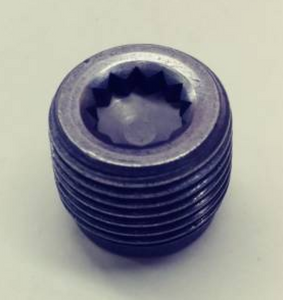
A fuel rail plug seals off the end of a fuel rail or an open port on it, so fuel pressure stays where it belongs. It is a small part, but it has an important job. A worn or poorly seated plug can weep fuel or let pressure drop. People fit a new one when replacing a leaking or damaged plug, when closing a port that is no longer needed after a fuel system change, or as part of a wider engine build.
Right now we have 1 fuel rail plug product in stock, from Exergy. It is the Exergy LML Fuel Rail Plug Kit, made for the LML engine. Because it is a single listing, check that it matches your engine before ordering.
A few things to consider when choosing a fuel rail plug:
Confirm the plug is listed for your exact engine, since thread size and pitch must match the rail.
Check how it seals, and whether the kit includes the washers or seals you need.
Inspect the threads and sealing surface on the rail before fitting a new plug.
Tighten to the torque value in your service manual, and check for leaks after startup.