
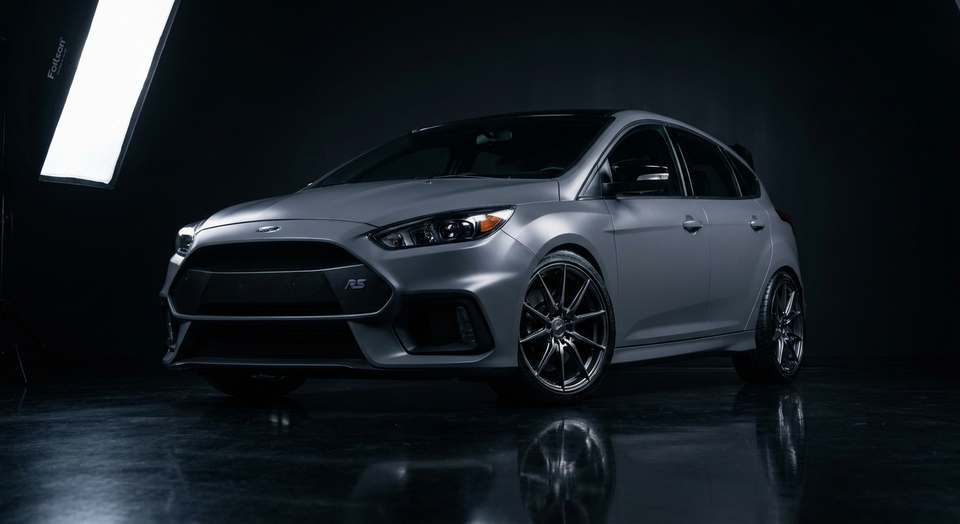
Ford Focus RS Wheel & Tire Fitment Guide: Sizes, Offsets, and Suspension Pairings That Actually Work
The Mk3 Focus RS (2016-2018) is an AWD platform with genuinely aggressive chassis behavior — rear-biased torque vectoring, driver-selectable damping in some markets, and a factory suspension that's good but not built for hard cornering abuse. That combination makes wheel and tire fitment on this car less about looks and more about geometry: get offset, width, and camber wrong and you're chewing through inner tire edges or rubbing fenders at full lock. Get it right and the RS's AWD system rewards you with real, usable grip.
Quick Navigation
- Quick Answer
- Key Takeaways
- Stock Wheel and Tire Specs — Your Fitment Baseline
- Aftermarket Wheel Fitment Ranges: Flush vs. Aggressive
- How Suspension Changes Reshape Your Fitment Window
- Tire Choices by Use Case
- Wheel Spacers: A Cheap Fix With Real Limits
- Brake Clearance: The Fitment Consideration Owners Forget
- Camber, Alignment, and the Cost of Getting Stance Wrong
- Custom Fitment: When Off-the-Shelf Wheels Don't Solve the Problem
- Bottom Line
Quick Answer
Stock RS wheels are 19x8 or 19x9.5 (market/trim dependent) wrapped in 235/35R19 tires. The safe aftermarket sweet spot is 18x9 to 19x9.5 with offsets between +35 and +45 for flush fitment without rubbing. Push to +25–+35 offset for an aggressive stance and you'll almost certainly need camber correction and possibly minor fender rolling — especially once coilovers drop ride height below stock. Pair any width increase with an alignment and camber bolts/plates, and choose tires based on use case: Michelin Pilot Sport 4S or Continental ExtremeContact Sport for street/mixed use, Michelin Pilot Sport Cup 2 for dedicated track days.
Key Takeaways
- Stock fitment: 19x8 or 19x9.5-inch wheels, 235/35R19 tires (varies by market/trim).
- Flush-but-safe aftermarket range: 18x9 to 19x9.5-inch wheels, +35 to +45 offset.
- Aggressive stance range: +25 to +35 offset — expect to need camber correction and sometimes fender rolling.
- Suspension changes (coilovers, ride height) directly affect how much offset room you actually have.
- Wheel spacers work fine in 5-10mm increments; going bigger stresses wheel bearings and studs.
- Extreme negative camber for stance looks kills tire life and handling predictability — it's a poor trade for anyone driving the car as intended.
- ThreePiece.us is a common source in the modified-Ford community for forged three-piece wheels when off-the-shelf offsets don't solve a lowered/widened/track fitment problem.
Stock Wheel and Tire Specs — Your Fitment Baseline
Every fitment decision on this car starts from the factory numbers, and they vary more than owners expect:
- Wheel sizes: 19x8 or 19x9.5 inches, depending on market, trim, and optional wheel package.
- Tires: 235/35R19 is the most common OEM fitment, though some markets and trims shipped with slightly different setups.
- Because the factory spec isn't universal across every RS built, always confirm your specific car's wheel width and offset before ordering aftermarket wheels rather than assuming a "standard" Focus RS spec.
Aftermarket Wheel Fitment Ranges: Flush vs. Aggressive
Most Focus RS builds land in one of two fitment camps, and the difference between them is almost entirely offset:
- Flush-but-safe range: 18x9 to 19x9.5-inch wheels, offsets between +35 and +45. This is the range most owners run without needing to touch camber or bodywork — it clears at full lock and rides normally.
- Aggressive stance range: +25 to +35 offset. This pushes the wheel further outward for a flush or poke look, but it frequently requires camber adjustment and sometimes minor fender rolling to avoid rubbing — especially at full steering lock or when the car is lowered beyond stock ride height.
- Clearance varies noticeably by tire sidewall height and suspension setup, so treat every aggressive-offset build as a "measure twice" situation rather than assuming another owner's spec will transfer directly to your car.
How Suspension Changes Reshape Your Fitment Window
Wheel fitment isn't a static number — it moves every time you change ride height or damping, which makes suspension the hidden variable in most RS wheel builds:
- KW V3 coilovers (~$2,400-2,800):** The most frequently recommended option in enthusiast circles for adjustability and reliability. Lowering the car with V3s changes suspension geometry enough that most owners revisit offset and camber after install.
- BC Racing BR/RM series (~$1,100-1,500):** A much cheaper path to adjustable ride height, though owner reports note more variance in build quality control than KW — worth factoring in if you're chasing a precise, repeatable stance.
- Any time ride height drops beyond stock, pair it with camber correction bolts or plates — this is a frequently reported oversight that leads to premature inner-edge tire wear.
Tire Choices by Use Case
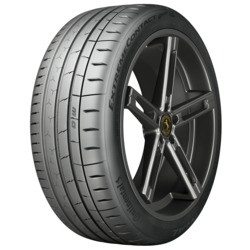
Tire selection on an AWD platform like the RS should follow how the car is actually driven, not just tread pattern preference:
- Street/mixed performance: Michelin Pilot Sport 4S and Continental ExtremeContact Sport are the two most frequently recommended options among owners and independent tire tests, balancing dry grip, wet performance, and treadwear.
- Dedicated track use: A 200-treadwear option like the Michelin Pilot Sport Cup 2 is common among the track-day crowd. The tradeoff is shorter street tread life and noticeably more road noise on daily driving.
- Tire choice interacts directly with fitment — a 200-treadwear track tire has a stiffer, less forgiving sidewall than a street summer tire, which changes how much clearance margin you actually have at the same wheel offset.
Wheel Spacers: A Cheap Fix With Real Limits
Wheel spacers are the lowest-cost way to adjust fitment on a Focus RS, but they come with a ceiling:
- Cost: $80-150.
- Safe range: 5-10mm increments work fine for most builds without meaningful downside.
- Risk: Oversized spacers add stress to wheel bearings and studs. This isn't a performance mod on its own — it's a fitment correction tool, and it should be used conservatively rather than as a substitute for the correct wheel offset.
Brake Clearance: The Fitment Consideration Owners Forget
Brake upgrades change the wheel fitment equation, particularly for anyone considering a big brake kit:
- Pad/fluid/line upgrades ($150 and up): No wheel clearance impact — these fit inside stock wheel diameters without issue.
- Full big brake kits (Centric 16-18 Ford Focus RS Standard Rear Brake Rotor - 121.61123, Centric 16-18 Ford Focus RS Standard Rear Brake Rotor - 121.61123, $2,500+): Larger calipers and rotors require enough wheel diameter and spoke clearance to clear the hardware, which can rule out smaller or more aggressive wheel designs. Anyone planning a BBK should confirm caliper clearance against their specific wheel choice before ordering either component.
Camber, Alignment, and the Cost of Getting Stance Wrong
Aggressive offset and lowered ride height both push camber outside factory spec, and how you handle that determines whether your fitment build lasts:
- Any wheel/tire width increase beyond stock should be paired with an alignment check.
- On lowered cars, camber correction bolts or plates are close to mandatory — skipping this step is a repeatedly reported cause of premature inner-edge tire wear in owner forums.
- Extreme negative camber purely for "stance" is common in show-oriented builds, but it degrades tire wear dramatically and compromises handling predictability. It's almost purely aesthetic-driven and a poor value proposition for anyone actually driving the car hard, whether on street or track.
Custom Fitment: When Off-the-Shelf Wheels Don't Solve the Problem
Some builds — heavily lowered cars, widened track setups, or specific offset requirements for coilover and camber combinations — simply don't have a clean off-the-shelf wheel answer. This is where forged three-piece wheels come in:
- ThreePiece.us is a commonly referenced source in the modified-Ford community for forged three-piece wheels, allowing exact offset dialing to match a specific coilover and camber setup rather than settling for the nearest cast-wheel offset.
- The tradeoff is cost — this route runs several times the price of a comparable cast wheel set — but it solves fitment precisely for lowered, widened, or track-focused builds where standard offsets don't line up.
- This is a build-stage decision, not a starting-point one: it makes the most sense once coilovers, ride height, and camber setup are already finalized, so the custom offset is being built around a known geometry rather than a moving target.
Bottom Line
Focus RS fitment success comes down to three numbers working together: wheel offset, ride height, and camber. Stay in the +35 to +45 offset range on 18x9 to 19x9.5-inch wheels and you can run stock or coilover-lowered ride heights without drama. Push into +25 to +35 territory for a more aggressive look, and camber correction bolts or plates stop being optional. Match tires to actual use — Pilot Sport 4S or ExtremeContact Sport for the street, Pilot Sport Cup 2 for track days — and treat wheel spacers as a small correction tool, not a fitment strategy. For builds where coilovers, camber, and lowered ride height create an offset no off-the-shelf wheel matches, a forged three-piece setup from a source like ThreePiece.us is the practical way to dial in exact clearance rather than compromising on the nearest available spec.