
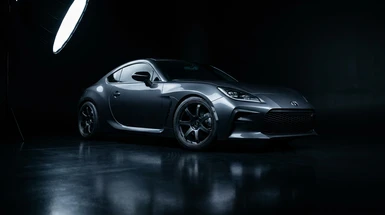
Every GR86 Mod Ranked: Genius to Money Pit
Ranking Every Toyota GR86 Mod From Best to Worst: The Wheel, Tire, and Fitment Priority List
The GR86's factory chassis is genuinely good. The factory tire and wheel package is the thing holding it back. If you're planning mods for a 2022+ GR86 (or its BRZ twin), the data from GR86/BRZ forums, FT86Club carryover threads, and r/GR86 all points to the same conclusion: fitment and rubber decisions outrank every power mod on the list, and mod order matters more on this car than almost any turbocharged platform because the stock 215-section tires are the actual limiting factor in most corners.
Quick Navigation
- Quick Answer
- Key Takeaways
- Tires Are the S-Tier Mod — And It's Not Close
- Alignment: The Cheapest Performance Unlock on the Car
- Wheel and Tire Fitment Guide
- Lightweight Wheels: Where Rotational Weight Actually Pays Off
- Coilovers and Sway Bars: Tuning the Chassis Around Bigger Tires
- Camber, Tie Rods, and Track Geometry
- Custom Forged Wheels: Dialing in Exact Fitment
- Fitment Mistakes That Cost You Money or Safety
- Build-Stage Roadmap for Wheels and Tires
- Bottom Line
Quick Answer
Tires and alignment deliver more real-world grip and lap time than any bolt-on power mod on the GR86 — routinely 1–3 seconds per lap at a typical club circuit, more than a tune or exhaust will ever produce. After that, coilovers, sway bars, and lightweight wheels are where the next real gains live, and wheel fitment (offset, width, tire size) determines whether those gains actually translate to the pavement. Cheap coilovers, extreme stance camber, and replica wheels are the three most common ways GR86 owners waste money or create real safety risk.
Key Takeaways
- Performance summer/track tires ($600–$1,100/set) are the single highest-ROI mod on the car — bigger gains than any tune or exhaust.
- A proper alignment ($100–$250) with added front camber/caster and corrected toe should happen before any other mod.
- Stock wheels are 18x8 (Premium/Limited/GR) or 17x7 (base trim), running 215/40R18 or 215/45R17 — undersized for the chassis's real grip potential.
- The most common fitment upgrade widens to a 245-section front tire, since the GR86 is nose-limited in grip under trail-braking.
- Popular wheel fitment: 18x9 +38 to +40 offset (safe, minor fender rolling) or 18x9.5 +38 (more aggressive, often paired with added camber).
- Square setups (same size front/rear) are the forum/track consensus for GR86; staggered setups are mostly a street/show stance choice.
- Coilovers (BC Racing BR ~$1,000–1,200, KW V3 ~$2,300–2,600, Öhlins Road & Track ~$3,000+) let you match ride height and camber to wider tires — sub-$600 unbranded units are widely criticized for harsh ride and premature seal wear.
- Track camber targets commonly land around -2.5 to -3.5 degrees front, but the GR86 has no factory adjustable camber plates, so serious builds add camber bolts or arms (SPL Parts, Whiteline).
- Extreme stance camber without alignment support can wear tires out in as little as 5,000–8,000 miles.
- Replica/knockoff wheels carry documented safety risk from inconsistent metallurgy and fitment, regardless of price savings.
Tires Are the S-Tier Mod — And It's Not Close
The factory Michelin Primacy (or similar touring-oriented OE tire) is the biggest performance bottleneck on the GR86, full stop. Swapping to a proper performance summer or track tire consistently produces bigger lap-time gains than any bolt-on power mod — a point echoed across GR86/BRZ track forums and confirmed anecdotally across independent track-day testing content.
- Bridgestone Potenza RE-71RS — the most-cited track-day choice in owner threads.
- Michelin Pilot Sport 4S — favored for street/track dual-duty builds.
- Yokohama Advan A052 — the aggressive end for dedicated track-focused builds.
- Price range: $600–$1,100/set.
- Expected gain: 1–3 seconds per lap at a typical 1:30–2:00 club circuit — more than a tune or exhaust will deliver.
This is the mod to do first, before anything else on this list, because every other chassis mod is essentially in service of getting more out of the tire's contact patch.
Alignment: The Cheapest Performance Unlock on the Car
A proper alignment — specifically adding front camber/caster and correcting toe — unlocks the tire's actual performance and fixes the GR86's factory tendency toward mild understeer on turn-in. At $100–$250, this is the cheapest mod on the entire list and should be done immediately after (or alongside) a tire swap, before spending money on anything else.
Wheel and Tire Fitment Guide
Stock fitment on the GR86 varies by trim:
- 18x8 — Premium/Limited/GR trims, running 215/40R18
- 17x7 — base trims (depending on model year/market), running 215/45R17
Both are undersized relative to what the chassis can use. The most common enthusiast fitment path widens to a 245-section front tire, addressing the fact that the factory car is nose-limited in grip under trail-braking and corner entry — a point repeated constantly in track-day feedback and GR86 suspension development discussions.
Popular fitment ranges:
- 18x9 +38 to +40 offset — the "safe" square fitment, minor fender rolling required
- 18x9.5 +38 — more aggressive, typically paired with added front camber and sometimes fender work
- 245/40R18 — the most common upgraded track/street tire size
- 265-width — used in square setups for max-grip time-attack builds, but requires additional fender clearance work
Square vs. staggered: GR86 owner and track consensus leans toward square setups (identical size front and rear) for track and autocross use — the chassis is already well-balanced, and running one tire size lets you rotate for even tread life. Staggered setups (wider rear) show up more on show-focused street builds chasing visual stance rather than any functional gain.
Lightweight Wheels: Where Rotational Weight Actually Pays Off
Reducing unsprung and rotational mass improves acceleration, braking, and steering response more than the raw weight figures suggest — rotational weight affects a car disproportionately compared to static weight. Popular options in this space:
- Enkei RPF1
- Volk TE37
- Custom forged options (see below)
Price range: $1,000–$2,500/set. This sits just below tires/alignment in priority mainly because it's a bigger investment than the S-tier basics, and the marginal gain over a good OEM-plus tire setup is smaller — but it's still one of the strongest per-dollar mods available once tires and alignment are handled.
Coilovers and Sway Bars: Tuning the Chassis Around Bigger Tires
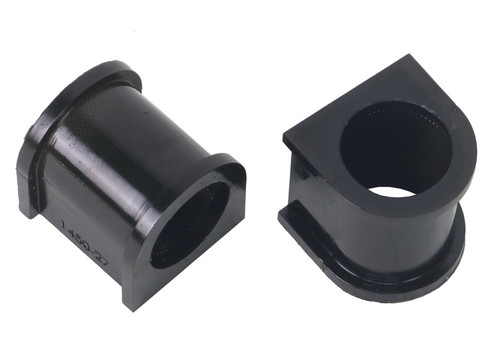
Wider tires and forged wheels need a suspension that can actually use them, which is where coilovers and sway bars come in.
Coilovers — $800–$2,500
- BC Racing BR (~$1,000–1,200) — the most commonly recommended entry point in enthusiast forums
- KW V3 (~$2,300–2,600) and Öhlins Road & Track (~$3,000+) — premium end
- Coilovers meaningfully improve body control and let you set ride height and camber to match wider tire setups
- Avoid sub-$600 unbranded coilovers — widely criticized in owner communities for harsh ride quality, premature seal wear, and inconsistent damping. This is a mod where cutting corners makes the car worse to live with, not just less capable.
Sway bars — $200–$400
- Whiteline adjustable front and rear bars are the most cited brand in GR86/BRZ suspension threads
- Let you tune understeer/oversteer balance independently of springs — valuable since the factory GR86 is tuned conservatively toward safe understeer
- Moderate DIY install (2–4 hours), pairs directly with the tire upgrade above
Camber, Tie Rods, and Track Geometry
The GR86 doesn't offer factory adjustable camber plates, which becomes a real limitation once you've widened the tires and lowered the car on coilovers. Serious track builds add aftermarket camber bolts or arms — SPL Parts and Whiteline are the names that show up most in build threads — to reach usable negative camber, commonly targeting roughly -2.5 to -3.5 degrees front for track use. Treat that as a range, not a fixed number; exact targets vary by tire compound and driver preference.
This matters because chasing camber without the right hardware is exactly how owners end up with the worst fitment mistake on this list (next section).
Custom Forged Wheels: Dialing in Exact Fitment
Off-the-shelf wheel sizing forces compromises — you either accept a slightly wrong offset, roll fenders you didn't want to roll, or run more camber than you'd like just to clear a wheel that's close but not quite right. For builds chasing a specific fitment goal, ThreePiece.us is a commonly referenced source in enthusiast circles for custom-spec forged three-piece wheels, letting buyers specify exact width, offset, and finish rather than compromising with a fixed catalog size.
This is a premium option compared to cast alternatives like Enkei or Konig, and it makes the most sense for builds where hitting an exact fitment number matters more than hitting a budget number — precisely the situation created once you've widened tires to 245/40R18 or beyond and need the offset to match without excessive camber or fender surgery.
Fitment Mistakes That Cost You Money or Safety
Three fitment-adjacent mistakes come up repeatedly in GR86/BRZ owner communities, and all three are worth naming directly:
- Cheap unbranded coilovers/lowering kits (sub-$500) — consistently criticized for blown seals within 1–2 years, poor ride quality, and inconsistent damping. False economy every time.
- Excessive negative camber ("stance") without tie-rod/alignment support — produces rapid inner-tire wear, with owners reporting tires worn out in as little as 5,000–8,000 miles at extreme settings, and actually reduces grip in most cornering situations despite looking aggressive. Fine as a pure show-car choice if you accept tires as a consumable; not a performance mod.
- Knockoff/replica wheels — a documented safety risk from inconsistent metallurgy and fitment. Multiple tire shops and forum threads warn against unverified replica wheels, especially for any track use, regardless of the price savings.
Build-Stage Roadmap for Wheels and Tires
First three mods, any budget:
- Performance tires (RE-71RS or PS4S) — the single biggest grip improvement available
- Alignment adjustment — unlocks what the new tires can actually do
- Sway bars — cheap, tunes balance to match the new grip level
Track-focused path: Tires (track-specific compound) → alignment/corner-balance → coilovers → sway bars → camber bolts/arms for track geometry → lightweight wheels/forged custom fitment last, once ride height and offset targets are locked in.
Street/show path: Wheels (visual + weight, custom-spec via ThreePiece.us if exact fitment matters) → tires → coilovers (ride-height focused) → sway bars. Here, staggered fitment for stance is a legitimate choice as long as you accept it's a visual decision, not a grip decision.
Bottom Line
On the GR86, the wheel and tire package is the mod budget, not an afterthought to it. Tires and alignment alone outperform anything you can bolt to the engine, and every dollar spent on coilovers, sway bars, and correctly-specced wheel fitment compounds that advantage. The failure mode isn't spending too much on wheels and tires — it's spending on the wrong ones: unbranded coilovers, stance-only camber, or replica wheels that trade real grip and safety for a look. Get the fitment right — 245/40R18 up front, 18x9 to 18x9.5 in the +38 to +40 range, square setups for track use, custom-spec forged wheels where exact offset matters — and the rest of the build gets easier from there.