

Most enthusiasts treat the UHP all-season category like a compromise — and for a lot of tires, that's exactly what it is. The Continental ExtremeContact line is the exception that actually earns the "extreme" label. It's been a go-to for sport-compact and performance car owners who need real dry grip, confidence in the wet, and usable tread life without swapping to a dedicated summer set every spring. If you're shopping this tire, you're already close to the right decision — this review exists to confirm it or redirect you before you commit.
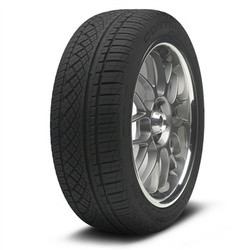
The Continental ExtremeContact DWS 245/40ZR17 starts at $193 per tire — competitive for a tire at this performance level in a staggered or square fitment that still handles winter conditions.
Quick links
Overview
Continental's ExtremeContact lineup comes in two main variants stocked at ThreePiece.us: the original ExtremeContact DWS and the updated ExtremeContact DWS06. Both carry the DWS designation — Dry, Wet, Snow — which isn't marketing fluff. Continental uses actual tread wear indicators embedded in the grooves to signal when the tire has worn beyond confident snow or wet capability. That's a functional feature, not a sticker.
The DWS targets the sport-compact and enthusiast sedan crowd running 17–19" fitments in performance-oriented sizes. The DWS06 slots into smaller rim diameters — 16" — making it well-suited to platforms like the Honda Civic, Subaru BRZ/GR86, Mazda MX-5, and similar sport-compact applications where ride quality and daily usability matter as much as corner grip. Check our GR86/BRZ wheel fitment guide or the Subaru BRZ 5x100 fitment guide for platform-specific context on sizing.
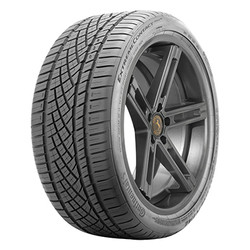
Continental's compound work on the ExtremeContact line uses a silica-enriched tread that stays pliable across a wide temperature range — the core reason it works on cold mornings when a dedicated summer tire would be borderline dangerous. The asymmetric pattern biases the outboard shoulder for dry cornering load while keeping inboard grooves wide enough to evacuate water quickly.
Specs & build
| Variant | Size | Speed Rating | Load Index | Price |
|---|---|---|---|---|
| ExtremeContact DWS | 245/40ZR17 | W (168 mph) | 91 | $193 |
| ExtremeContact DWS | 275/40ZR19 | Y (186 mph) | 101 | $311 |
| ExtremeContact DWS06 | 195/50ZR16 | W (168 mph) | 84 | $130 |
| ExtremeContact DWS06 | 205/45ZR16 | W (168 mph) | 83 | $146 |
Key construction details: asymmetric tread pattern, silica-reinforced compound, circumferential and lateral grooves for hydroplaning resistance, and Continental's DWS tread wear indicators (separate symbols for Snow and Wet capability loss). The DWS06 generation refines the shoulder block geometry for improved dry response over the original DWS. Both variants are rim-size appropriate for their target platforms.
Pros & cons
Pros
- Genuine three-season usability: The silica compound stays compliant in cold temps where many summer performance tires turn into hockey pucks. The snow indicators give you an honest signal rather than guesswork.
- Wet grip that's actually confidence-inspiring: Wide inboard grooves and lateral notches handle standing water well for a UHP tire. Progressive breakaway, not sudden.
- Dry cornering balance: The outboard shoulder carries load without excessive squirm. Predictable limit behavior — useful on a canyon road or a mountain backroad where you're actually pressing the tire.
- Tread life for the category: UHP all-seasons routinely sacrifice mileage. The ExtremeContact line holds up better than most in this segment for daily-driven sport compacts that see actual miles.
- Available in staggered fitments: The 275/40ZR19 option makes it viable for rear-biased platforms that run different widths front and rear.
- DWS06 pricing for smaller platforms: The 195/50ZR16 at $130 is genuinely good value for what the tire delivers on a NA Miata, early Civic, or base BRZ.
Cons
- Not a summer tire replacement: If you track your car or prioritize absolute peak dry grip, the compound's all-season characteristics mean you're leaving some lap time on the table versus a dedicated summer tire like the Michelin Pilot Sport 4S — see our Pilot Sport 4S review for context.
- Road noise at highway speeds: Noticeable but not intrusive. On a sport sedan with stock suspension, it's a non-issue. On a coilover-equipped car with a stiff tune, it becomes more apparent.
- Not a true winter tire: The DWS indicators exist for a reason — once the tread wears past the "S" marker, you're on wet-only territory. Deep winter driving on packed snow still warrants a dedicated set.
- Heavier than summer-only UHP tires: Unsprung and rotational mass are higher than a summer-only option. On a lightweight platform like the BRZ, that's worth noting — though for most street builds it's irrelevant.
Who it's for
The Continental ExtremeContact is the correct answer for the enthusiast who drives their performance car year-round in a climate that sees rain, cold snaps, and occasional light snow — but doesn't deal with sustained winter conditions. Think the Pacific Northwest, mid-Atlantic, transition states like Tennessee or Missouri, and mild-winter western regions. If you're in Minnesota running a dedicated winter set from November to March, a summer tire makes more sense for the other eight months. If you're in Atlanta or Denver where a hard freeze is a four-day event, the ExtremeContact DWS lets you stay on one set without compromising wet safety.
It's also the right call for anyone building a sport compact that doubles as a daily — Civic Si, GR86, WRX, Elantra N. Check our Elantra N fitment guide or the GR86 5x100 fitment guide to confirm sizing before ordering. The DWS06 variants cover smaller sport compact fitments cleanly.
If pure track performance is the goal and the car sees no wet or cold weather use, look at a more aggressive summer compound. For those wanting a no-compromise semi-slick for track days on a budget, our Federal 595 RS-RR review covers what that category actually delivers. Those two tires serve completely different use cases — don't conflate them.
For anyone running aftermarket wheels — particularly if you've gone up in diameter — the ThreePiece.us wheel catalog is worth cross-referencing against your target tire size before ordering. Running a 19" fitment? The ExtremeContact DWS 275/40ZR19 at $311 is the correct tire for a rear-biased staggered setup on that diameter.
Verdict
The Continental ExtremeContact DWS and DWS06 are among the few UHP all-season tires that don't require you to make excuses for them. They're genuinely capable in the dry, honest in the wet, and the DWS wear indicator system is one of the most practical features in the all-season category — you'll always know exactly what you're working with. For year-round enthusiast drivers who don't want to manage a summer/winter tire rotation, this is the right tire.
The DWS06 in 195/50ZR16 at $130 is the strongest value proposition in the lineup for sport compacts running smaller fitments. The DWS 245/40ZR17 at $193 covers the performance sedan and coupe crowd. And the 275/40ZR19 at $311 is the call for wider rear fitments on sport sedans or muscle cars that need UHP all-season capability at higher speed ratings.
If your wheel setup is still being finalized, browse the full wheel catalog at ThreePiece.us — getting the wheel diameter and width right before committing to a tire size matters more than most buyers realize. Also worth reading: our Civic Si build guide and the VW GTI fitment guide for platform-specific sizing context that directly affects which ExtremeContact SKU makes sense.
FAQ
What's the difference between the ExtremeContact DWS and DWS06?
The DWS06 is the updated generation with revised shoulder block geometry for improved dry responsiveness and refined wet evacuation. The original DWS is still a capable tire and is available in larger sizes like the 245/40ZR17 and 275/40ZR19. The DWS06 is currently available in smaller sport-compact fitments (195/50ZR16, 205/45ZR16). Both use Continental's DWS tread wear indicator system.
Are these tires directional or asymmetric?
The ExtremeContact DWS and DWS06 use an asymmetric tread pattern, not a directional one. This means they have a designated inside and outside but can be mounted on either side of the car — useful for corner-to-corner rotations. Make sure the installer reads the sidewall markings and mounts them correctly.
What do the DWS tread wear indicators actually mean?
Continental embeds separate "D," "W," and "S" indicators at different groove depths. As the tire wears, the first indicator to disappear signals loss of snow capability, then wet performance, and finally dry capability. It's a real functional tool — when the "S" disappears, you're no longer operating a snow-capable tire regardless of what the calendar says.
Can I run these on a track day?
Technically yes, but it's not the right tool for the job. The all-season compound will overheat faster under sustained track load than a summer or competition tire, which accelerates wear and reduces grip consistency lap to lap. For occasional autocross or a light HPDE event they're usable. For serious track use, a dedicated summer tire is the correct choice — see our Pilot Sport 4S review for that conversation. The ExtremeContact lives on the street, not the paddock.