
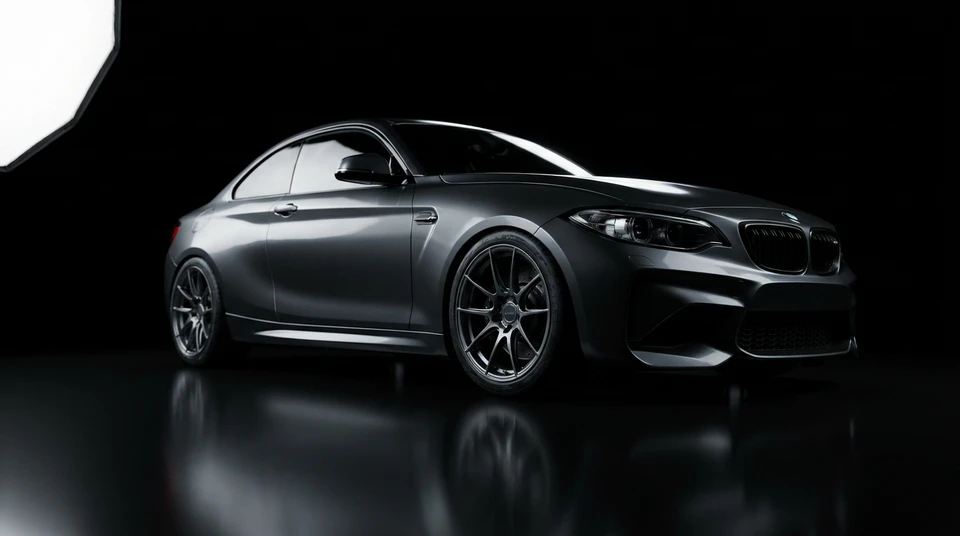
What Wheels Fit a BMW M2: The Complete Fitment Guide
The BMW M2 demands respect when it comes to wheel fitment. Whether you're running the original F87 generation or the newer G87, this compact performance machine has unique clearance requirements that can make or break your build. Get it wrong, and you'll face suspension interference, dangerous vibrations, or costly fender damage.
Quick Navigation
- Quick Answer
- Key Takeaways
- Stock Wheel Specifications
- Popular Aftermarket Setups
- Aggressive Fitment Limits
- Tire Recommendations by Use Case
- Spacers and Offset Adjustments
- Suspension and Fitment Interaction
- Common Fitment Mistakes
- Where to Buy Quality Wheels
- Real-World Owner Examples
- Who Should Modify Their M2 Wheels
- When to Skip Wheel Modifications
- Final Verdict
Quick Answer
The BMW M2 uses a 5x120 bolt pattern with 72.6mm hub bore across all generations. Safe aftermarket ranges are 18x9.5" ET35-40 square setups for daily driving, or 19x9.5" ET25-30 front with 19x10.5" ET15-20 rear for aggressive street builds. Track-focused owners typically run 18x9" ET35 front and 18x10" ET25 rear for better tire selection and lower costs.
Key Takeaways
- Conservative works: 18x9.5" ET35-40 square fits perfectly without modifications
- Aggressive limits: 19x11" ET15 rear maximum without fender work
- Track preference: 18" wheels offer better tire selection and lower replacement costs
- Hub-centric critical: Always use proper hub-centric rings or spacers for the 72.6mm bore
- Suspension matters: Lowering changes fitment dynamics significantly
Stock Wheel Specifications
F87 BMW M2 (2016-2020)
The original M2 came with different configurations depending on the model year:
Standard M2 (2016-2018):
- Front: 19x8.5" ET29
- Rear: 19x10" ET22
- Tires: 245/35R19 front, 265/35R19 rear
M2 Competition (2018-2020):
- Front: 19x9" ET29
- Rear: 19x10.5" ET22
- Tires: 265/35R19 front, 285/30R19 rear
M2 CS (2020):
- Front: 19x9.5" ET27
- Rear: 19x10.5" ET22
- Tires: 265/35R19 front, 285/30R19 rear
G87 BMW M2 (2023+)
The newer generation maintains the same bolt pattern with updated sizing:
- Front: 19x9" ET29
- Rear: 19x10.5" ET22
- Tires: 275/35R19 front, 285/30R19 rear
All generations share the 5x120 bolt pattern and 72.6mm hub bore.
Popular Aftermarket Setups
18" Square Setup (Daily Driver Favorite)
- Size: 18x9.5" all around
- Offset: ET35-40
- Tires: 265/35R18 or 275/35R18
- Benefits: Better ride quality, lower tire costs, easier rotation
19" Aggressive Staggered (Show Build)
- Front: 19x9.5" ET25-30
- Rear: 19x10.5" ET15-20
- Tires: 265/30R19 front, 295/30R19 rear
- Benefits: Maximum visual impact while maintaining street usability
18" Track-Focused
- Front: 18x9" ET35
- Rear: 18x10" ET25
- Tires: 255/35R18 front, 275/35R18 rear
- Benefits: Wide tire selection, lower costs, proven track performance
Aggressive Fitment Limits
Without Fender Work
- Front maximum: 19x9.5" ET25 with 265/30R19
- Rear maximum: 19x11" ET15 with 295/30R19
With Fender Modifications
- Front with rolling: 19x10" ET20 with 275/30R19
- Rear with rolling/pulling: 19x11.5" ET10-15 with 305/30R19
Critical Clearance Points
- Front strut housing interference below ET25
- Rear trailing arm contact below ET10
- Fender liner contact typically occurs before fender lip issues
- Suspension compression creates different requirements than static fitment
Tire Recommendations by Use Case
Street Performance
18" Options:
- Michelin Pilot Sport 4S: Gold standard for daily performance
- Continental ExtremeContact Sport: Excellent wet performance
- Bridgestone Potenza S-04 Pole Position: Balanced performance and comfort
19" Options:
- Michelin Pilot Sport 4S: Consistent excellence
- Pirelli P Zero: OEM-spec performance
- Yokohama Advan Sport V105: Strong performance value
Track/Autocross
18" Track Tires:
- Toyo Proxes R888R: Popular dedicated track choice
- Nitto NT01: Excellent heat resistance
- Falken Azenis RT660: 200-treadwear street/track compromise
19" Track Tires:
- Toyo Proxes R888R: Available in M2 sizes
- Pirelli Trofeo R: Semi-slick performance
- Michelin Pilot Sport Cup 2: Track performance with street capability
Spacers and Offset Adjustments
When Spacers Make Sense
Spacers work when running wheels with conservative offsets, like E90 M3 wheels (ET24 front, ET26 rear) that need adjustment for proper M2 fitment.
Recommended Spacer Ranges
- 5mm-10mm: Fine-tuning with minimal geometry impact
- 15mm-20mm: Common for achieving aggressive stance
- 25mm+: Not recommended due to bearing stress
Quality Spacer Brands
- : BMW-specific applications
- H&R: German engineering with extensive options
- Eibach-ers-7-00-inch-l-x-2-50-inch-dia-x-650-lbs-coil-over-spring-0700-250-0650/): Pro-Spacer line with hub-centric designs
Hub-centric spacers are essential for the M2's 72.6mm bore to prevent vibrations and ensure proper load distribution.
Suspension and Fitment Interaction
Lowering Effects
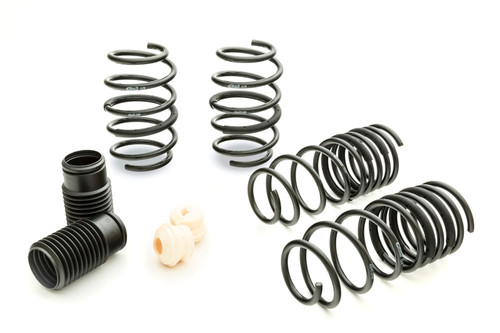
Lowering changes wheel position within the wells and alters suspension travel characteristics. Stiffer coilover setups like KW V3, Bilstein PSS10, or Ohlins Road & Track may allow more aggressive fitment due to reduced compression travel.
Spring-Only Modifications
Lowering springs like Eibach Pro-Kit or H&R Sport Springs maintain OEM damper characteristics while reducing height. These typically require more conservative wheel fitment due to maintained suspension travel.
Camber Considerations
Lowering introduces negative camber, particularly in the rear, which affects tire contact patches and wear patterns.
Common Fitment Mistakes
Critical Errors to Avoid
- Wrong hub bore: Using wheels larger than 72.6mm without hub-centric rings
- Offset miscalculations: Underestimating how 5mm changes affect clearance
- Extreme tire stretch: Compromises tire integrity on a performance car
- Replica wheel risks: May not meet M2's load requirements
- Ignoring load ratings: Performance driving generates significant wheel stress
Where to Buy Quality Wheels
Specialist Sources
ThreePiece.us excels in custom-offset forged wheels specifically for BMW applications. Their BMW fitment expertise allows precise specification building that optimizes both performance and aesthetics for the M2.
Other Notable Retailers
- : BMW specialist with extensive M2 selection
Professional fitment consultation becomes valuable when pushing aggressive setups or combining multiple modifications.
Real-World Owner Examples
Conservative Daily Setup
2019 M2 Competition: 18x9.5" ET35 square with 275/35R18 Michelin Pilot Sport 4S on stock suspension. Perfect daily compromise with no rubbing and excellent tire wear.
Track-Focused Build
2017 M2: 18x9" ET35 front, 18x10" ET25 rear with 255/35R18 and 275/35R18 Toyo R888R on KW V3 coilovers. Optimized for track use with minor fender liner trimming required.
Aggressive Street Setup
2020 M2 CS: 19x9.5" ET25 front, 19x11" ET15 rear with 265/30R19 and 295/30R19 on H&R springs. Pushes limits while maintaining daily usability with fender rolling required.
Who Should Modify Their M2 Wheels
The M2's wheel upgrade path makes sense for owners who want improved aesthetics, better tire selection, or track-optimized performance. Daily drivers benefit from 18" setups with better ride quality and lower tire costs. Track enthusiasts gain access to wider tire selections and reduced replacement costs. Show-oriented builds can achieve dramatic visual impact with proper fitment planning.
When to Skip Wheel Modifications
Stick with stock wheels if you're satisfied with the M2's factory performance and appearance. The OEM wheels are well-engineered for the car's capabilities. Skip modifications if you're not prepared for potential rubbing issues, increased tire costs, or the complexity of proper fitment. Winter driving in harsh conditions also favors conservative wheel choices.
Final Verdict
BMW M2 wheel fitment rewards careful planning and realistic expectations. The car's performance-oriented design makes it less forgiving than standard BMW models, but the payoff in improved aesthetics and performance can be substantial. Success comes from understanding the technical limitations, choosing quality components, and working with knowledgeable specialists when pushing boundaries. Whether pursuing a subtle daily driver enhancement or an aggressive show build, proper fitment ensures both safety and satisfaction with your M2's transformation.