
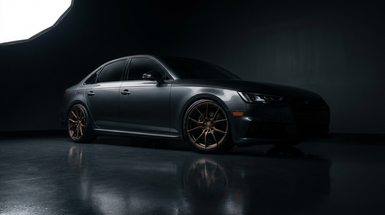
Audi B9 S4 problems: The Truth Nobody Mentions
5 Things Audi B9 S4 Owners Wish They Knew Before Buying
The Audi B9 S4 (2017-2023) represents a watershed moment in Audi's performance sedan evolution, trading the beloved supercharged V6 for a twin-turbocharged 3.0L V6 producing 354 horsepower. While this generation delivers impressive performance and modern technology, new owners consistently discover hidden complexities and costs that even experienced Audi enthusiasts find surprising.
Quick Navigation
- Quick Answer
- Key Takeaways
- Purchase Price vs. Real Ownership Costs
- Turbocharger and Carbon Buildup Reality
- Modification Limitations and Complications
- Daily Driver Compromises
- Wheel, Tire, and Suspension Consumables
- What Owners Still Love
- Pre-Purchase Inspection Checklist
- Bottom Line
Quick Answer
The B9 S4's biggest ownership surprises center on cascading maintenance costs, turbocharger complexity, modification limitations, daily driver compromises, and expensive consumables. Real ownership costs far exceed the competitive purchase price, with major service intervals clustering between 40,000-80,000 miles and component replacements reaching $3,500-$5,000 for turbochargers alone.
Key Takeaways
- Real ownership costs: 40,000-mile service runs $1,500-$2,000; 80,000-mile service hits $2,500-$3,500
- Carbon cleaning necessity: Required every 40,000-60,000 miles at $600-$1,000
- Turbocharger replacement: $3,500-$5,000 per side, typically needed around 60,000-80,000 miles
- Modification complexity: 48-volt mild hybrid system complicates tuning and emissions compliance
- Fuel economy reality: 18-22 MPG combined despite 24 MPG EPA rating, requires premium fuel
Purchase Price vs. Real Ownership Costs
The B9 S4's starting price appears competitive against the BMW 340i and Mercedes C43 AMG, but true ownership costs reveal a different equation. Buyers consistently underestimate total costs, particularly in the 40,000-80,000 mile range where major services cluster.
Current Market Pricing:
- 2018-2019 models: $35,000-$45,000 used (originally $56,200-$62,000)
- 2020-2021 models: $40,000-$50,000 used (originally $57,500-$65,000)
- 2022-2023 models: $48,000-$58,000 used (originally $59,900-$70,000+)
Hidden Maintenance Costs:
- 10,000-mile service: $300-$500
- 20,000-mile major service: $800-$1,200
- 40,000-mile service (spark plugs, cabin filter, brake fluid): $1,500-$2,000
- 80,000-mile service (transmission, coolant, major inspection): $2,500-$3,500
Unexpected Component Replacements:
- Carbon cleaning: $600-$1,000 every 40,000-60,000 miles
- Turbocharger replacement: $3,500-$5,000 per side
- 48V battery system service: $1,200-$2,000
- DSG transmission service: $400-$600 every 40,000 miles
Insurance premiums run 15-25% higher than non-S Audi models due to advanced safety systems and high repair costs requiring specialized networks for aluminum construction and driver assistance calibration.
Turbocharger and Carbon Buildup Reality
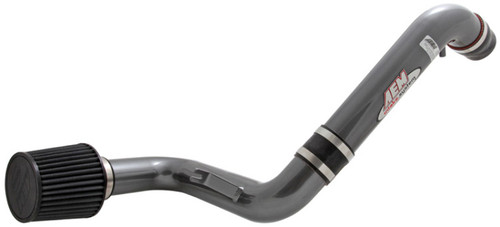
The twin-turbocharged direct injection engine compounds traditional carbon buildup issues with turbocharger-specific maintenance challenges. The direct injection system creates carbon accumulation on intake valves, while the twin-turbo configuration adds complexity that catches owners unprepared.
Carbon Buildup Symptoms:
- Rough idle developing around 30,000-50,000 miles
- Reduced power output under boost
- Increased fuel consumption
- Check engine lights for misfires or fuel trim issues
- Cold start hesitation
Turbocharger-Specific Problems:
- Turbo lag increases as carbon accumulates on intake valves
- Wastegate actuator problems typically appear at 60,000-80,000 miles
- Intercooler efficiency reduction requiring cleaning or replacement
- Oil consumption increases as turbo seals age (normal: 1 quart per 1,000 miles)
Prevention Strategies:
- Regular high-RPM operation under load
- Top-tier gasoline with detergent packages
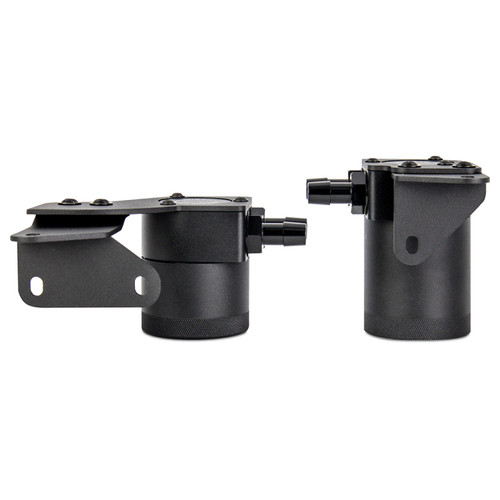
- Aftermarket catch can installation: $300-$600
- Strict adherence to oil change intervals with approved 5W-30 or 0W-20 specifications
Modification Limitations and Complications
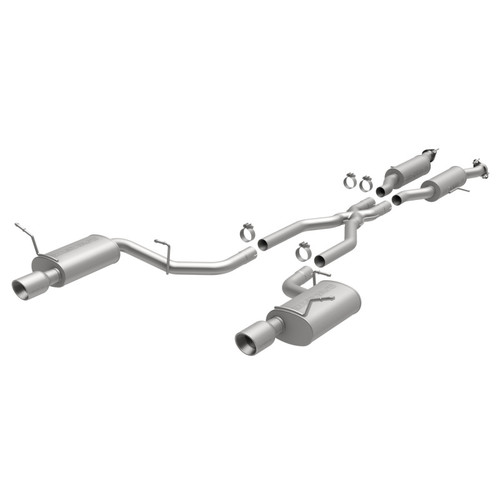
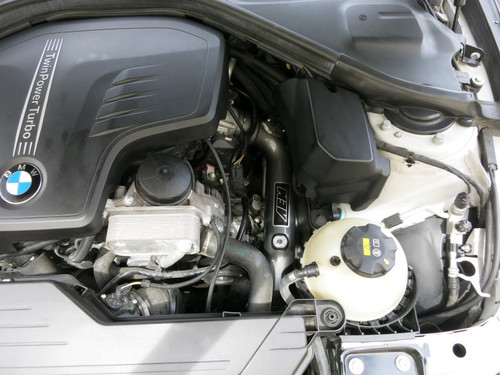
The B9 S4's sophisticated engine management and 48-volt mild hybrid system create unexpected limitations for performance modifications. Unlike previous generations, the integration of advanced emissions controls significantly complicates the modification landscape.
Stage 1 Tuning Reality:
- Power gains: 80-120 HP, 100-150 lb-ft torque
- Cost: $600-$1,200 for reputable tunes (APR, IE, GIAC)
- Immediate TD1 warranty flag risk with Audi
- Gains vary significantly based on fuel quality and conditions
Hardware Limitations:
- Stock turbochargers reach efficiency limits around 450-480 WHP
- Intercooler becomes inadequate beyond Stage 2
- Fuel system limitations appear around 500 WHP
- DSG transmission requires adaptation for higher torque levels
Legal and Emissions Issues:
- 48V system integration complicates CARB compliance
- OBD-II readiness monitors affected by aggressive tunes
- State inspection failures in emissions-testing regions
- Federal tampering violations for emissions equipment removal
Cost Escalation:
- Stage 1: $600-$1,200
- Stage 2 with downpipe: $2,500-$4,000
- Stage 2+ with intercooler and intake: $4,000-$6,000
- Big turbo setups: $8,000-$15,000+
Daily Driver Compromises

The B9 S4's performance positioning creates inherent compromises affecting daily usability. While marketed as an everyday performance sedan, real-world ownership reveals specific areas where performance priorities impact comfort and convenience.
Ride Quality and Noise:
- Sport suspension provides firm ride quality that some find harsh on poor surfaces
- Road noise increases with optional 19" wheels and summer tires
- Wind noise around A-pillars reported on some model years
- Adaptive damping helps but doesn't eliminate firmness
Fuel Economy Reality:
- EPA ratings: 21 city / 28 highway / 24 combined
- Real-world reports: 18-22 combined with mixed driving
- Premium fuel requirement adds $400-$800 annually
- Cold weather significantly impacts economy
- Aggressive driving drops economy to 14-16 MPG
Technology Learning Curve:
- MMI infotainment requires adaptation period
- Virtual Cockpit customization options overwhelming for some
- Smartphone integration occasionally problematic with updates
- Advanced driver assistance features require calibration understanding
Wheel, Tire, and Suspension Consumables
The B9 S4's performance-oriented setup creates ongoing consumable costs that buyers underestimate. Performance tires, specific wheel fitments, and sport-tuned suspension components result in higher maintenance intervals and replacement costs.
Tire Replacement Reality:
- Stock sizes: 245/40R18 (base) or 255/35R19 (sport package)
- Performance tire lifespan: 20,000-35,000 miles
- Replacement cost: $1,200-$2,000 for quality performance tires
- Winter setup adds $800-$1,500 for wheels and tires
- Uneven wear patterns common due to aggressive alignment specs
Wheel and Suspension Costs:
- 19" wheels more susceptible to pothole damage
- Wheel refinishing/replacement: $300-$600 per wheel
- Control arm bushings and ball joints need attention around 60,000-80,000 miles
- Brake component wear higher due to performance use
Brake System Expenses:
- Front brake pads: 25,000-40,000 miles (varies with driving style)
- Rear brake pads: 40,000-60,000 miles
- Brake rotor replacement: $800-$1,500 front, $600-$1,000 rear
- Performance brake fluid service recommended annually for enthusiast use
What Owners Still Love
Despite ownership challenges, B9 S4 owners consistently praise aspects that justify their purchase and maintain the car's appeal in the sports sedan segment.
Performance Delivery:
- Turbocharged torque provides effortless acceleration
- Quattro all-wheel-drive offers confidence in various conditions
- 0-60 times consistently achieve manufacturer's 4.4-second claim
- Power delivery remains linear and predictable
Build Quality:
- Interior fit and finish rivals more expensive luxury brands
- Aluminum construction provides rigidity while reducing weight
- Paint quality and panel gaps consistently excellent
- Interior materials exceed long-term durability expectations
Technology Integration:
- Virtual Cockpit highly customizable and informative
- Bang & Olufsen sound system delivers exceptional quality
- Advanced driver assistance features work effectively when maintained
- Smartphone integration reliable once properly configured
Pre-Purchase Inspection Checklist
Service History Verification:
- Complete Audi dealership service records
- Carbon cleaning completion if mileage exceeds 40,000
- Turbocharger-related service bulletins or repairs
- DSG transmission service interval compliance
- 48V battery system fault code history
Physical Inspection:
- Turbocharger wastegate operation during test drive
- Oil consumption documentation
- Tire wear patterns indicating suspension issues
- Brake component condition
- Interior wear consistent with mileage
Electronic System Checks:
- Fault code scan in all modules
- Infotainment and driver assistance function testing
- Virtual cockpit operation verification
- Climate control system testing
- Adaptive headlight functionality
Red Flags:
- Unusual turbocharger noises or wastegate chatter
- Aggressive modifications without supporting upgrades
- Incomplete service history
- Multiple previous owners in short periods
- Signs of flood damage or major accident repair
Bottom Line
The B9 S4 rewards owners who understand its complexity and budget appropriately for ownership costs. Ideal buyers have realistic expectations about German luxury car maintenance, access to independent Audi specialists, and adequate budgets for both purchase and ongoing expenses. Budget-conscious buyers attracted only to depreciated purchase prices should consider the simpler B8.5 S4 with its supercharged engine, while those seeking maximum reliability should explore certified pre-owned options with extended warranty coverage.