
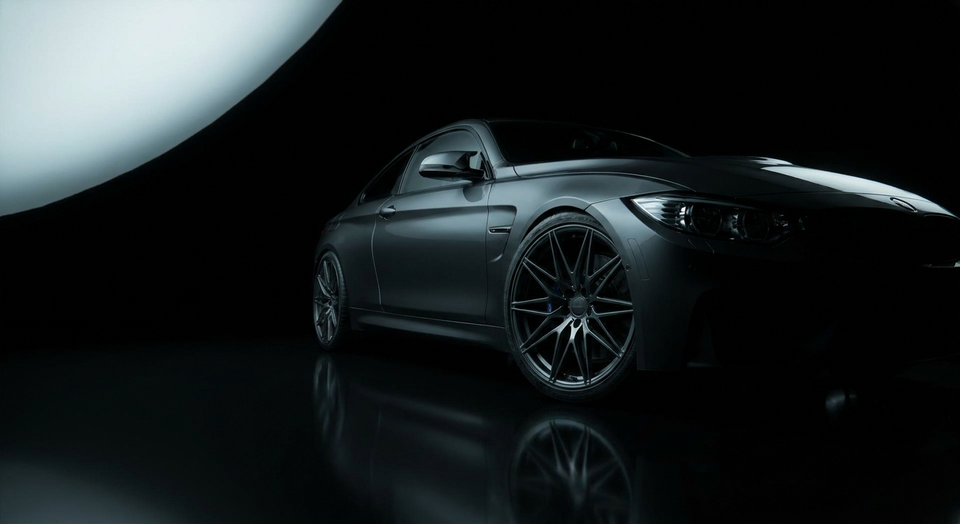
For most drivers who log daily commutes across changing weather, an all-season tire is the right call — it balances dry, wet and light-snow traction with long wear and a quiet ride. Choose a high-performance tire if you drive a sporty car, value sharp steering response and cornering grip, and mostly see warm-to-mild conditions. The single deciding factor is your priority: year-round versatility and mileage points to all-season, while outright grip and handling feel points to high-performance. Neither is universally "better" — they're engineered for different jobs.
All-Season explained
All-season tires are built to be jacks-of-all-trades: year-round rubber that balances dry, wet and light-snow traction for everyday driving. They typically use a harder tread compound that stays composed across a wide temperature range, moderate tread depth with plenty of siping (those tiny slits that bite into wet and slushy surfaces), and a symmetric or asymmetric pattern tuned for low noise and long life.
They suit commuters, families, crossovers and sedans in regions with real winters that stop short of deep, sustained snow. The trade-off is that a compound engineered to work everywhere rarely matches a specialist at any one extreme.
Browse the full range of all-season tires.
High-Performance explained
High- and ultra-high-performance tires are built for sharp steering response and grip. They use softer, stickier compounds, stiffer sidewalls and shallower, more aggressive tread patterns with larger contact patches. That construction rewards you with quicker turn-in, better high-speed stability and shorter dry stops.
They're aimed at sports cars, performance sedans and drivers who enjoy the feel of the road. The costs: the soft compound wears faster, the stiffer build transmits more road noise and impact harshness, and most struggle badly once temperatures approach freezing.
See our high-performance tires.
Head-to-head
Dry grip
High-performance wins clearly — softer compounds and larger contact patches deliver more mechanical bite and shorter dry braking. All-season is competent but conservative.
Wet grip
Closer than you'd think. Performance tires with deep water channels grip well in warm rain, but many all-seasons match or beat them thanks to extra siping and tread depth. Consider your local rainfall pattern.
Winter / snow
All-season takes it decisively. Its compound stays flexible in cold and its siping handles light snow; most performance tires harden and lose grip near freezing. Neither replaces a dedicated winter tire in heavy snow.
Tread life
All-season generally lasts longer — harder compounds resist wear. Performance tires trade longevity for grip, so plan on more frequent replacement.
Noise & comfort
All-season is usually the quieter, plusher choice. The stiffer sidewalls and aggressive tread of performance tires tend toward more road noise and a firmer ride.
Price
All-season spans a wide range, roughly $58 to about $2,900 depending on size and whether it's a touring or larger truck/SUV fitment. High-performance runs from about $79 to roughly $1,263. Big-diameter, low-profile sizes in either category push toward the top of the band.
Which should you buy?
If you live where winters bring cold snaps or occasional snow, an all-season is the safer, lower-hassle year-round option — especially on a crossover, SUV or family sedan. If you're in a warm or mild climate and drive a sporty car (or simply prize handling), a high-performance set will reward you every time you turn the wheel.
A middle path exists: all-season performance tires blend UHP handling with year-round usability, a reasonable pick if you want feel without swapping tires seasonally. As a general rule, match the tire to your dominant conditions rather than your rare ones — and if deep snow is routine, budget for dedicated winters regardless. Compare across categories on the all tires hub.
Our top All-Season
Shop All-Season at ThreePiece

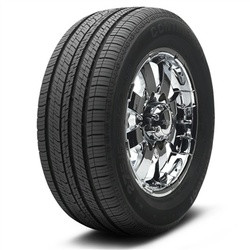
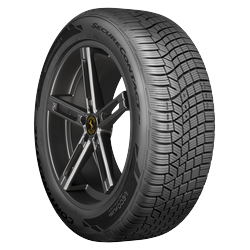

Strong touring and all-terrain choices include the Hankook Kinergy S Touring H735, Nitto Motivo 365 and Falken Wildpeak A/T4W for light-truck and SUV duty. Among widely available fitments, the Continental ProContact TX, Continental SecureContact AW and Continental ProContact GX are dependable everyday performers, with the Continental ContiProContact a comfortable commuter option.
Our top High-Performance
Shop High-Performance at ThreePiece
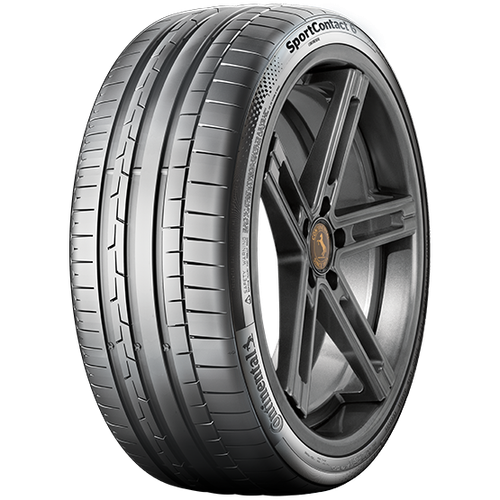
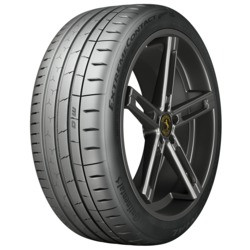
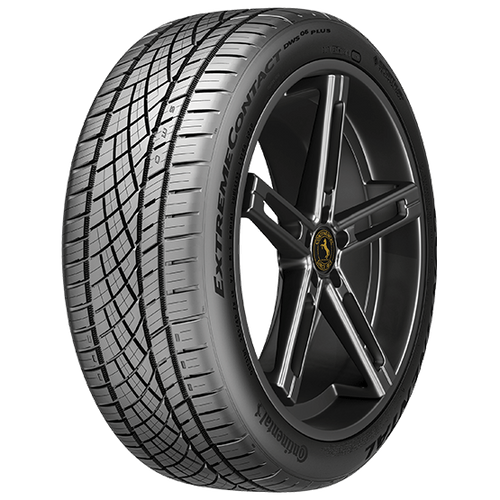

For grip-focused drivers, look at the Pirelli P-Zero (PZ4), Nitto NT555 G2 and Falken Ziex ZE960 A/S. Standout Continental UHP options include the ExtremeContact Sport 02, the all-season-capable ExtremeContact DWS06 Plus, and the track-leaning ContiSportContact 6 and ContiSportContact 5.
Frequently Asked Questions
Can all-season tires handle winter? They manage cold and light snow well thanks to flexible compounds and siping, but they aren't a substitute for dedicated winter tires in deep or sustained snow.
Do high-performance tires wear out faster? Generally yes. Their softer, grippier compounds trade longevity for traction, so expect more frequent replacement than a comparable all-season.
Are high-performance tires louder? Often, yes. Aggressive tread and stiffer sidewalls tend to produce more road noise and a firmer ride than a touring all-season.
Is there a tire that does both? All-season performance models — such as the DWS06 Plus — blend UHP-style handling with year-round usability, a good compromise if you don't want to swap tires seasonally.