
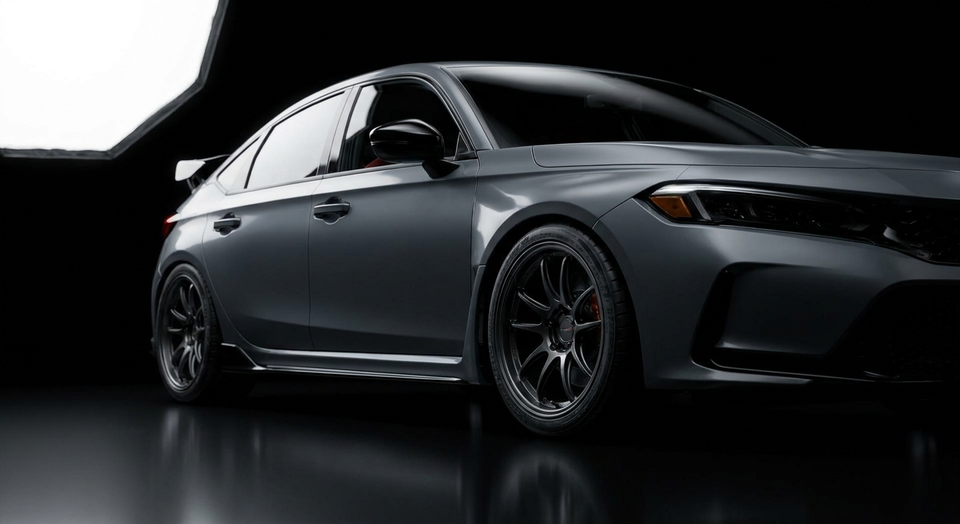
5 Things Honda Civic Type R Owners Wish They Knew About Wheels, Tires, and Fitment
The Civic Type R's reputation for "sensible" hot-hatch ownership evaporates the moment you look at a tire receipt. Behind the reliable Honda badge sits a 300+ hp, front-wheel-drive chassis riding on sticky 265-width rubber and lightweight forged wheels — and that combination drives real, recurring costs that catch buyers off guard. Here's what FK8 (2017–2021) and FL5 (2023+) owners say they wish someone had told them before they signed.
Quick Navigation
- Quick Answer
- Key Takeaways
- The Real Cost of OEM Tires
- OEM Wheel Specs: FK8, FL5, and the Limited Edition
- Curb Rash and Replacement Cost Reality
- Going Aftermarket: Fitment Tolerances Are Tight
- Suspension Bushings and Subframe Wear
- Brake Caliper Clearance and Track Wear
- Front Splitter Ground Clearance and Ride Height
- Pre-Purchase Wheel and Tire Checklist
- Bottom Line
Quick Answer
- OEM Michelin Pilot Sport 4S tires (265/30R19) wear out in 10,000–15,000 street miles, or as little as 6,000–8,000 with track use — expect $1,000–$1,300 per full set.
- Both generations run 19x9.5 forged wheels; OEM replacements run $500–$900 each, and the 2021 Limited Edition's BBS forged wheels are pricier and harder to source.
- Fender clearance is tight enough that fitment mistakes on aftermarket wheels cause rubbing — offset and width need to be dialed in precisely, which is where custom-built options like ThreePiece.us come into play.
- Suspension bushings and subframe mounts start showing wear (clunks, vague steering) around 50,000+ miles, especially with track use.
- The Brembo 4-piston front brakes hold up well on the street but chew through pads and rotors faster under repeated track sessions.
Key Takeaways
- Tires are the single biggest recurring cost of Type R ownership — not insurance, not maintenance.
- 19-inch forged wheels are lightweight but expensive to replace if curbed or cracked.
- Fitment tolerances are unforgiving — this isn't a car where you can eyeball an aftermarket offset.
- Ground clearance (4–4.5 inches at the front splitter) constrains ride height and lowering decisions more than most hot hatches.
- Track use accelerates tire, brake, and bushing wear dramatically faster than street-only driving.
The Real Cost of OEM Tires
This is where the "just a Honda" narrative falls apart fastest. Both the FK8 and FL5 ride on Michelin Pilot Sport 4S tires in a 265/30R19 fitment — genuinely excellent street and track rubber, but not built for longevity under a car making instant torque through the front wheels.
- Street driving: 10,000–15,000 miles per set with spirited use.
- Track use: as low as 6,000–8,000 miles.
- Cost: $250–$320 per tire, or roughly $1,000–$1,300 for a full set.
For anyone tracking the car regularly, this isn't a one-time expense — it's an annual line item that rivals or exceeds fuel costs. Budget for it before you budget for anything else aftermarket.
OEM Wheel Specs: FK8, FL5, and the Limited Edition
Wheel specs are consistent across generations but not identical in material or cost:
- FK8 base trims: 19x9.5 forged/cast wheels, lightweight for a performance-oriented setup.
- 2021 FK8 Limited Edition: exclusive lighter forged BBS wheels, part of the 600-unit special-edition package — notably pricier and harder to source if damaged.
- FL5: continues with a similar 19x9.5 forged design.
OEM replacement wheels commonly run $500–$900 each depending on trim and finish. The BBS units on the Limited Edition sit well above that range and are the hardest to replace on short notice, since they weren't produced in the same volume as standard trim wheels.
Curb Rash and Replacement Cost Reality
Curbing a $500–$900 forged wheel stings more than curbing a standard Civic's steel wheel — and the Type R's low ride height and aggressive fitment make it more likely to happen. Combine that with the tight tolerances around the front splitter (more on that below) and owners report a real, ongoing risk of cosmetic wheel damage from parking curbs, steep driveway approaches, and speed bumps taken at the wrong angle.
For anyone shopping used, curb rash or repainted wheels are a visible signal of how the car was actually driven and parked day-to-day — not just a cosmetic footnote.
Going Aftermarket: Fitment Tolerances Are Tight
Buyers coming from more heavily modified platforms (WRX/STI, Golf R, Focus RS) often assume wheel swaps are a simple bolt-on exercise. On the Type R, fender clearance and suspension geometry are tight enough that an incorrect offset or width causes rubbing — this isn't a car that forgives a "close enough" fitment.
That precision requirement is exactly why custom-built wheel programs matter more here than on looser-fitting platforms. ThreePiece.us, which specializes in custom forged and three-piece wheels, lets Type R owners dial in exact offset, width, and finish for their specific suspension setup rather than settling for generic aftermarket sizing or being locked into OEM dimensions. Three-piece wheels carry a premium over mass-produced aftermarket options, but on a chassis this fitment-sensitive, that precision is the difference between a clean setup and a rubbing tire.
Suspension Bushings and Subframe Wear
Higher-mileage FK8s — typically 50,000+ miles, more so with track use — commonly develop worn suspension bushings and subframe mount play. Symptoms show up as clunks over bumps or a slightly vague steering feel, both of which matter directly for wheel and tire performance since worn bushings affect alignment consistency and even tire wear patterns.
- Fix/upgrade: aftermarket polyurethane bushing kits, $200–$500, often paired with OEM bushing replacement where needed.
This is a known wear item, not a defect — but it's worth factoring into any pre-purchase inspection on a used car with unknown suspension history, especially since it directly affects how evenly your tires wear going forward.
Brake Caliper Clearance and Track Wear
Both generations use Brembo 4-piston front calipers, which are strong performers for street driving and hold up reasonably well for occasional track days. But regular track use changes the wear equation fast:
- Owners doing repeated track sessions report needing more aggressive pads, and sometimes rotors, within a single season.
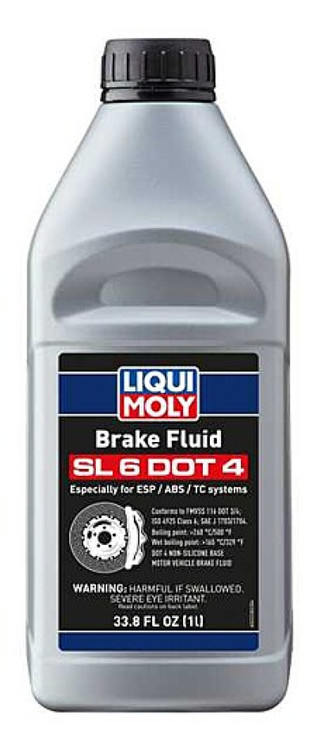
- Brake fluid flushes before track events are standard practice to avoid fade.
- Budget a few hundred dollars per season for dedicated track use — on top of the tire costs above.
If you're shopping aftermarket wheels, the stock Brembo calipers are also a clearance point worth confirming with any wheel builder, since caliper size dictates minimum inner barrel clearance on custom fitments.
Front Splitter Ground Clearance and Ride Height
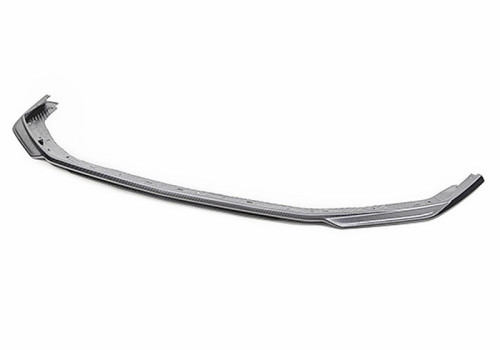
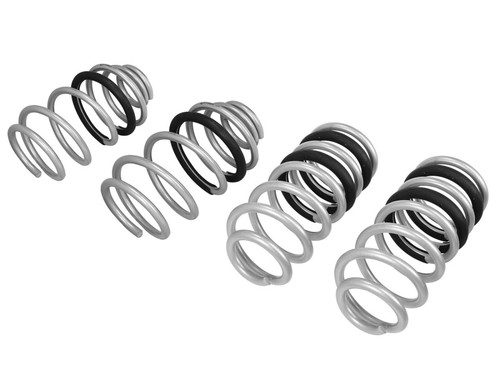

The Type R's front lip sits roughly 4–4.5 inches off the ground depending on generation — low enough that steep driveways, parking curbs, and some speed bumps become genuine daily hazards. This matters directly for wheel and suspension decisions:
- Any ride-height lowering compounds the existing clearance problem.
- Repainting or replacing a damaged splitter runs $300–$900, with Championship White notoriously difficult and costly to color-match.
- Owners who scrape the splitter often trace the habit back to parking approaches, not the road itself — a factor worth weighing before choosing a lower aftermarket wheel-and-tire package that further reduces clearance.
Pre-Purchase Wheel and Tire Checklist
Before buying a used FK8 or FL5, check the following:
- Tire brand and wear: Confirm whether the fitted tires are OEM Michelin Pilot Sport 4S or a replacement brand — this affects both remaining life and ride/grip characteristics.
- Tire age and tread depth: Given the 10,000–15,000-mile street lifespan, calculate how many miles are realistically left before a $1,000+ replacement is due.
- Wheel condition: Inspect all four wheels for curb rash, cracks, or repairs — especially on a Limited Edition with BBS wheels, where replacements are scarce.
- Splitter/lip inspection: Check for scrapes, cracks, or repainting as a proxy for how carefully the car was parked and driven.
- Suspension clunk test: Drive over rough pavement and speed bumps listening for clunks indicating worn bushings or subframe mounts, particularly on cars over 50,000 miles.
- Alignment history: Uneven tire wear patterns can point to worn bushings or a car that's never been properly aligned after suspension work.
- Aftermarket wheel fitment: If the car already has non-OEM wheels, confirm offset and width against Type R fender clearance specs before assuming they're a safe fit.
Bottom Line
The Type R's wheel and tire ecosystem is where the "affordable Honda" myth breaks down fastest. Sticky 265-width Michelin Pilot Sport 4S rubber wears out in a fraction of the mileage a standard Civic owner would expect, forged wheels are lightweight but expensive to replace, and the tight fender clearance means aftermarket fitment has to be precise — which is exactly the gap custom builders like ThreePiece.us are positioned to fill. Budget realistically for tires, treat curb rash and splitter clearance as daily-driving realities, and get any suspension bushings checked on higher-mileage cars, and the Type R remains one of the best-handling front-drive chassis you can put a wheel under.