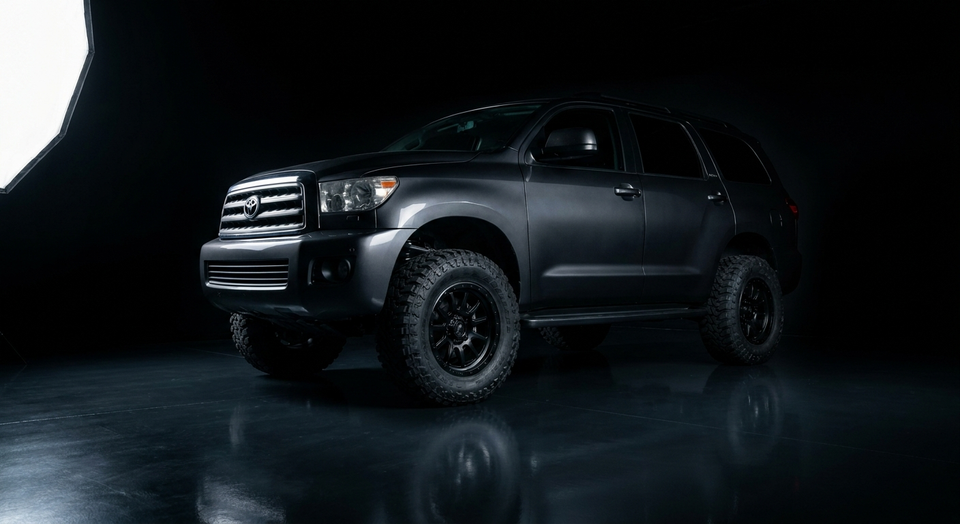
The short version: yes, you can run 35s on a Sequoia, but it's not a bolt-on job. On the current 2018-2026 platform, a genuine 35-inch tire needs a suspension lift, wheels with a friendlier offset than the factory setup, some fender and pinch-weld trimming, and — if you actually want the truck to drive right — a re-gear of the axles. Thirty-threes are the near-bolt-on sweet spot, 35s are the popular "real build" size, and 37s are possible but firmly in serious-fabrication territory. The rest of this guide walks through exactly what each size takes, what changes underneath, and which tires make sense.
Start with what the Sequoia gives you from the factory
The modern Sequoia rolls on an 18x8 wheel with a hefty +60mm offset, a 6x139.7 bolt pattern, and a 95.1mm hub bore. That +60 offset is the number to burn into your memory, because it's the single biggest reason big tires rub on this truck before you touch the suspension. A +60 offset tucks the wheel deep into the well toward the suspension components, which is great for on-road manners and steering feel but leaves very little room on the inboard side for a wider, taller tire.
Trim and generation matter here. A TRD Pro or an Off-Road-package truck already ships with a slightly more capable stance and, in some cases, more generous clearance than a base or luxury trim riding on 20s or 22s. The full-size Sequoia is also a heavy rig — a body-on-frame three-row SUV — so everything you bolt on has to respect that weight. Whatever your starting point, plan to verify clearances for your specific trim, ride height, and wheel choice rather than assuming a build you saw online transfers one-to-one to yours.
How big can you realistically go?
Realistically, the ladder looks like this: 33s with minor work, 35s with a lift and the right wheels, and 37s only if you're willing to trim, fab, and re-gear aggressively. None of these are truly "no-mod" on a stock Sequoia because of that deep factory offset. The good news is the aftermarket for this platform is healthy, and the wheel and tire math is well understood. Let's take each size honestly.
33s: the smart, livable upgrade
A 33-inch tire is the size most Sequoia owners should look at first, because it delivers a noticeably tougher stance and real trail capability without turning the truck into a project. In metric terms, a 285/70R17 comes in right around 32.7 inches tall — technically a hair under a true 33 but universally grouped with them — and it's the easiest of the bunch to fit. Step up to a true flotation 33, like a 33X12.50R17, and the extra width is where fitment gets fussy on the stock offset.
On a mild leveling kit or small lift, plus wheels with a lower offset to push the tire outboard, most 33s clear with only light trimming — often just the plastic pinch-weld pinch and some liner tucking, depending on how you're set up. Diameter-wise, going from a factory-height tire to a 33 is a modest jump, so drivability and gearing take a smaller hit than the bigger sizes. If you tow, camp, or just want your daily to look and work better without a full build, this is the tier that gives you the most upgrade per dollar. You'll find 33s in 17-, 18-, and 20-inch fitments, including the 33X12.50R18 and the taller-wheel 33X12.50R20 for trucks that came on larger rims.
35s: the real answer most people are chasing
This is the size the question usually means, so let's be direct about it. A 35 on a Sequoia is absolutely doable and it looks fantastic, but it's a build, not a purchase. Expect to add a suspension lift to create vertical room, swap to wheels with a lower offset (or add spacers, with the right studs and torque) to get the tire out of the suspension, and trim the front fender liners, the lower fender lip, and very likely the pinch weld. The front wheel well is the tight spot — at full steering lock and full suspension compression, a 35 wants to contact the firewall-side liner and the sway bar area, so cycling the suspension and steering before you drive it is not optional.
On sizing, you've got a true flotation 35 like the 35X12.50R17 at a full 35 inches tall and 12.5 wide, or a narrower metric alternative in 315/70R17 at about 34.4 inches. That metric option is worth a serious look on this truck: it's slightly shorter and narrower, which meaningfully reduces rubbing and eases the load on the drivetrain while still reading as a 35 to most eyes. If you want the full-fat flotation look, the 35X12.50R18 and 35X12.50R20 round out the 17/18/20 lineup. Just know that the wider and taller you go, the more trimming and the more re-gearing you'll want.
The trade-off with 35s isn't just clearance — it's how the truck feels afterward. A 35 is both taller and heavier than what the Sequoia's gearing and brakes were tuned for, so without addressing gears you'll notice lazier acceleration, more downshifting on grades, and worse fuel economy. Do it right and a 35-inch Sequoia drives beautifully; do it half-way and it feels sluggish and busy.
37s: possible, but a committed build
Thirty-sevens on a Sequoia belong to the dedicated builders. A true 37X12.50R17 is a full two inches taller than a 35 and considerably heavier, which pushes clearance, fitment, and drivetrain demands to their limits on this platform. You're looking at a taller lift, aggressive fender and body-mount trimming, wheels with an extreme low or negative offset, careful attention to brake and control-arm clearance, and re-gearing that's no longer optional but mandatory to keep the truck livable. Some of the extreme wheel-and-offset combinations for this chassis carry explicit "check lift kit requirements" and "check brake clearance" cautions for good reason — that's the neighborhood 37s live in.
If you're set on it, 37s are available in 17-, 18-, and 20-inch flavors, including the 37X12.50R18 and 37X12.50R20. Go in with eyes open: budget for the fabrication and the gears, and verify every clearance for your rig before you commit.
What actually changes when you go bigger
Where they rub, and why offset is the whole game
Offset is the distance from the wheel's mounting face to its centerline. A high positive number like the factory +60 pulls the wheel inboard, toward the strut, control arm, and inner liner. A lower or negative offset pushes the wheel and tire outboard, toward the fender. Backspacing describes the same relationship from the back of the wheel to the mounting face — more backspacing tucks in, less pokes out. When you fit a bigger tire on the stock +60 wheels, the extra width lands right where the inner suspension lives, so the tire rubs inside at lock and on compression.
The fix is a wheel with more moderate offset. Plenty of bolt-on-friendly fitments for this truck live in the +22 to +35 range in 17-, 18-, 20-, and 22-inch diameters — for example an 8x18 at +22, an 8.5x18 in the low +30s, or 8x20 and 8x22 around +35 — all of which move the tire outboard for clearance while keeping it well-mannered. Push to very low or negative offsets (some listed wide setups reach into negative numbers) and you gain clearance but add stress to wheel bearings and pick up more poke, tire-shine, and rock chips on the paint. Wider 10-inch and 12-inch wheels are flagged for clearance for a reason. There's a sweet spot, and it's usually a moderate offset paired with modest trimming rather than an extreme wheel doing all the work.
Re-gearing: the step people skip and regret
Taller tires effectively raise your gearing, making the engine work harder to turn a bigger circle. On a heavy Sequoia, jumping from factory-height rubber to 35s without re-gearing the axles noticeably dulls throttle response, causes the transmission to hunt for gears on hills and when towing, and hurts economy. Re-gearing to numerically higher axle ratios restores the effective ratio the truck was engineered around, bringing back crisp acceleration and letting the transmission stay in its happy zone. For 33s you might live without it depending on how you drive; for 35s it's strongly recommended; for 37s it's a requirement. The specific ratio depends on your tire size and how you use the truck, so plan the gears around the tire, not the other way around.
Speedometer, TPMS, and the small stuff
A bigger tire covers more ground per revolution, so your speedometer will read slow and your odometer will undercount. That throws off everything from cruise control to service intervals, so plan on recalibrating — whether through a programmer, a dealer/shop reflash, or as part of a gear swap. TPMS is another detail: keep the factory sensors, transfer them into your new wheels, and make sure they're relearned so you don't chase phantom warning lights. None of this is hard, but skipping it leaves you with nagging annoyances every drive.
Load range on a heavy rig
The Sequoia is a big, heavy SUV that many owners also tow with, so tire load rating genuinely matters. Look for a robust load range — many quality flotation tires for this platform come in Load Range E, and some 18-inch options run even heavier ratings like the 12-ply-equivalent constructions. A stouter carcass resists squirm under the truck's weight, holds up to trail abuse, and gives you towing margin. The trade-off is a firmer ride and more weight, so match the load range to how you actually use the truck rather than automatically buying the heaviest thing available.
All-terrain or mud-terrain for this truck?
Most Sequoias spend most of their lives on pavement, and that reality should steer your tread choice. A modern all-terrain is the right call for the majority of owners: it's quiet, wears well, handles rain and light snow competently, and still looks and performs great on dirt, gravel, and moderate trails. Rugged-terrain tires split the difference with a more aggressive look and better bite while staying reasonably civil on the highway.
A true mud-terrain makes sense only if you routinely tackle deep mud, rocks, or soft terrain and you're willing to accept more road noise, faster wear, and a bit less wet-weather grip on a heavy vehicle. On a family-hauling Sequoia that occasionally goes exploring, a good A/T or R/T is almost always the smarter, more livable pick. Browse the full range on the tires hub to compare tread styles side by side.
Which sizes we stock, and how to choose
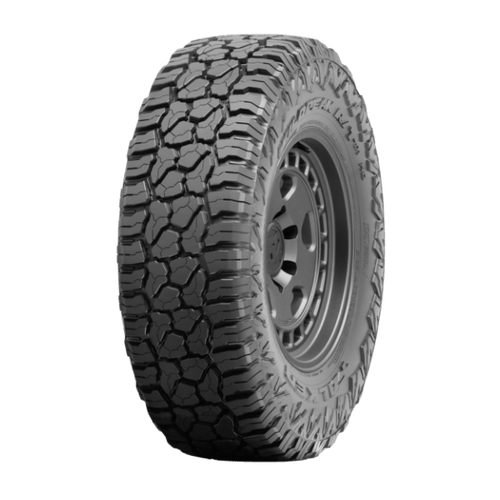
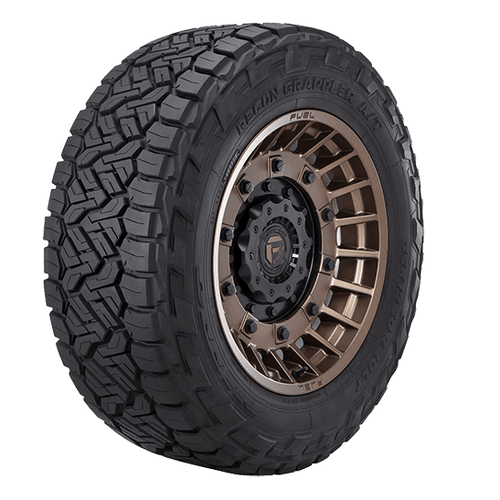
Across the popular fitments, there's solid selection. In the 35-inch class specifically, the 17-inch flotation size is well represented with all-terrains and rugged/hybrid treads — the Nitto Recon Grappler A/T in 35X12.50R17 is a great do-everything choice, the Kumho Road Venture AT52 in 35X12.50R17 is a strong value all-terrain, and the Falken Wildpeak R/T01 in 35X12.50R17 leans more aggressive without going full mud tire. If you're on 18s, the Recon Grappler A/T in 35X12.50R18, the heavy-duty Nokian Outpost nAT in 35X12.50R18, and the rugged Toyo Open Country R/T Pro in 35X12.50R18 are all excellent, high-load-range options.
When you're prioritizing, think in this order: get the diameter and width your build can actually clear, choose a load range that matches your weight and towing, then pick the tread that fits your real driving mix, and finally worry about brand and looks. A slightly narrower metric like the 315/70R17 can save you trimming headaches over a full-width 35; that's a legitimate strategy, not a compromise. Whatever you land on, confirm the wheel offset, lift height, and clearance for your exact trim before you buy — do that, and a big-tire Sequoia is a genuinely satisfying build.
Real Toyota Sequoia builds running 35s and up
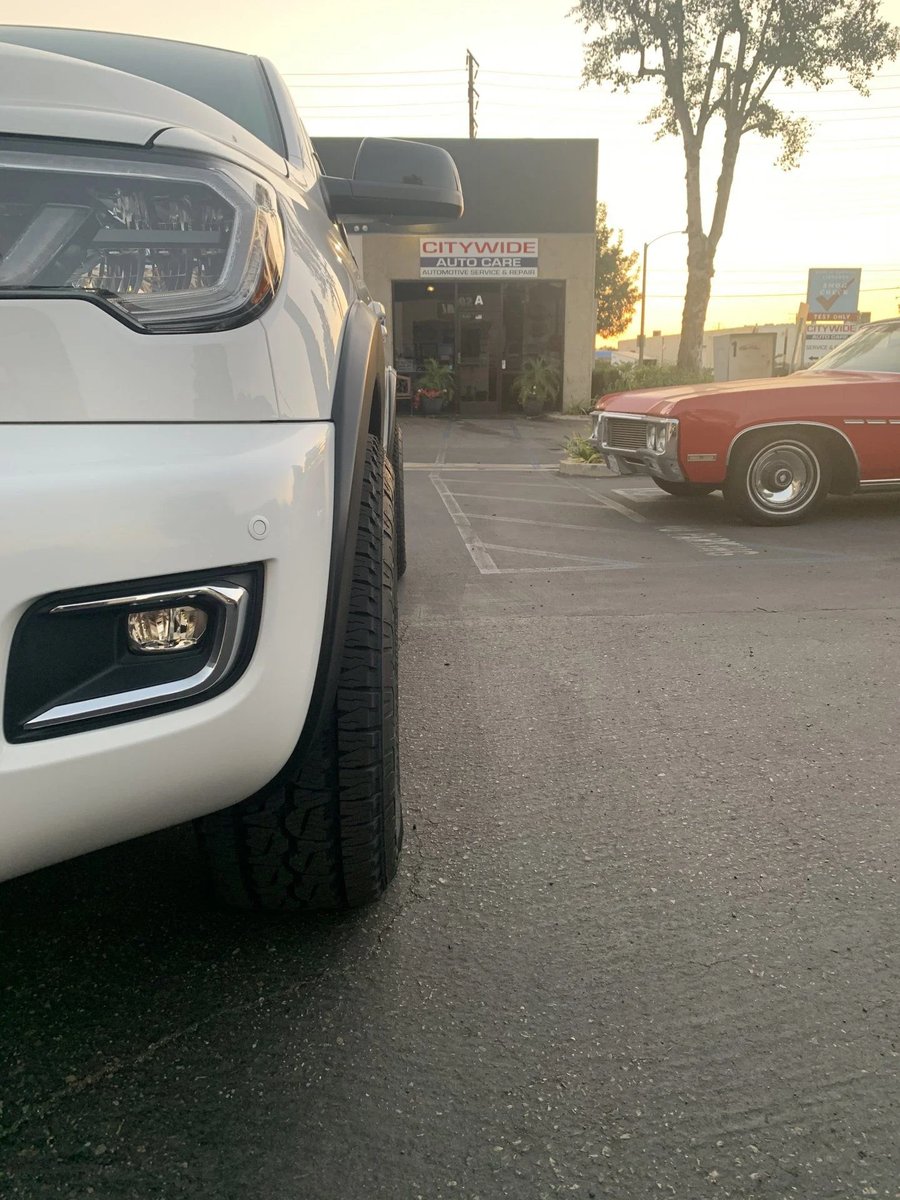
Actual owner builds — real photos.


Frequently Asked Questions
Do I really need a lift to run 35s on a Sequoia? In practical terms, yes. Because of the deep +60 factory offset and limited well clearance, a true 35 won't fit cleanly on a stock-height truck without significant contact. A suspension lift creates the vertical room, moderate-offset wheels move the tire outboard, and some trimming handles the rest. The exact combination depends on your trim and how wide a tire you choose, so cycle the suspension and steering to verify before you drive it.
Will 33s fit without much work? They're the closest thing to easy on this platform. A 285/70R17 (about 32.7 inches) is the friendliest, and true flotation 33s usually clear with a leveling kit or small lift, better-offset wheels, and light trimming. It's the best balance of capability and livability for most owners, and it keeps the impact on gearing and ride manners modest.
Do I have to re-gear after installing bigger tires? For 33s you often can live without it depending on your driving. For 35s it's strongly recommended, and for 37s it's essential. Taller tires raise your effective gearing, which dulls acceleration and makes the transmission hunt — especially on a heavy Sequoia and while towing. Re-gearing the axles restores the ratio the truck was designed around and brings back proper drivability.
What offset should I look for? Moving away from the factory +60 toward a more moderate number — commonly in the +22 to +35 range for this chassis — pushes the tire outboard for clearance while keeping handling composed. Very low or negative offsets add clearance and aggressive poke but load the wheel bearings harder and expose the truck to more rock chips. Aim for a moderate offset paired with modest trimming rather than relying on an extreme wheel.
Should I choose an all-terrain or a mud-terrain? For most Sequoia owners, an all-terrain (or a rugged/hybrid tread) is the better choice: quieter, longer-wearing, and safer in wet weather while still handling dirt and moderate trails well. Save the mud-terrain for genuinely muddy, rocky, or soft terrain you tackle regularly, and accept the extra noise and faster wear that comes with it on a heavy vehicle.
Will bigger tires throw off my speedometer? Yes — a taller tire makes the speedometer read slow and the odometer undercount, which affects cruise control and service intervals. Plan to recalibrate via a programmer, a shop reflash, or as part of a gear swap. Also transfer your TPMS sensors into the new wheels and have them relearned so you don't get false warnings.
35-inch tires for the Sequoia (in stock)