
Monoblock vs 3-Piece Wheels: How To Choose
The short answer: a monoblock forged wheel is one machined piece — strong, light, done. A 3-piece wheel is a face, inner barrel, and outer lip bolted together with hardware — endlessly configurable, repairable, and the format that defines JDM and Euro tuning culture at its highest level. Neither is universally better. The right choice depends on what you're actually doing with the car. Here's how to think through it.

Quick links
How each is made
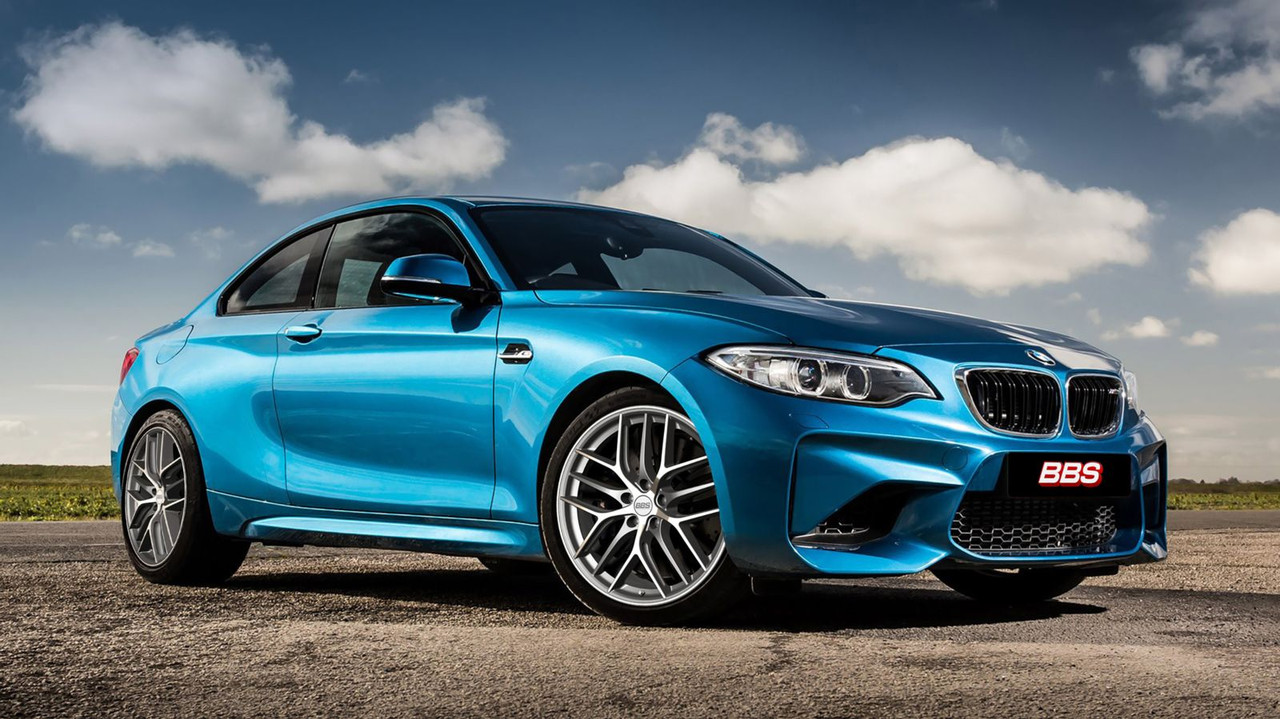
Monoblock (one-piece forged): A single aluminum billet is pressed under extreme pressure in a die — this is the forging step. The grain structure of the metal is forced to flow with the geometry of the wheel rather than against it, which is why forged monoblock wheels can be machined down aggressively without sacrificing structural integrity. After forging, the blank is CNC machined to its final shape. There are no seams, no fasteners, no gaskets. The BBS CC-R is a flow-forged monoblock — the barrel is spun under heat after an initial forge, thinning and elongating the aluminum for a lighter, stiffer barrel profile. Flow forging is not the same as full rotary forging, but it's meaningfully better than pure casting for barrel integrity.
3-piece: The face (center section) is typically forged or flow-formed separately from the barrel. The outer lip is a spun aluminum hoop. The inner barrel is either spun or rolled. All three are fastened together with a ring of hardware bolts — typically M6 or M7 stainless — and the face-to-lip junction is sealed with a bead of RTV or a gasket. This is not a structural weakness. The hardware preload is substantial, and every serious 3-piece from Work, SSR, BBS, and Weds Kranze is engineered to spec around the fastener ring. The real value of the 3-piece format is what happens after production: you can change the lip depth, refinish individual sections, swap faces onto new barrels, or rebuild a bent lip without scrapping the whole wheel.

Both formats can use forged faces. The distinction is purely about construction — one piece versus three. You'll find cast monoblocks at the budget end, flow-forged and full-forged monoblocks in the mid-to-premium tier, and 3-piece wheels ranging from cast-center entry-level to full-forged boutique production. Don't conflate monoblock with low-quality or 3-piece with heavy — that framing is outdated and often wrong.
Strength, weight, and cost
| Category | Monoblock Forged | 3-Piece |
|---|---|---|
| Structural integrity | No seams or fasteners — clean load path from bead seat to hub | Properly torqued hardware ring is engineered to spec; seam is not a weak point on quality builds |
| Weight | Typically lighter at equivalent sizing — one forging, minimal material redundancy | Barrel, face, and lip hardware add some overhead; weight varies significantly by lip depth and face design |
| Offset flexibility | Fixed at time of production — offset is machined in | Adjustable via barrel depth before assembly; custom offset orders are standard practice |
| Repairability | A bent or cracked monoblock is typically a total loss or an expensive weld repair | Individual sections can be replaced — a bent lip is a lip replacement, not a wheel replacement |
| Finish options | Machined, painted, or anodized as one unit | Face, lip, and hardware can be finished independently — chrome lip, brushed face, polished hardware is all possible |
| Sealant maintenance | None required | RTV bead should be inspected periodically; slow leaks from dried sealant are a known issue on older sets |
| Entry price | Lower for cast monoblock; forged monoblock typically mid-to-high | Wide range — entry 3-piece with cast face to full-forged boutique; premium 3-piece is expensive |
| Resale and collectibility | Strong for name brands (BBS, Volk, OZ); less so for generics | JDM 3-piece (Work, SSR, Weds Kranze) holds significant collector value; iconic sizes and colorways appreciate |
Which should you buy?
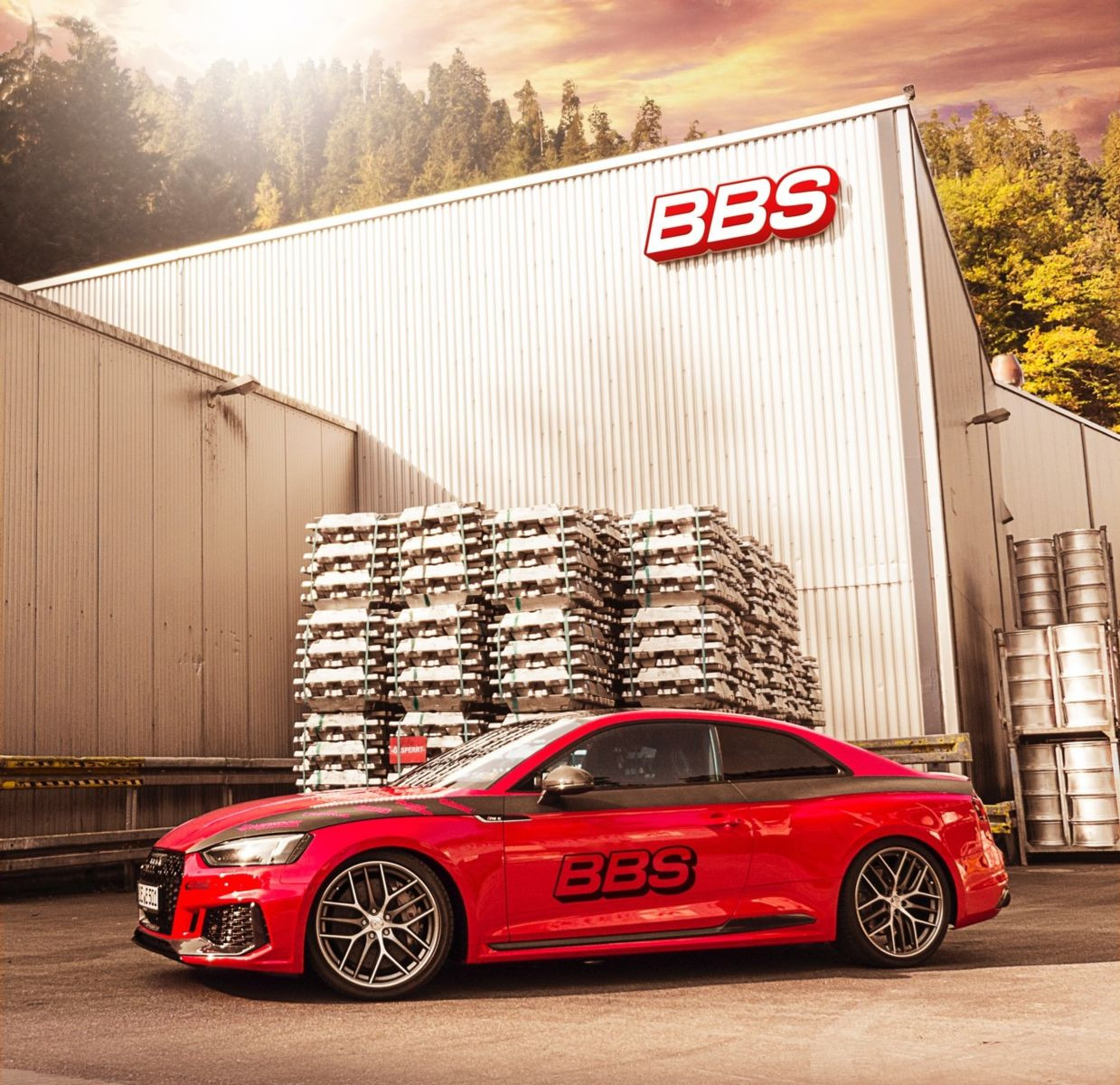
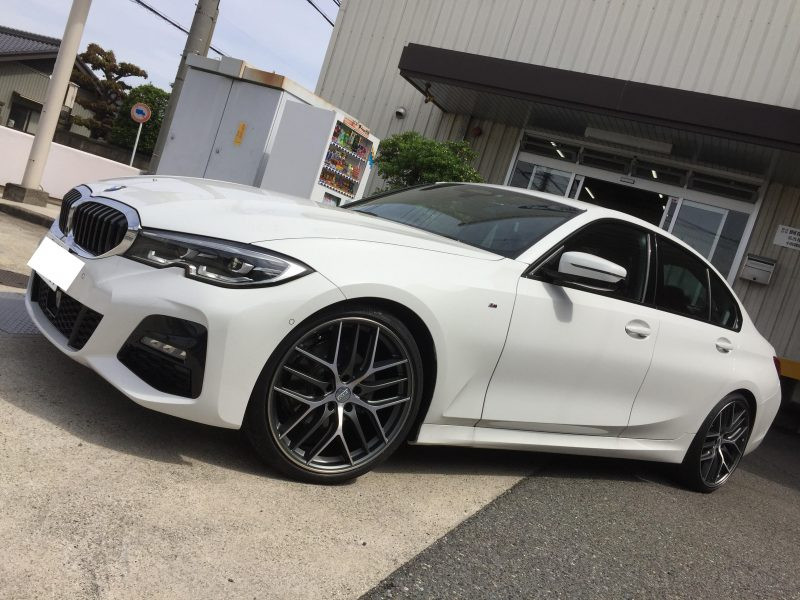
Daily driver, street performance, fitment-first: Monoblock forged is the practical answer. No sealant to maintain, no hardware to re-torque, lighter rotational mass, and lower cost-per-wheel at equivalent quality tiers. The BBS CC-R in Satin Black ($620) and Satin Platinum ($620) are the clearest examples of this category done right — flow-forged construction, fitment-specific offsets for 5x112 platforms, and a design that photographs well without screaming for attention. If you're on a MQB Golf R, an F30/G20 3 Series, or an Audi S4/S5 and you want one set of wheels that does everything without compromise, this is it.
Track and autocross: Monoblock forged again — specifically for weight and structural simplicity. You don't want sealant concerns when you're running hot and hammering curbs. Look for full-forged over flow-forged if weight is the primary driver. For reference, the BBS CC-R's flow-forged construction targets the same weight bracket as dedicated track wheels in this size. Cross-reference our Konig Hypergram review and the Volk TE37 review for how the forged monoblock market stacks up at different price points.
Show, stance, and fitment-obsessed builds: 3-piece, no question. The ability to run a deep stepped lip at a custom offset — something you cannot do with a monoblock — is the entire point. Work Wheels, SSR, and Weds Kranze all offer barrel customization at the order stage. If you want a 20x11 +15 with a 4-inch lip and polished hardware, that's a 3-piece conversation, full stop. Browse our Work Wheels selection and the Weds Kranze range for current inventory. For 5x112 Euro platforms specifically, the BBS CC-R Graphite w/ Diamond Cut Face ($660) bridges both worlds — monoblock construction with a two-tone finish that reads like a 3-piece at a distance.
Long-term ownership and maintenance: 3-piece wins here specifically because of part replacement. A curb-rashed outer lip on a 3-piece is a wheel parts order away from being resolved. A curb-rashed monoblock is a refinishing job on the full wheel. If you're running the same set for 5–7 years in street conditions, the ability to swap a lip or replace assembly bolts mid-ownership has real dollar value. We stock M6, M7, and M8 assembly hardware, plus Work center caps and the Work W Center Cap (Silver/Silver, Big Base) at $120 — components that keep an aging 3-piece looking factory-fresh.
Also worth reading if you're working through a fitment decision: the VW GTI 5x112 fitment guide and the Audi RS3 fitment guide both cover offset and width specifics for platforms where the CC-R is a strong match.
Shop the wheels

- BBS CC-R 5x112 20x8.0+27 — Satin Black — $620
- BBS CC-R 5x112 20x8.0+27 — Satin Platinum — $620
- BBS CC-R 5x112 20x8.0+27 — Graphite w/ Diamond Cut Face — $660
- Work W Center Cap — Silver/Silver Big Base — $120
- Browse all wheels
- Work Wheels catalog
- Weds Kranze catalog
- Wheel parts and accessories
FAQ
Is a 3-piece wheel structurally weaker than a monoblock?
No — not on a properly engineered 3-piece from a reputable manufacturer. The hardware ring that joins the face to the barrel is designed to handle the same load paths as a monoblock. The concern about seam integrity is legitimate for cheap, poorly assembled 3-piece wheels, but it's not a real-world failure mode on Work, SSR, BBS, or Weds Kranze product when assembly hardware is properly torqued and the sealant is maintained.
Can I change the offset on a 3-piece wheel after I buy it?
Yes — within limits. The barrel depth determines offset, and many 3-piece manufacturers will rebuild a wheel to a different offset by modifying or replacing the barrel. This is one of the format's primary advantages over monoblock, where offset is machined in at the factory and cannot be changed post-production.
What is flow forging, and is the BBS CC-R actually forged?
Flow forging (also called flow forming or rotary forging on the barrel) starts with a cast or forged preform and then spins the barrel under heat and pressure to thin and elongate the aluminum. The grain structure in the barrel is mechanically refined, which improves tensile strength and reduces weight compared to pure casting. The BBS CC-R uses this process on its barrel. The face is forged. It is not the same as a full billet forged monoblock, but it is meaningfully above cast in engineering terms — and the difference shows in the barrel wall thickness and overall weight.
How often do 3-piece wheels need to be resealed?
On a well-maintained set under normal street use, the RTV or gasket seal between face and barrel lasts many years without attention. The failure mode is typically a slow, intermittent air loss that becomes noticeable when the wheel is under temperature cycles — hot days, cold nights over weeks. If you're buying a used set, inspect the sealant bead before assuming the wheels are airtight. Resealing is a straightforward process and the only ongoing maintenance the 3-piece format requires beyond standard hardware inspection.