

Winter & Snow vs All-Season Tires: How to Choose
If you regularly drive in temperatures below about 45°F, on packed snow, or over ice, dedicated winter & snow tires are the safer choice; if your coldest weather is occasional light frost or a rare dusting, a good all-season tire is the more practical year-round pick. The single deciding factor is your climate: winter tires trade some warm-weather longevity for dramatically better cold traction, while all-seasons trade peak snow grip for one set that does everything reasonably well. Most drivers in genuinely snowy regions run a dedicated winter set and swap seasonally. Everyone else is usually well served by all-seasons.
Winter & Snow explained
Winter tires are engineered specifically for cold weather. Their rubber compound stays soft and pliable when temperatures drop, where an all-season compound stiffens and loses grip. The tread carries deep grooves and dense siping — hundreds of tiny slits that bite into snow and channel away the thin water layer that forms on ice. The result is shorter stopping distances and better cornering confidence on snow and ice.
These are the right choice for drivers in regions with sustained cold, regular snowfall, or icy roads. The trade-off: that same soft compound wears faster and feels vaguer in warm summer heat, so winter tires are meant to be swapped off once spring arrives. You'll find a broad range in the winter & snow tires category.
All-Season explained
All-season tires are the year-round compromise built for everyday driving. A harder, more temperature-stable compound and a balanced tread pattern deliver solid dry and wet traction across a wide range of conditions, plus enough biting edges for light snow. The reward is convenience: one set, no seasonal swaps, and generally longer tread life.
They suit drivers in mild or moderate climates who see rain more often than heavy snow. What they can't match is a true winter tire on ice and deep snow — the compound simply isn't optimized for hard freezes. Browse the full all-season tires selection or the broader tire catalog to compare.
Head-to-head
Dry grip
All-seasons win here. Their firmer compound and stiffer tread blocks give crisper steering response and more predictable handling in warm, dry conditions, where a soft winter compound can feel squirmy.
Wet grip
A closer call. Quality all-seasons are tuned for wet roads at typical temperatures, but winter tires often clear slush and cold-wet surfaces very well thanks to their aggressive siping. In near-freezing rain, the winter tire's compound advantage shows.
Winter & snow
No contest — winter tires dominate on packed snow and ice. This is their entire reason for existing, and the gap over all-seasons on a genuinely icy road is large.
Tread life
All-seasons generally last longer because the compound resists warm-weather wear better. Winter tires wear quickly if left on through summer, which is why they're designed for seasonal use.
Noise & comfort
All-seasons are usually quieter and smoother for daily highway driving. Many winter tires, especially studdable and aggressive-tread models, produce more road noise.
Price
Winter & snow tires here run roughly $97 to $720 each depending on size and model. All-seasons cover a much wider spread — from about $58 up into four figures for large, specialized fitments — reflecting everything from compact-car touring tires to premium truck and performance sizes.
Which should you buy?
Think in terms of climate and how you use the vehicle. If you live where winters bring recurring snow, ice, or long cold stretches, a dedicated winter set (swapped on and off seasonally) is generally the safest, most confidence-inspiring option — and it can extend the life of your summer or all-season set too.
If your winters are mild, wet rather than snowy, or you can simply avoid driving in the occasional storm, all-seasons are usually the more sensible single-set choice. Heavier vehicles, longer commutes, and mountain routes tilt the decision toward winter rubber. These are general guidelines — your local conditions and driving habits should drive the final call, and some drivers in borderline climates reasonably choose either way.
Our top Winter & Snow
Strong cold-weather picks include the studless Continental Viking Contact 7 and its successor the Viking Contact 8, plus the SUV-oriented Conti 4x4 WinterContact and performance-sized ContiWinterContact TS830P. Also worth a look are the Cooper Discoverer True North and the compact-friendly Dunlop Winter Maxx WM02.
Our top All-Season
Shop All-Season at ThreePiece

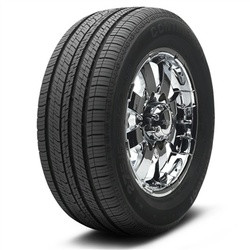
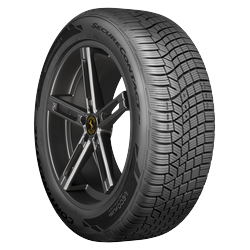

Popular everyday choices include the Continental ProContact TX and ProContact GX touring tires, the sportier ProContact RX, and the wet-focused SecureContact AW. Truck and crossover drivers often consider the Conti4x4Contact, and the ContiProContact remains a familiar OE-style option.
Frequently Asked Questions
Can I just run all-season tires in winter?
In mild or lightly snowy climates, yes — all-seasons include light-snow capability. But on sustained ice and packed snow, a dedicated winter tire stops shorter and grips better, so heavier-snow regions benefit from a seasonal winter set.
Do I need four winter tires or just two?
Four is strongly recommended. Mixing two winter and two all-season tires creates uneven grip front-to-rear, which can cause unpredictable handling in a slide.
Why do winter tires wear out faster?
Their soft, cold-optimized compound is designed to stay flexible in freezing temperatures. In warm weather that same softness wears more quickly, which is why winter tires are meant to be removed once temperatures stay mild.
Are winter tires more expensive than all-seasons?
Not necessarily per tire — winter models here run about $97 to $720, overlapping much of the all-season range. The bigger cost is owning two sets plus seasonal mounting, which is the trade-off for maximum cold-weather safety.


