
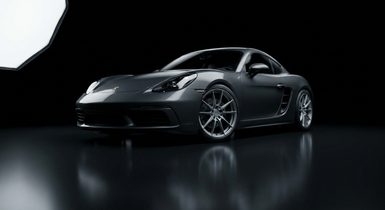
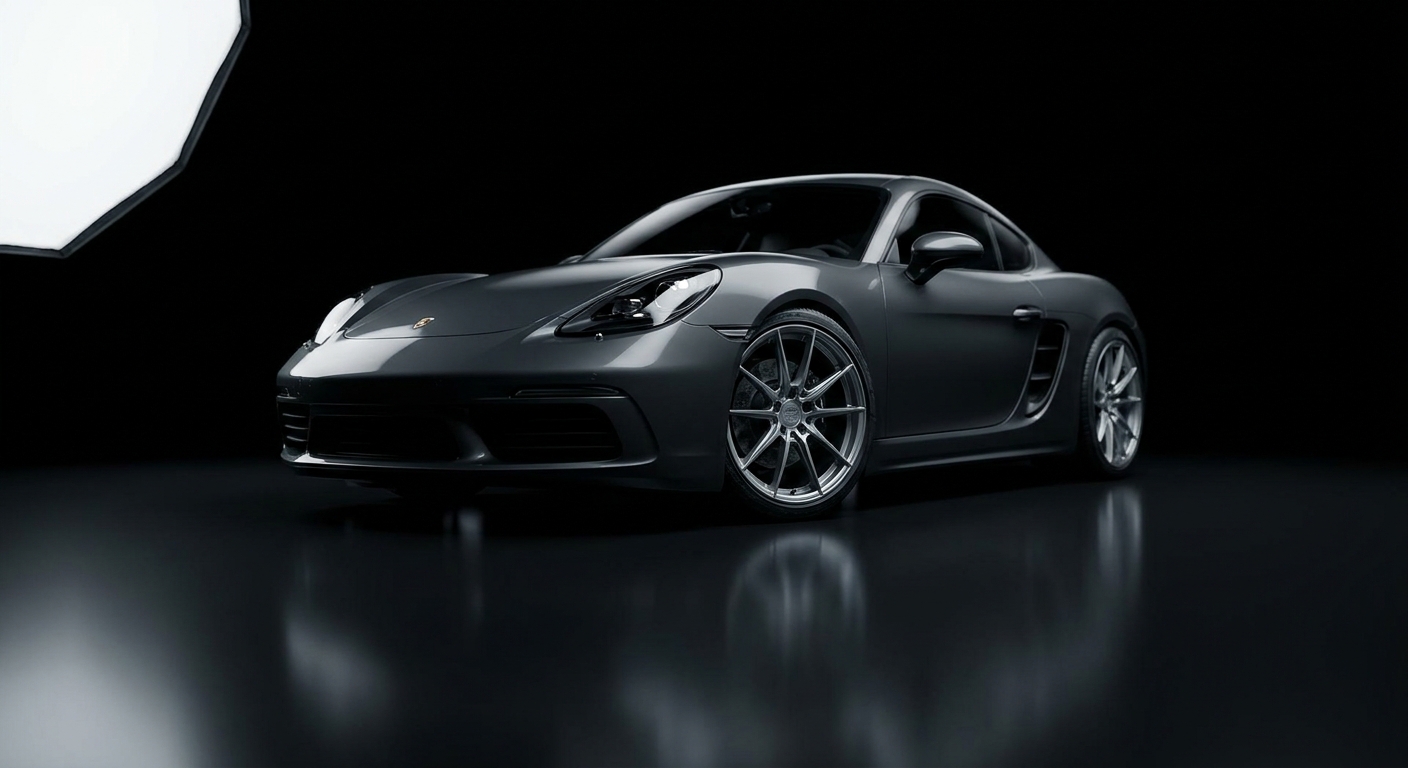
The Expensive Mistake Hiding in Porsche 718 Cayman build
Full Porsche Cayman 718 Build for Under $3,000: Wheels, Suspension, and Brakes That Actually Transform the Car
The 718 Cayman is one of the best-balanced sports cars ever built. It is also one of the easiest to ruin with the wrong modifications. Three thousand dollars spent correctly on this platform will change how the car looks, handles, and stops. Spent incorrectly, it disappears before you turn a wheel on track.
This guide covers the complete build: wheel and tire selection with exact fitment specs, suspension drop, brake upgrades, and the install order that keeps everything working together. No powertrain work — the turbocharged flat-four requires ECU tuning that alone costs $800–$1,500, which blows the budget before a single chassis part is ordered. This is a chassis and appearance build, and on the 718, that is exactly where the money belongs.
---
Quick Navigation
- Quick Answer
- Key Takeaways
- Budget Allocation
- Wheels: Apex EC-7, Fitment Specs, and What to Avoid
- Stock vs. Build Fitment: Exact Sizes
- Tires: Michelin Pilot Sport 4S and the Budget Alternative
- Suspension: H&R Sport Springs and the PASM Constraint
- Brakes: Pads and Fluid
- Install Order
- What This Build Does Not Fix
- Bottom Line
Quick Answer
A 2017–2019 Porsche 718 Cayman (982 chassis, 2.0T or 2.5T) built with Apex EC-7 wheels, Michelin Pilot Sport 4S tires, H&R Sport Springs, and Hawk HPS 5.0 brake pads comes in at $3,086–$3,880 depending on tire choice and shipping. Substituting Hankook Ventus S1 Evo 3 tires saves approximately $200 and brings the build under $3,000. Every dollar in this build goes to the chassis — which is where the 718 rewards investment most.
---
Key Takeaways
- Wheels and tires consume the largest share of the budget — roughly $1,100–$1,400 — and deliver the biggest combined visual and performance return.
- The 718's 5x130 bolt pattern is Porsche-specific. Every wheel order must confirm this pattern; it is not shared with most other platforms.
- PASM compatibility is non-negotiable. The 718 S runs factory electronic dampers. Any suspension upgrade must work with the OEM struts — coilovers that replace the strut entirely start at $1,800 and are outside this budget.
- Alignment is not optional after a spring swap. Skipping it destroys a $900 tire set in under 10,000 miles.
- Verify every wheel fitment at ThreePiece.us before ordering. The 718 S front Brembo calipers create clearance constraints that vary by wheel model and offset.
---
Budget Allocation
| Category | Low | High |
|---|---|---|
| Pre-build maintenance | $200 | $400 |
| Wheels (4) | $1,140 | $1,280 |
| Tires, mounted and balanced | $860 | $1,020 |
| H&R Sport Springs | $280 | $340 |
| Hawk HPS 5.0 pads (front + rear) | $160 | $200 |
| Motul RBF 660 brake fluid | $36 | $50 |
| Maxton Design front lip | $120 | $160 |
| Four-wheel alignment | $140 | $180 |
| Shipping, taxes, contingency | $150 | $250 |
| Total | $3,086 | $3,880 |
This build assumes the owner handles wheel swaps, brake pad installs, and cosmetic work themselves. Paying a shop for spring installation adds $200–$350 but is worth it if you have no experience with spring compressors. A full shop labor bill for everything adds $400–$800 and breaks the budget.
---
Wheels: Apex EC-7, Fitment Specs, and What to Avoid
**Primary recommendation: Apex Wheels EC-7
- Construction: Flow-formed monoblock
- Sizes: 20x9 ET42 front, 20x10 ET45 rear
- Finish: Satin Black or Anthracite
- Bolt pattern: 5x130
- Hub bore: 71.6mm (718 Cayman hub bore — verify or use hub-centric rings)
- Price: $285–$320 per wheel, approximately $1,140–$1,280 for a set of four
The EC-7 is the most community-validated aftermarket wheel in the Porsche space. It is hub-centric, TPMS-compatible, and flow-formed to keep unsprung weight competitive with OEM — critical on a mid-engine chassis where unsprung weight directly affects handling balance. The 5x130 fitment is confirmed without adapters.
Alternative: Enkei RPF1 in 5x130
- Price: $185–$220 per wheel, saving roughly $250 over the Apex set
- Lighter than the EC-7 in some configurations
- The 5x130 pattern is uncommon enough that availability in the correct offsets requires careful verification before ordering
What to avoid: replica wheels in 5x130. The pattern's relative rarity means replicas in this bolt circle are often produced to lower tolerances than replicas in common patterns. Hub bore inconsistencies cause vibration that is impossible to resolve without replacing the wheels. On a car with the 718's steering precision, any vibration is immediately felt.
---
Stock vs. Build Fitment: Exact Sizes
Factory fitment (base 718 Cayman, 2017–2019):
- Front: 19x8 ET57 with 235/40ZR19
- Rear: 19x9.5 ET49 with 265/40ZR19
- Some base cars shipped with 18-inch wheels
Factory fitment (718 Cayman S):
- Front: 20x8.5 ET57 with 235/35ZR20
- Rear: 20x11 ET76 with 265/35ZR20
This build (20-inch upgrade from a 19-inch base car):
- Front: 20x9 ET42, 235/35ZR20
- Rear: 20x10 ET45, 265/35ZR20
Moving from the factory ET57 front to ET42 pushes the wheel outward and fills the wheel arch properly with the planned 15–20mm suspension drop. The 20x10 ET45 rear is narrower than the factory S rear (20x11 ET76) but sits at a more aggressive offset that works with the H&R spring drop without requiring fender rolling.
Three fitment caveats that matter:
- 718 Cayman S front Brembo caliper clearance. The S trim's larger front Brembo requires verification against the specific wheel model at ET42. Most validated EC-7 builds clear without issue, but confirm against ThreePiece.us data for this exact wheel before ordering.
- Rear inner fender liner at full compression. With H&R Sport Springs and 265/35ZR20 rear tires on 20x10 ET45, clearance to the inner liner is minimal. Cars with significant negative camber from an aggressive alignment may contact the liner. Confirm before finalizing alignment specs.
- TPMS sensors. The 718 uses Porsche-specific TPMS sensors. Transfer OEM sensors to new wheels (requires a TPMS tool and programming) or purchase new sensors. Apex EC-7 wheels accept OEM sensor transfer. Budget $50–$100 for TPMS service.
Cross-reference every wheel, offset, and tire combination at ThreePiece.us before ordering. Their 718 Cayman fitment database includes user-submitted photos with drop height, tire size, and rubbing notes. It is the most reliable pre-purchase verification tool for this chassis.
---
Tires: Michelin Pilot Sport 4S and the Budget Alternative
Primary recommendation: Michelin Pilot Sport 4S
- Front 235/35ZR20: $185–$220 per tire
- Rear 265/35ZR20: $210–$240 per tire
- Set of four mounted and balanced: approximately $860–$1,020
The 718 Cayman was factory-optioned with PS4S tires, and community consensus is consistent — this is the best street tire for the platform. It delivers genuine track-day capability without sacrificing daily comfort. In wet conditions, it outperforms the Continental SportContact 6, which matters across most of North America and Europe. A fresh PS4S set on a 718 with aged OEM rubber is the single most transformative modification in terms of immediate driving feel.
**Budget alternative: Hankook Ventus S1 Evo 3
- Approximately 25–30% cheaper than PS4S
- Competitive dry grip
- Noticeable wet-weather gap versus PS4S
- Acceptable for a daily-driven build in a dry climate; not recommended for track use or wet climates
- Saves approximately $200 and is the lever that brings this build under $3,000
Mounting and balancing runs $20–$30 per wheel at most shops — add $80–$120 to the tire line item.
---
Suspension: H&R Sport Springs and the PASM Constraint
Primary recommendation: H&R Sport Springs
- Part number: 29012-1 (718 Cayman 2017+, verify by trim)
- Drop: 15–25mm front, 10–20mm rear
- Price: $280–$340
H&R Sport Springs work with the factory PASM struts, which is the critical constraint on this platform. PASM (Porsche Active Suspension Management) is standard on the S trim and optional on the base. Coilovers that replace the strut entirely require either disabling PASM or purchasing PASM-compatible coilover units starting at $1,800 — outside this budget. H&R springs drop onto the OEM strut and preserve full PASM function.
The drop is visually meaningful at 20-inch wheel fitment: it fills the wheel wells correctly and removes the factory ride height gap that makes the 718 look slightly tall for its proportions. Community members report approximately 10–15% reduction in body roll and noticeably sharper turn-in compared to stock.
**Alternative: Eibach Pro-Kit Springs
- Price: $220–$270
- Drop: approximately 10–18mm depending on trim
- Slightly less aggressive drop, subtler visual result, but community-validated
**Next step if budget expands: KW Variant 1 Coilovers
- Price: $1,600–$1,900
- PASM-compatible, ride-height adjustable
- The correct upgrade path after this build if adjustability becomes a priority
---
Brakes: Pads and Fluid
Front pads: Hawk HPS 5.0
- Part number: HB711B.661 (718 Cayman front — verify by trim, S uses larger Brembo calipers with different pad geometry)
- Price: $90–$110 per axle set
Rear pads: Hawk HPS 5.0
- Part number: HB544B.628 (verify by trim and year)
- Price: $70–$90 per axle set
The HPS 5.0 works cold — it delivers proper initial bite from the first stop of the day without requiring heat. Full track compounds like the EBC Yellowstuff require operating temperature to function correctly; on a street-driven 718, that means reduced bite at every cold traffic stop. The HPS 5.0 is the correct compound for a street car with occasional track use.
**Brake fluid: Motul RBF 660
- Price: $18–$25 per liter (two liters for a full flush)
- Dry boiling point: 617°F
- Wet boiling point: 400°F
- Significantly exceeds DOT 4 minimums and is the community standard for street/track use on the 718
Total brake budget: $196–$260
---
Install Order
Sequence matters. Do this in order:
- Maintenance first. Fluid flush, spark plugs if at 30,000+ miles, wheel bearing inspection. If the car hums at highway speed, diagnose the bearing before lowering — a bearing replacement runs $300–$500 per corner and must happen before any suspension work.
- Brake pads and fluid. Install before any suspension changes. Bed the new pads on the stock suspension with progressive hard stops from 60 mph on a quiet road. This establishes a controlled baseline.
- Wheels and tires. Mount and balance tires, install the new wheel package, and drive 50–100 miles on the stock suspension. Confirm no rubbing, verify TPMS function, and check overall fitment before lowering the car.
- Springs. Install H&R Sport Springs. This is a 3–5 hour job for an experienced DIYer with a spring compressor. If you have no experience with spring compressors, pay a shop $200–$350 for this step.
- Alignment. Immediately after the spring install. Do not drive more than necessary to reach the alignment shop. Request a performance spec: approximately -1.0 to -1.5 degrees negative camber front improves cornering without accelerating tire wear. A four-wheel alignment runs $120–$180.
- Cosmetics. The Maxton Design front lip and any badge work can happen at any point and do not depend on other modifications.
---
What This Build Does Not Fix
Be clear-eyed about the remaining gaps after this build:
- Power. The 2.0T base engine produces 300 hp stock and 300 hp after this build. The correct next step for power is an ECU tune ($800–$1,500) plus supporting hardware — a separate project entirely.
- Sound. The 718 flat-four remains acoustically uninspiring. An aftermarket exhaust runs $1,200–$2,500 and does not solve the fundamental tone character without a corresponding tune. There is no budget solution here.
- Sustained track braking. Hawk HPS 5.0 pads handle street use and occasional track days. Sustained track sessions at pace require a dedicated track compound (Hawk DTC-60, Carbotech XP8) and track tires.
- Suspension adjustability. Springs are fixed-rate and fixed-height. Changing the drop later means replacing the springs. That is the long-term argument for KW Variant 1 coilovers as the next upgrade.
---
Bottom Line
A 718 Cayman on Apex EC-7 wheels in Satin Black, dropped 15–20mm on H&R Sport Springs, wearing Michelin Pilot Sport 4S tires and Hawk HPS 5.0 pads looks and drives like a factory GT specification car. The wheel wells fill correctly. The ride height gap disappears. The chassis does what Porsche engineered it to do, but on tires and geometry that are actually appropriate for the car's capability.
Hit the low end of this budget by choosing Hankook Ventus S1 Evo 3 tires over the PS4S — that single swap saves $200 and brings the total under $3,000. Verify every wheel fitment at ThreePiece.us before ordering. Do not skip the alignment. Everything else in this guide is the correct sequence to get there.