
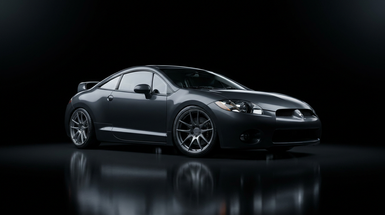
Mitsubishi Eclipse GSX build under $8000: The Truth Nobod...
Complete Mitsubishi Eclipse GSX Build Guide: $8,000 Budget Breakdown
Building a proper Mitsubishi Eclipse GSX doesn't require a trust fund. With $8,000 and smart part selection, you can transform a tired GSX into a 300-horsepower street weapon that handles corners and turns heads.
Quick Navigation
- Quick Answer
- Key Takeaways
- Budget Allocation Strategy
- Essential Maintenance Prerequisites
- Engine Performance Components
- Suspension and Handling Upgrades
- Wheel and Tire Setup
- Brake System Upgrades
- Installation Order and Timeline
- Common Mistakes to Avoid
- Expected Performance Results
- Bottom Line
Quick Answer
An $8,000 Eclipse GSX build delivers 280-320 wheel horsepower through proven 4G63T modifications: 16G turbo upgrade, front-mount intercooler, exhaust system, suspension overhaul, and proper wheel/tire setup. Prioritize maintenance first, then power modifications, suspension, and appearance upgrades.
Key Takeaways
- Target realistic power: 280-320whp is achievable and reliable with supporting modifications
- Maintenance comes first: Timing belt, turbo inspection, and cooling system refresh prevent expensive failures
- Budget allocation: 35% engine performance, 20% maintenance, 20% suspension, 15% wheels/tires
- Proven upgrade path: 16G turbo, front-mount intercooler, standalone engine management, quality suspension
- Wheel fitment: 17x8 +35 with 225/45R17 provides optimal performance without modifications
Budget Allocation Strategy
Total Budget: $8,000
- Maintenance and Reliability (20% - $1,600): Timing belt service, turbo rebuild, fuel system refresh, cooling system
- Engine Performance (35% - $2,800): Turbo upgrade, intercooler, exhaust, engine management, fuel delivery
- Suspension and Handling (20% - $1,600): Coilovers, sway bars, bushings, alignment
- Wheels and Tires (15% - $1,200): Quality wheel and tire combination
- Brakes (5% - $400): Upgraded pads and stainless lines
- Cosmetics (5% - $400): Interior and appearance items
Essential Maintenance Prerequisites
Before touching performance modifications, address these critical maintenance items on high-mileage 4G63T engines:
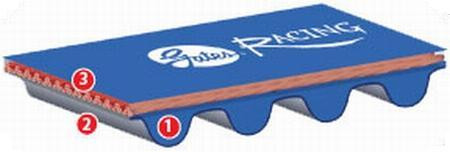
Timing Belt Service ($500): The 4G63T is an interference engine. Include timing belt, water pump, tensioner, and idler pulleys.
Turbo System Inspection ($600): Original TD05 turbos frequently develop shaft play or oil leaks by 200k miles. Budget for rebuild or 16G upgrade.
Fuel System Baseline ($300): Replace fuel filter, inspect fuel pump operation, test injectors. Original 450cc injectors handle moderate power levels.
Cooling System Refresh ($200): Replace radiator if original, flush system, replace thermostat. The 4G63T runs hot and cooling neglect kills head gaskets.
Engine Performance Components
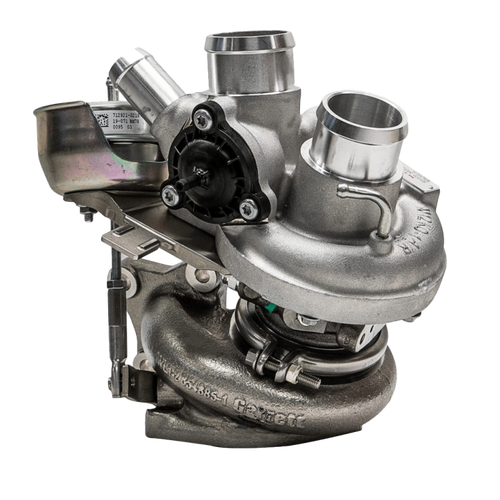
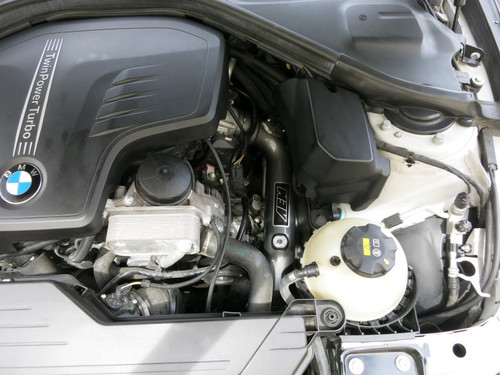

Mitsubishi 16G Turbo ($800): Best value upgrade from stock TD05. Flows enough for 300+ wheel horsepower while maintaining excellent spool characteristics. Sources include JunkYard Dog rebuilds ($800-900) or used units from DSM forums ($500-700). Avoid Chinese copies.
CXRacing Universal FMIC Kit ($400): Generic 24x12x3 bar and plate intercooler with 2.5" piping delivers 80% of name-brand performance at 40% of the cost. Expect minor fitment issues requiring modifications.
TRD 3" Turbo-Back Exhaust ($600): Complete system includes high-flow catalytic converter, resonator, and muffler. Aggressive but not obnoxious sound quality with DIY installation saving $200-300.
AEM EMS-4 or Megasquirt 3 ($500)**: Standalone engine management is essential for safe power increases. AEM EMS-4 offers plug-and-play installation. Megasquirt 3 requires more technical knowledge but provides superior flexibility. Budget additional $400 for professional tuning.
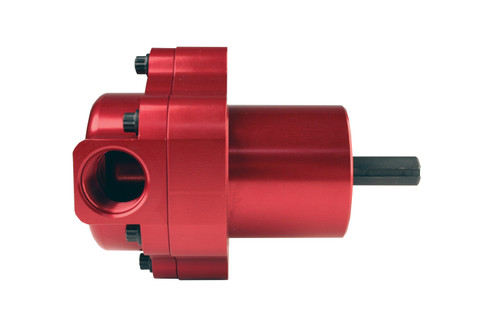
Walbro 255lph High-Pressure Pump ($150)**: Direct replacement supporting up to 400 wheel horsepower. Pair with 560cc injectors ($250) for power levels above 280whp.
Suspension and Handling Upgrades

Raceland Ultimo Coilovers ($450): Budget coilover option dramatically improving handling over worn stock suspension. Features 32-way damping adjustment and ride height adjustability. Alternative: Tein Street Basis ($700) for improved quality.
Progress Technology Sway Bar Set ($320): Front bar is 25mm vs stock 22mm, rear is 19mm vs stock 16mm. Significantly reduces body roll and improves turn-in response.
Energy Suspension Master Bushing Set ($200): Complete polyurethane kit improves suspension geometry and reduces deflection. Increases noise and harshness but dramatically improves handling precision.
DC Sports Front Strut Bar ($100): Simple bolt-on modification reducing chassis flex under cornering loads while maintaining suspension geometry.
Wheel and Tire Setup
Recommended Fitment: 17x8 +35 with 225/45R17
This sizing provides optimal balance of performance, appearance, and practicality for the Eclipse platform. The +35 offset positions wheels properly within fender wells while maintaining adequate clearance.
Wheel Options:
- Enkei RPF1 Replicas 17x8 +35 ($500 used)**: Lightweight flow-formed construction with excellent fitment
- Rota Grid 17x8 +35 ($600 new)**: Quality replica with proven durability
- Konig Hypergram 17x8 +35 ($700 new)**: Flow-formed construction with aggressive styling
Tire Recommendations:
- Federal 595 RS-RR 225/45R17 ($550): Semi-slick compound with excellent dry grip at budget pricing. 200 treadwear rating provides reasonable street manners
- Falken Azenis RT615K+ ($600): Improved wet weather performance with similar dry grip
- Continental ExtremeContact Sport ($700): Best daily driving option with excellent all-weather capability
Alternative Sizing:
- 18x8 +35 with 225/40R18: Improved appearance, reduced tire selection, harsher ride
- 17x9 +30 with 245/40R17: Maximum grip potential, requires fender modifications
- 16x8 +35 with 225/50R16: Budget option with excellent tire selection
Brake System Upgrades
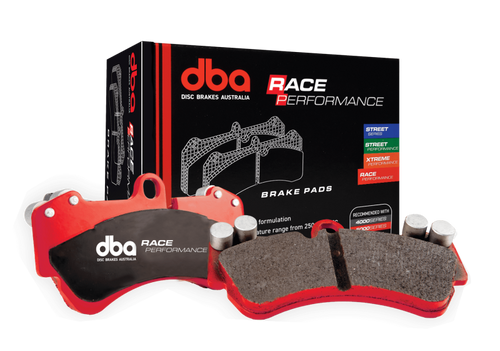
Hawk HPS Brake Pads ($160)**: Significant improvement over stock pads with better heat resistance and stopping power. Minimal dust and noise compared to track-focused compounds.
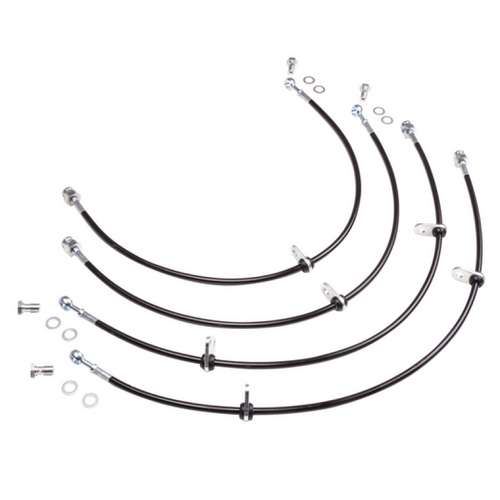
Goodridge Stainless Steel Brake Lines ($100)**: Eliminates brake line expansion under pressure, providing firmer pedal feel and improved modulation. Direct replacement for stock rubber lines.
Installation Order and Timeline
Phase 1 - Maintenance (Week 1-2): Complete timing belt service, cooling system refresh, fuel system inspection, and turbo evaluation before performance modifications.
Phase 2 - Engine Performance (Week 3-4): Install fuel pump and injectors, intercooler, exhaust system, turbo upgrade, engine management, then professional tuning.
Phase 3 - Suspension (Week 5): Install coilovers, sway bars, bushings, and strut tower brace independently of engine work.
Phase 4 - Final Assembly (Week 6): Mount wheels and tires, install brake components, complete professional alignment, and add cosmetic items.
Common Mistakes to Avoid
Cheap Turbo Upgrades: No-name Chinese turbos frequently fail within months and cause expensive engine damage. Stick to proven Mitsubishi turbos or quality rebuilds.
Skipping Professional Tuning: Running modifications without proper tuning destroys engines. The stock ECU cannot compensate for increased airflow from turbo and intercooler upgrades.
Wrong Wheel Offset: Incorrect offset causes rubbing, poor handling, and premature suspension wear. Research fitment thoroughly and purchase from knowledgeable vendors.
Ignoring Supporting Modifications: Increasing boost without upgrading fuel delivery leads to lean conditions and engine failure. Address cooling system to prevent overheating and head gasket failure.
Expected Performance Results
Power Output: 280-320 wheel horsepower (40-60% increase over stock)
Acceleration: 0-60 mph in 5.5-6.0 seconds (1.0-1.5 second improvement), quarter-mile in 13.5-14.0 seconds at 100-105 mph
Handling: Dramatically improved cornering capability, enhanced braking performance, and better pedal feel
Reliability: When properly built and tuned, this setup provides excellent daily driver reliability with weekend warrior capability
Bottom Line
An $8,000 Eclipse GSX build delivers genuine performance gains while maintaining daily driver practicality. Success depends on prioritizing maintenance, choosing proven modifications, and professional tuning. The 4G63T responds exceptionally well to moderate modifications, providing years of reliable service when built correctly. This budget represents the sweet spot between meaningful performance improvements and fiscal responsibility, creating an enthusiast car that delivers smiles per gallon without breaking the bank.