
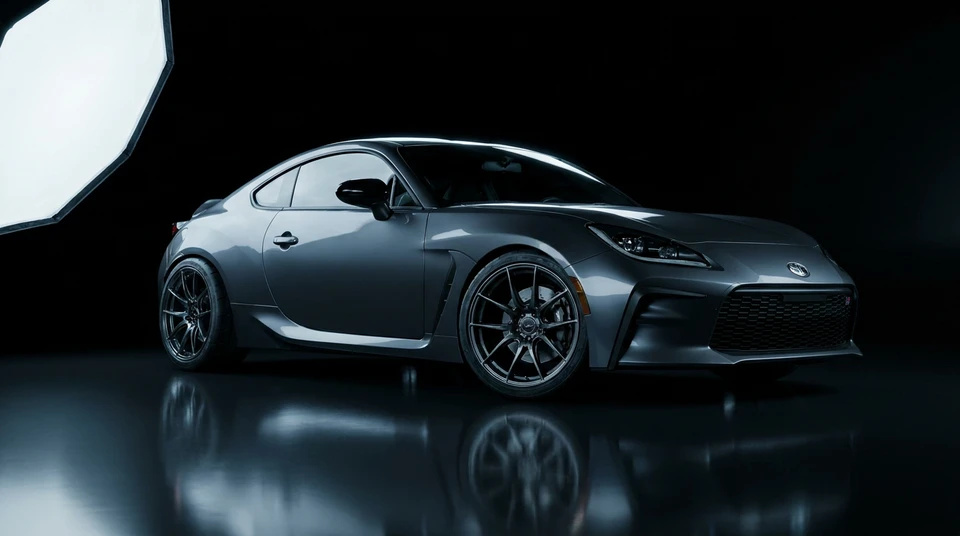
GR86 Wheel Fitment Mistakes That Will Ruin Your Car
The Toyota GR86's lightweight, balanced chassis makes it incredibly sensitive to wheel and tire changes. Get the fitment wrong, and you'll face rubbing tires, damaged fenders, poor handling, and accelerated component wear. Get it right, and your GR86 transforms into a precision instrument with that perfect flush stance.
Quick Navigation
- Quick Answer
- Key Takeaways
- Stock Wheel Specifications - Your Baseline
- Proven Aftermarket Setups
- Aggressive Fitment Limits
- Tire Selection Strategy
- Spacers and Adapters Done Right
- Suspension and Fitment Interaction
- Common Fitment Mistakes
- Who Should Buy One
- When to Skip It
- Final Verdict
Quick Answer
The GR86 uses a 5x100 bolt pattern with 56.1mm center bore. Safe aftermarket sizing ranges from 17x8 +35 to 18x9.5 +40 depending on your suspension setup. Popular proven combinations include 18x8.5 +35 with 235/40R18 for street use, or 17x9 +35 with 245/40R17 for track duty. Going beyond 9.5" width or below +30 offset requires fender modifications and camber adjustments.
Key Takeaways
- Stock specs range from 17x7 +48 (base) to 18x8 +40 (Anniversary Edition)
- Hub-centric rings are mandatory for aftermarket wheels with larger center bores
- Lowering the car gains negative camber, which helps fitment but reduces fender clearance
- Quality spacers solve minor clearance issues; avoid cheap cast wheels entirely
- Fender rolling is often necessary for flush fitments over 9" width
Stock Wheel Specifications - Your Baseline
Every GR86 uses the same 5x100 bolt pattern and 56.1mm center bore across all trims and years. The base model comes with 17x7.0" wheels at +48 offset, wearing 215/45R17 Michelin Primacy HP tires. The Premium trim upgrades to 18x7.5" +48 wheels with 215/40R18 Michelin Pilot Sport 4 tires.
The 2023 10th Anniversary Special Edition features the most aggressive factory setup: 18x8.0" wheels with +40 offset. This configuration sits roughly 8mm further outward per side, creating a more flush appearance without body modifications.
These OEM specifications establish your safe operating window. Toyota chose conservative offsets (+40 to +48) to guarantee zero rubbing under all conditions, leaving room for aftermarket improvements.
Proven Aftermarket Setups
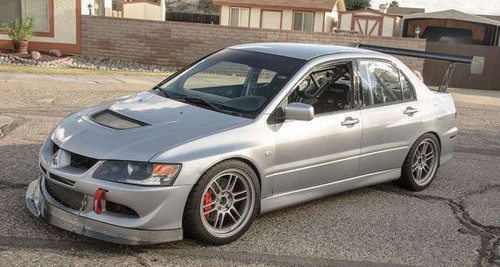
OEM+ Flush Street: 18x8.5 +35 with 235/40R18
This represents the sweet spot for most GR86 owners. The 18x8.5" width with +35 to +40 offset pushes wheels closer to flush while maintaining clearance. Popular examples include Enkei RPF1s-adventurer-5x10⁸-18x8-35-matte-black/)-rpf1-4x100-14x7-19-matte-black/) in 18x8.5 +35, which weigh just 18 pounds each.
The 235/40R18 tire size provides 20mm more width than stock while maintaining nearly identical overall diameter. This setup typically requires no modifications on stock suspension and works with mild drops up to 1 inch.
Track Performance Square: 17x9 +35 with 245/40R17
Performance-focused builds often drop to 17" diameter for lighter weight and cheaper tire options. The 17x9 +35 specification accommodates 245/40R17 tires, opening access to serious 200-treadwear track compounds like Bridgestone RE-71RS and Yokohama [Advan-wheels-rims) A052](https://www.threepiece.us/advan-wheels-rims).
This setup fits on stock suspension with minimal fender work. Many owners report success with just a slight rear fender roll and -2 degrees of camber for track use.
Aggressive Stance: 18x9.5 +35 with Stretched Tires
The upper limit for stock fenders involves 18x9.5" wheels around +35 offset. This requires stretched tires (typically 225/40R18) and significant negative camber (-3 to -4 degrees) to avoid fender contact. Fender rolling becomes mandatory, and lowered cars need careful suspension tuning.
Aggressive Fitment Limits
Without fender modifications, the GR86 maxes out around 8.5" width up front and 9" width in the rear, both at approximately +30 offset. Going wider or lower offset will poke beyond the fenders.
With proper fender rolling and -2.5 degrees camber, you can push to 9.5" width at +35 offset with 255mm tires. Beyond this requires fender pulling or over-fender kits.
The consequences of exceeding these limits include:
- Tire sidewall damage from fender contact
- Bent or cracked fender lips
- Altered steering geometry affecting handling
- Accelerated wheel bearing wear
Tire Selection Strategy
Street Performance Summer Tires
Michelin Pilot Sport 4S remains the gold standard, offering excellent dry and wet grip with 300 treadwear longevity. Continental ExtremeContact Sport 02 provides similar performance at lower cost. Firestone Firehawk Indy 500 delivers strong value for budget-conscious builds.
Track and Autocross Tires
Bridgestone Potenza RE-71RS dominates autocross with quick warm-up and consistent grip. Yokohama Advan A052 offers maximum stick but wears quickly. Falken Azenis RT660 provides excellent performance-per-dollar for track days.
All-Season Options
Michelin Pilot Sport All Season 4 handles year-round duty while maintaining sporty characteristics. Continental DWS 06 Plus excels in snow and wet conditions for true four-season use.
Spacers and Adapters Done Right

Quality hub-centric spacers solve minor clearance issues and fine-tune fitment. Brands like H&R, Eibach-ers-8-00-in-length-x-3-00-in-id-coil-over-spring-0800-300-0200s/), and Ichiba%20spacers) manufacture precision spacers with proper 56.1mm center bores.
Slip-on spacers work for thicknesses up to 8mm without requiring extended studs. Beyond that, bolt-on spacers with integrated studs provide safer installation. Always use proper torque specifications and re-check after 100 miles.
5x100 to 5x114.3 adapters open access to wheels from other platforms, typically adding 20-25mm thickness that effectively reduces offset.
Suspension and Fitment Interaction

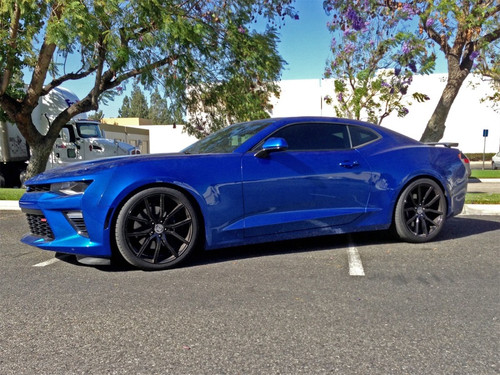
Lowering the GR86 automatically increases negative camber due to MacPherson strut geometry. This camber gain helps tuck wheels under fenders but reduces overall clearance on compression.
Lowering springs provide cost-effective drops around 1 inch while maintaining stock shock dimensions. Popular options include Eibach Pro-Kit and RCE Yellow springs.
Coilovers offer adjustable height, damping, and often front camber plates. They typically provide more inner clearance for wide wheels due to slimmer spring perches. Brands like KW V3, Tein Flex A, and BC Racing BR serve different performance and budget requirements.
Stiffer suspension rates limit compression travel, reducing the likelihood of fender contact during aggressive driving.
Common Fitment Mistakes
Wrong Center Bore
Many aftermarket wheels use 73.1mm bores requiring hub-centric rings to prevent vibration. Never skip these $10 rings.
Incorrect Offset Choices
Offsets below +20 typically poke beyond fenders without modifications. Offsets above +50 may contact suspension components.
Overly Stretched Tires
While mild stretch helps clearance, extreme stretching (like 215mm tires on 9.5" wheels) risks de-beading and reduces safety margins.
Cheap Replica Wheels
Budget wheels from unknown manufacturers often suffer from poor casting quality, excessive weight, and potential failure under stress. Stick to established brands with proper certifications.
Ignoring Fender Modifications
Hoping aggressive setups "might just work" without rolling fenders leads to damaged tires and bent metal. Plan modifications proactively.
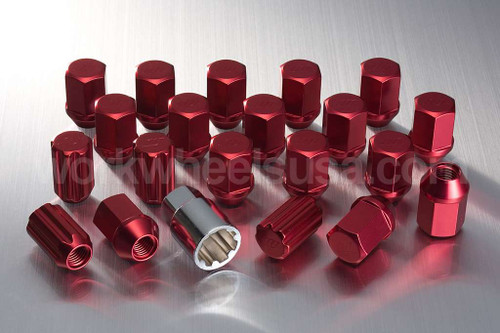
Wrong Lug Nuts
The GR86 requires 12x1.25mm conical seat lug nuts. Using incorrect thread pitch or seat angles compromises wheel security.
Who Should Buy One
GR86 owners seeking improved aesthetics and performance will benefit from wheel upgrades. The car responds exceptionally well to lightweight wheels and stickier tires, transforming handling characteristics dramatically.
Track enthusiasts should prioritize 17" setups for tire cost savings and performance benefits. Street-focused builds work well with 18" wheels for visual impact while maintaining reasonable ride quality.
Budget-conscious owners can achieve significant improvements with proven combinations like 17x8 +35 wheels and quality all-season tires.
When to Skip It
Avoid wheel modifications if you're unwilling to research proper fitment or perform necessary supporting modifications. The GR86's sensitive chassis punishes poor choices more than larger, heavier vehicles.
Skip aggressive fitments if you need maximum practicality or live in areas with poor road conditions. Stretched tires and large wheels sacrifice comfort and durability.
Don't modify wheels if you're planning other major changes like turbocharging or suspension overhauls that might affect clearance requirements.
Final Verdict
The GR86 rewards careful wheel fitment with dramatically improved looks and performance. Success requires understanding the relationship between width, offset, tire size, and suspension setup. Start with proven combinations from the community, invest in quality components, and don't skip supporting modifications like fender rolling when needed.
Whether you choose the conservative 18x8.5 +35 street setup or push toward 17x9.5 +45 track wheels, proper planning prevents the costly mistakes that can literally ruin your car. The GR86's exceptional chassis deserves wheels that enhance rather than compromise its brilliant balance.