
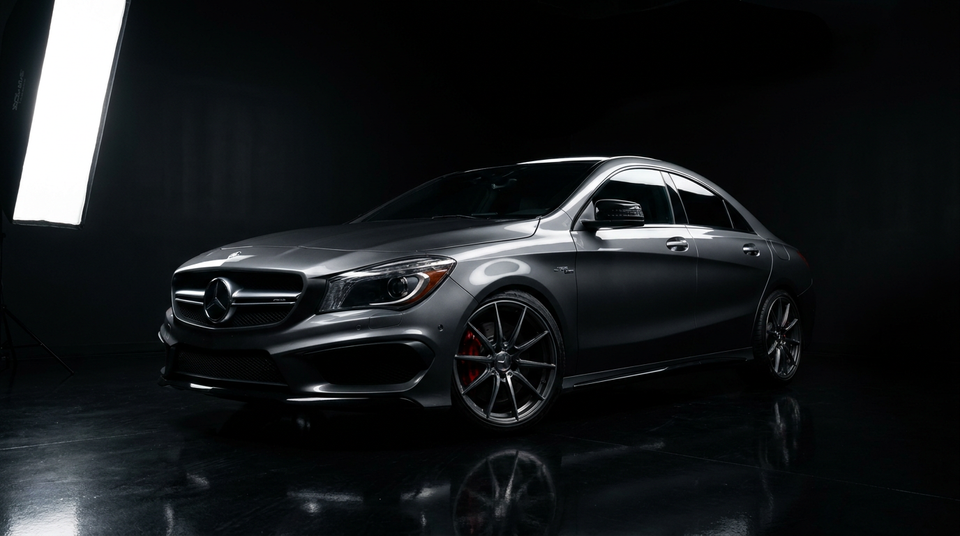
Every Mercedes AMG CLA45 Common Failure (and How to Fix Them)
The Mercedes-AMG CLA45 packs 375-415 horsepower into a compact performance package, but this engineering achievement comes with predictable ownership realities that emerge between 30,000-60,000 miles.
Quick Navigation
- Quick Answer
- Key Takeaways
- Turbocharger Failures: The $6,500 Reality
- Dual-Clutch Transmission: The Biggest Expense
- Engine Problems Beyond the Turbo
- Cooling and Heat Management Failures
- All-Wheel Drive and Suspension Issues
- Brake System and Performance Components
- Generation Differences and Reliability Patterns
- Pre-Purchase Inspection Essentials
- Bottom Line
Quick Answer
The CLA45's most expensive failures center on turbocharger wear ($4,500-6,500), dual-clutch transmission problems ($6,000-8,500), and cooling system issues ($1,500-3,500). Budget $3,000-5,000 annually for maintenance beyond warranty coverage.
Key Takeaways
- Turbocharger failures typically begin around 40,000-70,000 miles with wastegate actuator problems
- The 7G-DCT transmission shows clutch wear between 35,000-55,000 miles, especially in stop-and-go traffic
- Heat-related failures are considered "wear items" by Mercedes, leaving owners with substantial out-of-warranty costs
- Second-generation models (2020+) show early promise but lack long-term reliability data
- Shortened service intervals significantly improve component longevity
Turbocharger Failures: The $6,500 Reality
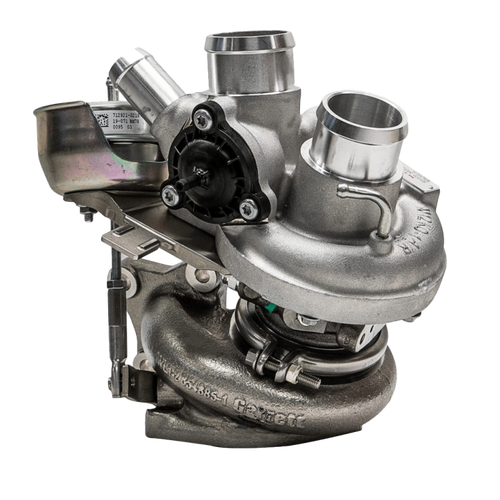
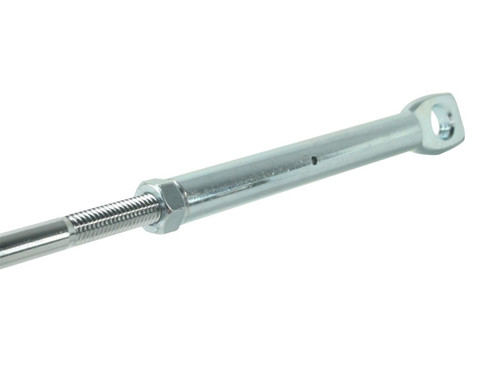
The M133 engine's twin-scroll turbocharger begins showing wear symptoms between 40,000-70,000 miles. Early warning signs include slight hesitation during acceleration from idle, oil consumption exceeding 1 quart per 5,000 miles, and subtle whistling during deceleration.
The primary failure involves the wastegate actuator sticking due to carbon buildup and heat cycling. This creates overboosting conditions that damage the compressor wheel and turbine housing. Healthy turbos maintain 21-23 PSI under full load—anything outside this range indicates problems.
Repair costs:
- Independent shops: $4,500-6,500
- Mercedes dealerships: $7,000-9,000
- M139 engines show improved durability but insufficient long-term data exists
Dual-Clutch Transmission: The Biggest Expense
The AMG Speedshift DCT 7G transmission represents the most significant long-term reliability concern. Clutch wear typically manifests between 35,000-55,000 miles, particularly in vehicles driven in stop-and-go traffic.
Watch for slight shuddering during low-speed acceleration, delayed engagement from Park to Drive, and harsh shifts between 2nd and 3rd gear. The transmission's adaptive learning initially masks these symptoms.
Prevention strategies:
- Avoid extended creeping in traffic
- Use manual mode for spirited driving
- Service transmission every 40,000 miles instead of Mercedes' 80,000-mile interval
- High-quality fluid changes cost $400-600 but significantly extend clutch life
Repair costs:
- Independent specialists: $6,000-8,500
- Mercedes dealerships: $9,000-12,000
Engine Problems Beyond the Turbo
Carbon Buildup Issues
Direct injection engines accumulate intake valve carbon deposits requiring walnut blasting every 60,000-80,000 miles at $800-1,200. Symptoms include rough cold starts, reduced power, and increased fuel consumption.
High-Pressure Fuel Pump Failures
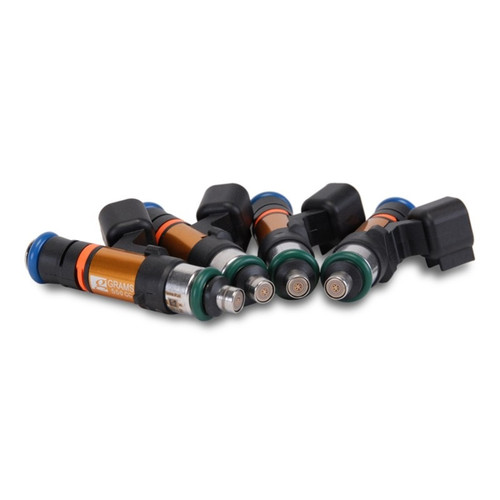
Mechanical fuel pumps fail between 50,000-90,000 miles, causing fuel starvation under load. Replacement costs $1,800-2,500, often damaging fuel injectors and adding $1,200-1,800 to repairs.
Oil System Complications
Oil pump failures occur after 80,000 miles, presenting as pressure warnings during hard cornering. Complete replacement costs $3,500-4,500. Regular 5,000-mile oil changes with approved 0W-40 synthetic significantly extend component life.
Cooling and Heat Management Failures

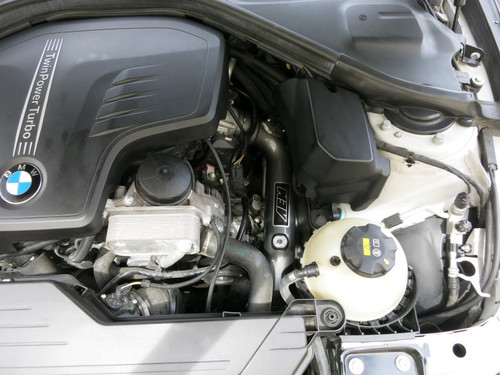

The CLA45's aggressive thermal management includes multiple heat exchangers that fail independently. The charge air cooler develops leaks around 50,000-70,000 miles, causing reduced power and higher intake temperatures.
Common cooling failures:
- Intercooler replacement: $1,500-2,200
- Complete cooling system overhaul: $2,500-3,500
- Oil cooler internal leaks: $2,200-3,200
Monitor intake air temperatures via scan tool—elevated readings indicate intercooler problems. Oil cooler failures contaminate coolant with oil, creating expensive cross-contamination repairs.
All-Wheel Drive and Suspension Issues


4MATIC+ System Problems
The rear differential and transfer case develop leaks and bearing wear after 60,000 miles. Symptoms include whining during turns, floor vibrations, and traction control activation on dry pavement.
Repair costs:
- Rear differential rebuild: $2,500-3,500
- Transfer case repair: $1,800-2,800
- Regular differential fluid changes every 30,000 miles prevent premature wear
AMG Ride Control Suspension
Adaptive dampers fail after 60,000-80,000 miles, causing uneven ride height and harsh impacts. Individual damper replacement costs $800-1,200 per corner, while complete system overhauls run $4,000-6,000.
Brake System and Performance Components
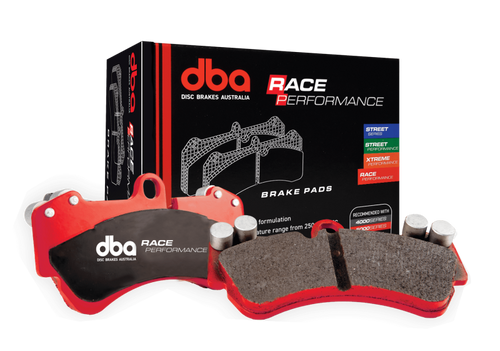
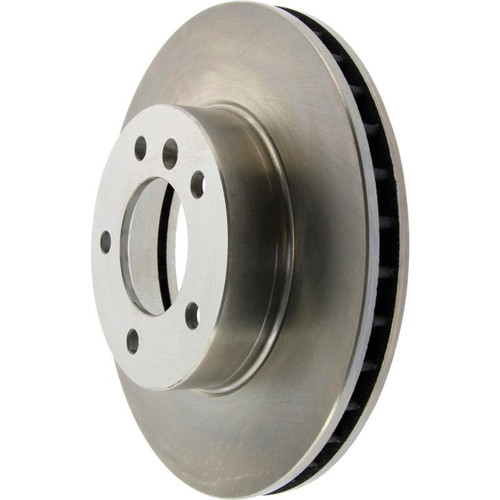
The high-performance brake system experiences accelerated wear under spirited driving:
- Front brake pads: 20,000-30,000 miles
- Rear brake pads: 40,000-50,000 miles
- Brake rotor replacement: $600-900 per axle
- Annual brake fluid changes recommended for track use
Generation Differences and Reliability Patterns
First Generation (2013-2019)
Early 2014-2015 models show higher turbocharger and transmission failure rates. The 2016 model year introduced software updates improving transmission calibration. 2017-2019 models benefit from accumulated improvements but retain fundamental design limitations.
Second Generation (2020-Present)
The redesigned CLA45 S with M139 engine shows improved thermal management and reduced early turbocharger failures. The 8G-DCT transmission appears more robust than the previous 7G unit, though long-term clutch durability remains unproven.
Pre-Purchase Inspection Essentials
Engine bay checks:
- Turbocharger inlet for oil residue
- Cooling system hoses for leaks or swelling
- Intercooler for damage or contamination
Transmission assessment:
- Test both automatic and manual modes
- Note any hesitation, harsh shifts, or delays
- Shuddering during low-speed acceleration indicates clutch wear
Scan tool analysis:
- Check all control modules for stored codes
- Monitor turbocharger operation and fuel system pressure
- High transmission adaptation values indicate component wear
Bottom Line
The Mercedes-AMG CLA45 delivers genuine performance thrills but demands realistic expectations about maintenance costs. Budget $3,000-5,000 annually beyond warranty coverage, with major repairs like turbocharger and transmission work reaching $6,000-8,500.
First-generation models now offer good value for informed buyers willing to address known issues proactively. The car rewards careful maintenance and moderate driving but punishes aggressive use or deferred service with expensive consequences.
Ideal for enthusiasts with performance car experience and access to qualified independent service. Those prioritizing reliability should consider alternatives like the Golf R or Audi S3, which offer similar performance with more predictable ownership costs.