

Drag Radials vs Street Tires: How to Choose
If you drive to work, run errands, and see rain or the occasional cold snap, a street tire is the right call — it balances grip, tread life, wet safety and comfort for everyday miles. Drag radials are a specialist tool built for straight-line launch traction at the strip, not for daily commuting, cornering, or wet weather. The single deciding factor is simple: how much of your driving is real-world street versus quarter-mile launches. If more than a small fraction is public roads, choose a street tire.
Drag Radials explained
A drag radial is a DOT-legal drag tire built with a soft, sticky compound and a flexible sidewall designed to "wrinkle" and plant power at launch. The tread has minimal grooving to maximize the rubber touching the pavement off the line. That construction is what makes them hook hard when you drop the clutch or leave the line — and also what makes them a poor fit for cornering loads, standing water, and long tread life. Enthusiast discussions note drag radials give better straight-line traction than a standard radial while remaining street legal, but they won't fully "dead hook" like a slick.
Who it's for
Weekend racers and high-horsepower muscle and pony cars that need to put power down at the strip, with occasional low-speed street use to and from the track.
Street explained
Street performance tires — high- and ultra-high-performance summer and all-season designs — are engineered to do many jobs at once: dry and wet grip, cornering stability, reasonable noise and ride comfort, and a usable tread life. They use harder, more durable compounds than a drag radial and full tread patterns with grooves and siping that channel water and (on all-season versions) bite in light snow. That versatility is the trade-off: they won't match a soft drag compound's raw launch bite, but they're safe and predictable in the conditions you actually meet on the road.
Who it's for
Daily drivers, sport sedans, coupes and crossovers, and anyone who wants year-round or three-season capability from a single set.
Head-to-head
Dry grip
Drag radials win in a straight line off the line thanks to that soft, tacky compound. For cornering and braking, a good ultra-high-performance street tire is more composed and confidence-inspiring.
Wet grip
Street tires win clearly — grooves and siping evacuate water, while a drag radial's shallow, low-void tread is prone to hydroplaning and offers little wet traction.
Winter & snow
Neither is a winter tire. All-season street options like the Ironman iMOVE GEN 2/3 AS or Pirelli Scorpion Verde All Season handle light cold-weather and slush duty; drag radials should be parked when it's cold or icy.
Tread life
Street tires last far longer. Soft drag compounds wear quickly, especially in daily use.
Noise & comfort
Street tires are quieter and smoother; drag radials trade refinement for launch performance.
Price
Drag radials generally run from about $172 up to roughly $682 depending on size. Street tires span a wider range — roughly $61 to over $1,250 — because the category covers everything from value all-seasons to premium max-performance rubber.
Which should you buy?
If you live where it rains or gets cold and this is your only set of tires, choose a street tire — most likely an all-season if you see winter, or a summer UHP if you don't. If you own a dedicated or mostly-track car, run a strong street tire for the road and swap on drag radials for strip days. High-horsepower rear-drive owners who struggle to hitch up at launch may benefit most from drag radials, but keep them off wet and cold roads. When in doubt, versatility wins for a single-set driver; these are general guidelines, so match the final choice to your climate and how the car is actually used.
Our top Drag Radials
Shop Drag Radials at ThreePiece
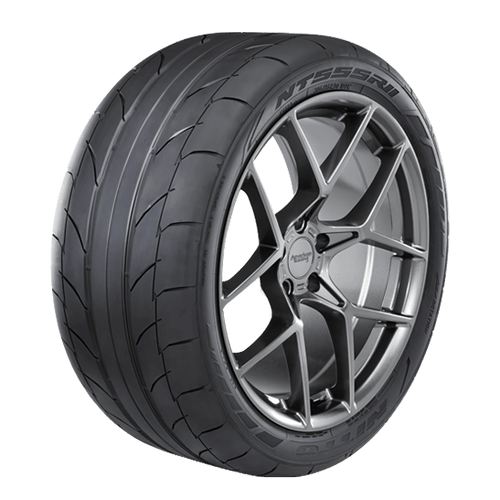
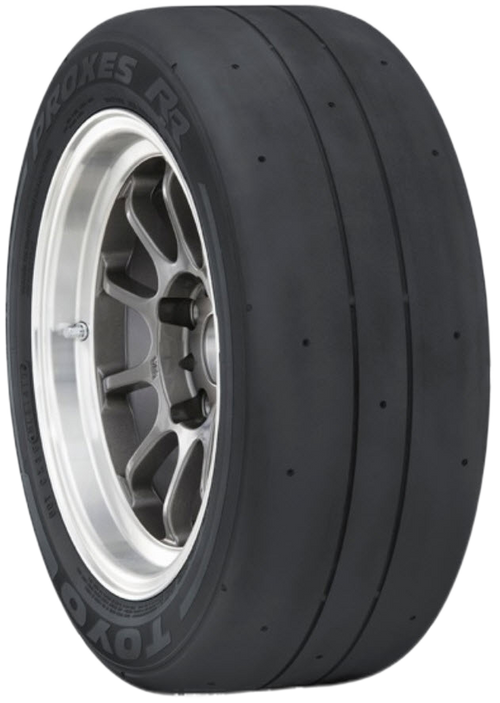

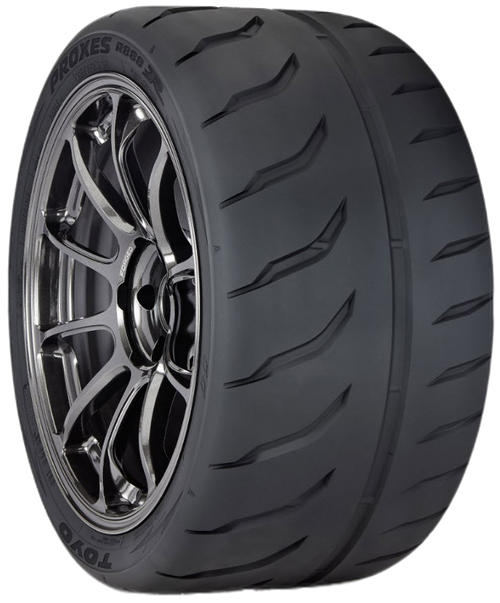
Popular options include the Nitto NT555RII P275/50R15, the Toyo Proxes RR 225/45ZR15, the Toyo Proxes TQ Drag P255/50R16, and the track-focused Toyo Proxes R888R 205/60R13. Browse the full drag radials selection to match your wheel size.
Our top Street
Shop Street at ThreePiece
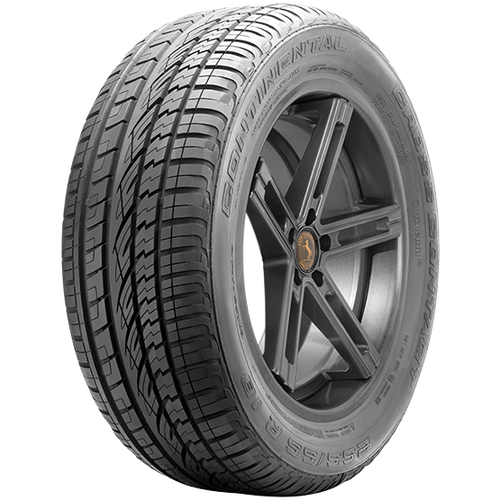


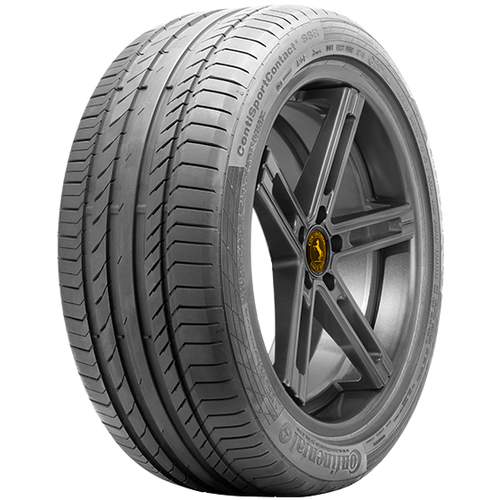
For everyday and performance street use, consider the Continental ExtremeContact Sport 02 205/45R16XL, the Continental ContiSportContact 6 275/30ZR20XL, the Continental ContiSportContact 5 235/50R18, and the crossover-friendly Continental ContiCrossContact UHP 235/55R19XL. Other names to know are the Pirelli P-Zero (PZ4), Nitto NT555 G2, Toyo Extensa HP II and Falken Azenis FK510. See the whole street performance range, or start from the all tires hub.
Frequently Asked Questions
Are drag radials street legal?
Yes — drag radials carry a DOT rating and are legal for road use, which is a key advantage over true slicks. That said, they're built for launch traction, not for safe wet or cold-weather driving.
Can I daily drive on drag radials?
You can, but it isn't ideal. Their soft compound wears fast, wet grip is limited, and they're best reserved for the track with light street use getting there and back.
Which is better in the rain?
Street tires, without question. Their grooved, siped tread channels water away, while a drag radial's low-void pattern gives little wet traction.
Do I need winter tires instead?
Neither drag radials nor summer street tires are made for snow and ice. If you face real winters, run a dedicated winter tire in the cold months or choose an all-season street tire for lighter conditions.