

Best Leveling Kits for the Toyota 4Runner (2010-2024)
The 5th-gen 4Runner sits stock with a factory rake — nose low, tail high — engineered for payload that most owners never actually carry. That rake costs you clearance, tire fitment options, and aesthetics all at once. A leveling kit corrects the geometry, lets you run a larger tire up front without rubbing, and depending on what you choose, can meaningfully improve ride quality over stock. The range here spans from basic coil spacers to full replacement strut assemblies with adjustable preload — and the right choice depends entirely on whether you're daily driving pavement, wheeling Moab, or towing with a load in the bed. Here's what's worth your money.
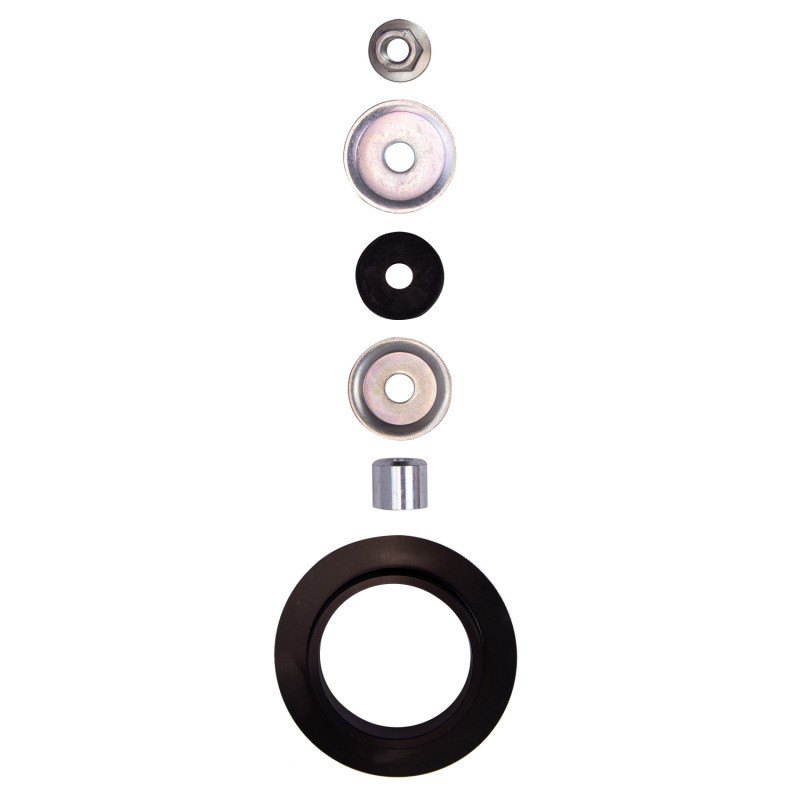
Quick links
- 1. Bilstein B8 6112 Front Suspension Kit
- 2. Camburg Dominator Preload Spacer Kit
- 3. Eibach Load-Leveling System (0–200 lbs)
- 4. Eibach Load-Leveling System (200–400 lbs)
- 5. Eibach Load-Leveling System (Standard)
- 6. Rancho Quick Lift Rear Spacer Kit
- 7. Eibach Rear Bump Stop Sub-Assembly
- How to choose
- FAQ
1. Bilstein B8 6112 10-22 Toyota 4Runner Front Suspension Kit
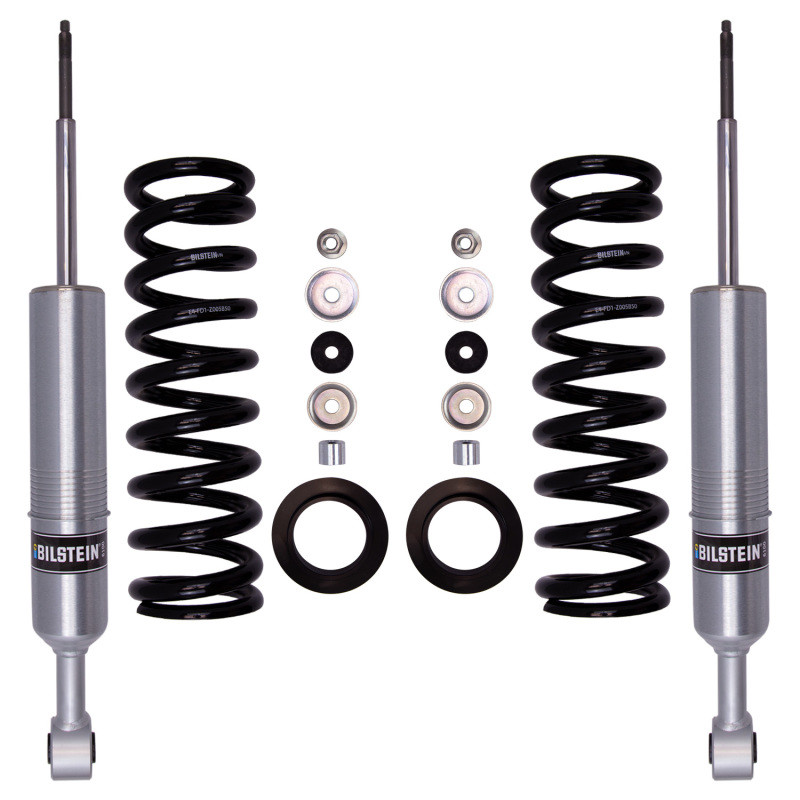
Bilstein B8 6112 Front Suspension Kit — $923
This is the best all-in-one front leveling solution for the 5th-gen if you're serious about the platform. The B8 6112 replaces the entire front strut assembly with Bilstein's monotube damper and an adjustable perch that lets you dial in lift height — typically 0–2.5 inches depending on preload setting. You're not stacking a spacer on top of a worn stock strut; you're starting fresh with a damper that's meaningfully better off-road and on. For owners who wheel regularly or want a setup they won't revisit in two years, this is the only front kit on this list that justifies its price unconditionally. Also fits the Lexus GX460 for anyone running the platform in badge-swapped form.
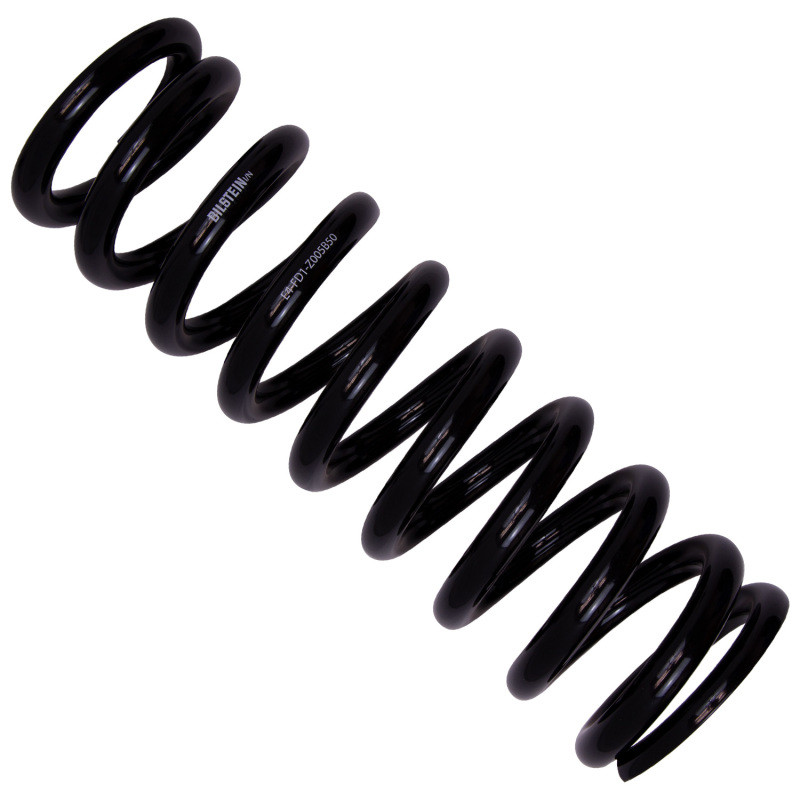
2. Camburg Dominator Preload Spacer Kit (03-24 Toyota 4Runner)
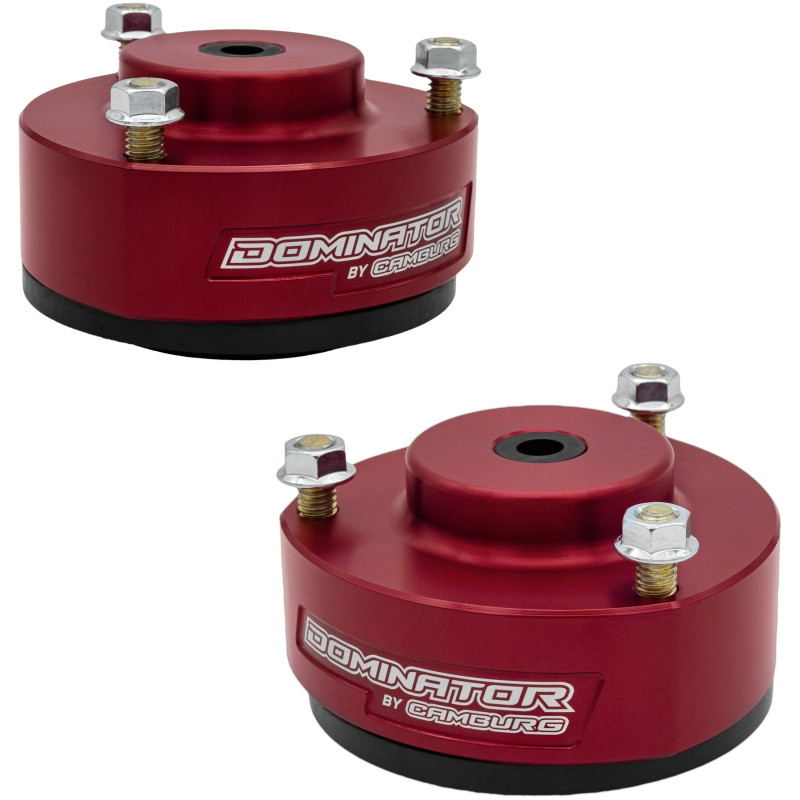
Camburg Dominator Preload Spacer Kit — $416
Camburg doesn't get discussed enough in 4Runner circles because the brand skews more Tacoma-focused in marketing, but the Dominator kit is genuinely well-engineered for this chassis. It's a preload collar spacer that works with the existing factory strut — meaning you retain the OEM damper valving while adjusting ride height and correcting the front rake. The CNC-machined billet construction is what separates it from cheap strut spacers; this isn't a glorified puck. At $416 it sits in a smart middle-ground: better execution than the basic spacer kits, without the full replacement cost of the Bilstein. If your stock struts are in good shape and you want level geometry and a bit more front travel, this is the move.
3. Eibach Load-Leveling System — 0-200 lbs (2010-2020 4Runner)
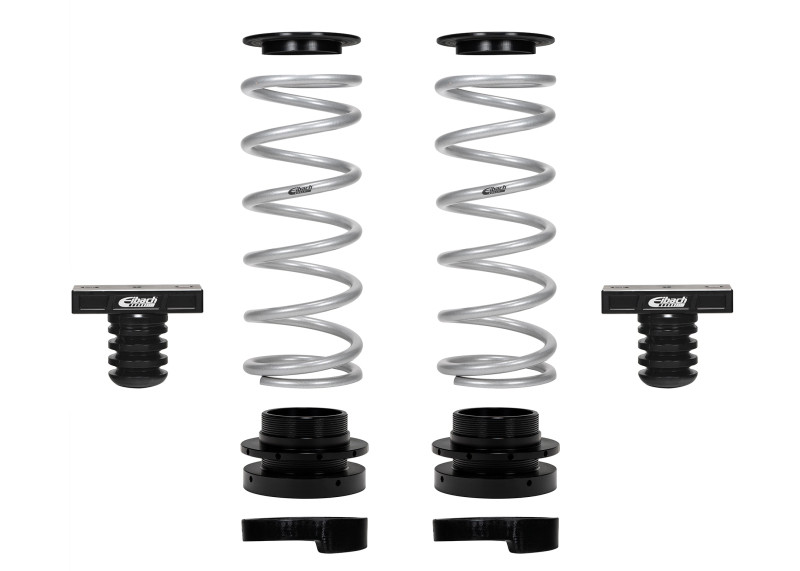
Eibach Load-Leveling System (0–200 lbs) — $565
Eibach's load-leveling kits for the 4Runner are rear-focused solutions designed to correct sag and restore level ride height when lightly loaded — roof tents, gear, a second row of passengers. This variant is rated for 0–200 lbs of additional load and is the right choice for owners who primarily drive unladen or carry light camping equipment. Eibach's auxiliary spring design works in tandem with the factory rear suspension rather than replacing it, which keeps the unloaded ride compliant while adding support when you need it. Build quality is German-engineered and consistent — no surprises after 50,000 miles.
4. Eibach Load-Leveling System — 200-400 lbs (2010-2020 4Runner)
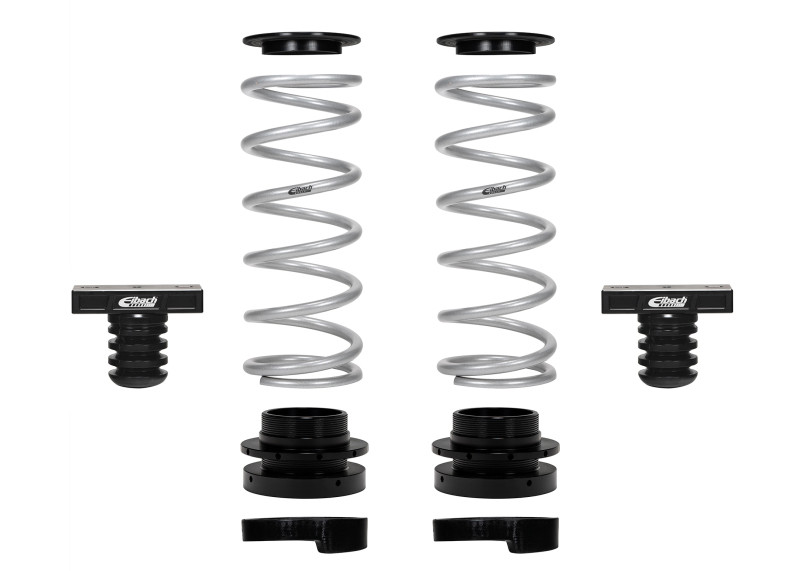
Eibach Load-Leveling System (200–400 lbs) — $565
The heavier-rated Eibach variant is the call for owners who regularly run a drawer system, dual battery setup, full overlanding kit, or consistently load the rear with gear. Same engineering as the 0–200 lb version but spring rates tuned for a heavier payload range — run the wrong variant and you'll either sag under load or ride like a brick unloaded. If you've modified your rear cargo area or run a heavy rooftop tent, size into this one. Pricing is essentially identical to the lighter variant, so there's no reason to guess — match your actual load use case.
5. Eibach Load-Leveling System — Standard (2010-2020 4Runner)
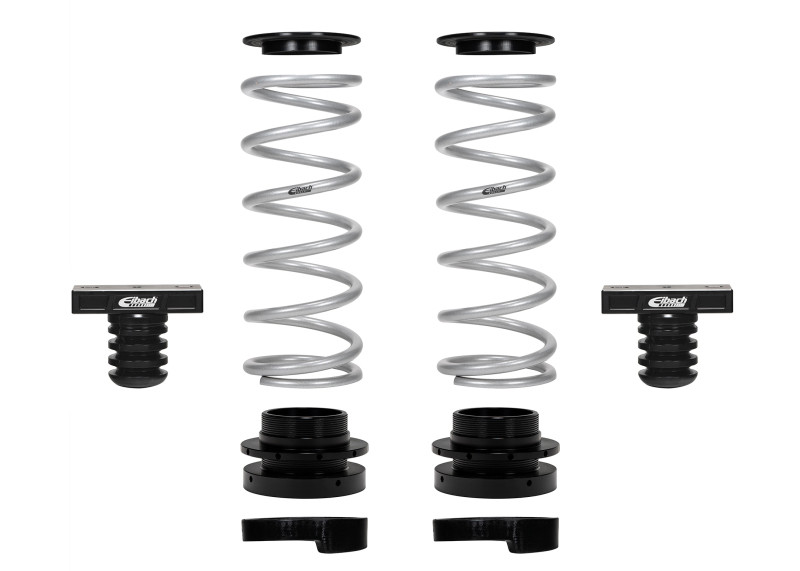
Eibach Load-Leveling System (Standard) — $565
This is Eibach's baseline load-leveling kit for the 5th-gen — suitable when you're correcting rear sag from general use and aging springs without a specific heavy payload requirement. If your rear is sitting low after years of stock use but you're not running a dedicated overland build, this restores proper geometry without over-springing the rear end. The fit and finish on Eibach's Toyota-specific kits is tight; these aren't universal parts adapted to fitment.
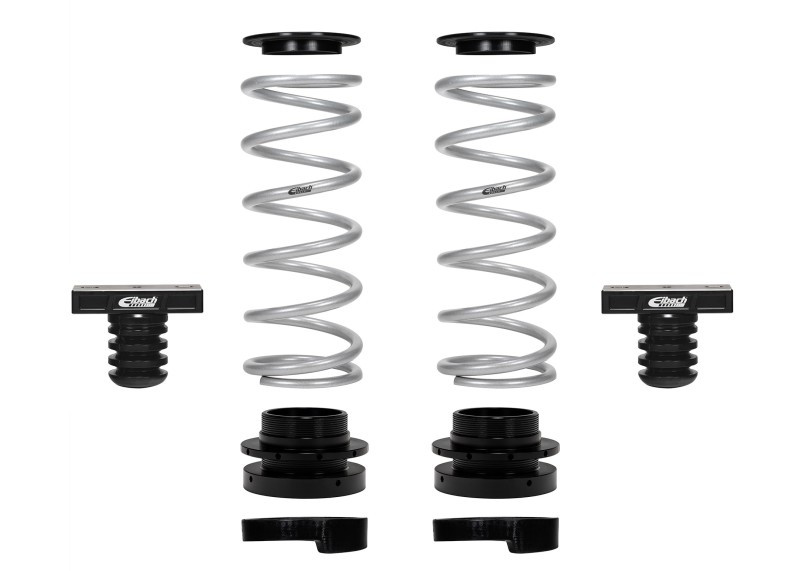
6. Rancho Quick Lift Rear Spacer Kit (03-19 Toyota 4Runner)
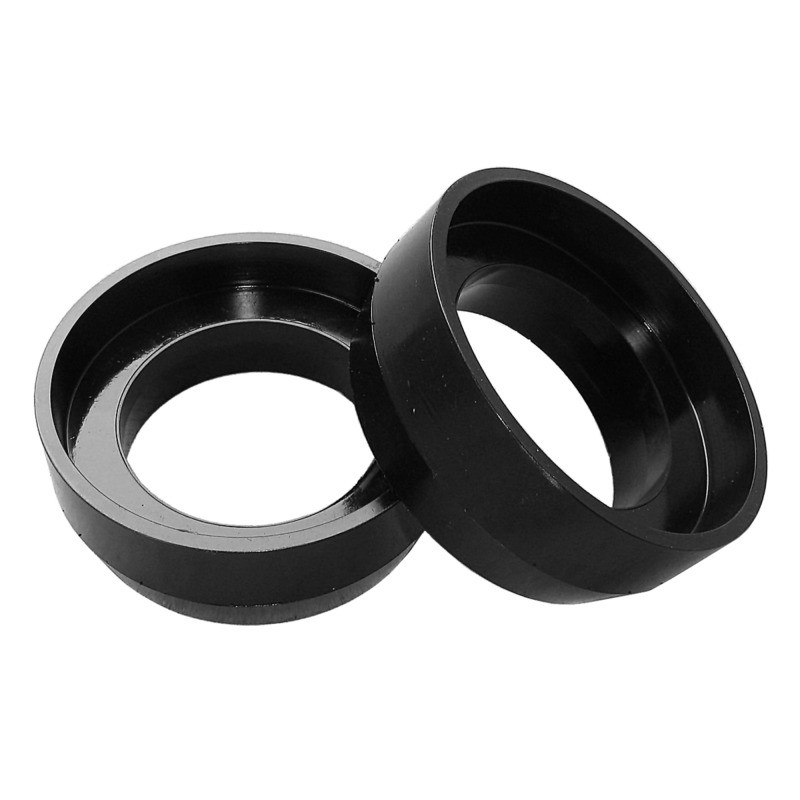
Rancho Quick Lift Rear Spacer Kit — $152
Rancho's rear spacer kit is the entry-level answer for 4Runner owners who just want to add some rear lift height quickly and affordably without touching the dampers or spring rates. It's a coil spacer — straightforward, reversible, and at $152 it's the lowest-friction way to add rear height to complement a front leveling setup. It's not a load-management solution and it won't fix a sagging spring, but for a clean, level stance on a daily-driven 4Runner it does the job. Fits 2003–2019, so it covers the full 5th-gen range and a good chunk of 4th-gen trucks.
7. Eibach Rear Bump Stop Sub-Assembly (2010-2020 4Runner)
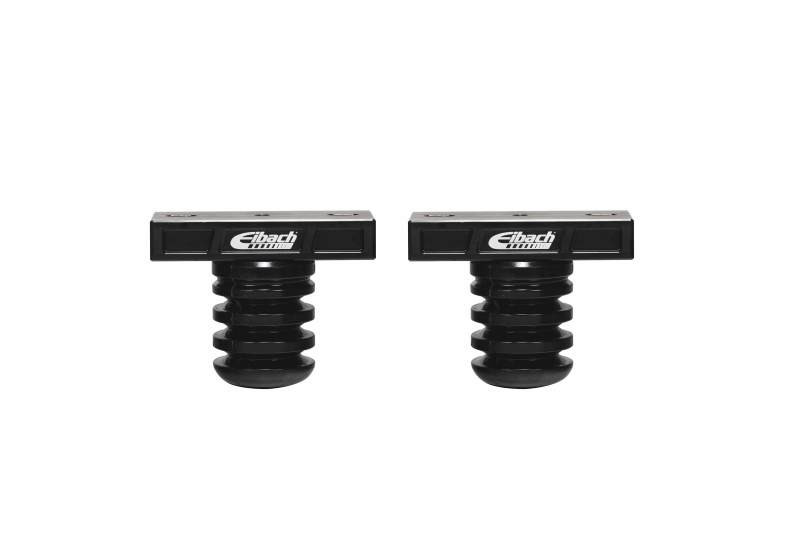
Eibach Rear Bump Stop Sub-Assembly — $235
Often sold as a companion piece to Eibach's load-leveling kits but worth calling out on its own: when you adjust rear ride height with any leveling or load-leveling setup, the factory bump stop geometry changes. Running mismatched bump stop travel leads to harsh bottoming — especially off-road or over aggressive pavement. Eibach's sub-assembly is a direct replacement that recalibrates the bump stop contact point for raised applications. If you're running any Eibach rear setup on a 4Runner you wheel or load heavily, add this. It's the part most people skip and then complain about later.
How to choose a leveling kit for your 4Runner
Front vs. rear — or both: Most 4Runners need a front lift to correct the factory rake. A front-only kit (spacer or full strut replacement) is the baseline. Rear kits come into play when you're correcting sag from payload or want a full level stance front-to-back. Running a front lift without addressing a low rear just inverts your problem.
Spacer vs. full strut replacement: Strut spacers (Rancho, Camburg) work with your existing strut and are appropriate when that strut has life left. If you're above 60,000 miles on the original struts, putting a spacer on top of a tired damper doesn't make mechanical sense — go straight to the Bilstein B8 6112 and replace both. The cost delta is real but so is the outcome difference.
Load rating matters on the rear: The Eibach load-leveling kits are rated by payload range for a reason. Running the 0–200 lb kit when you're carrying 350 lbs of gear will still sag. Measure your actual cargo weight and buy accordingly.
Bump stops: Any time you change rear ride height, add the Eibach bump stop sub-assembly to your order. The OEM unit is no longer in the right position once you've raised the rear, and it's a $235 problem that prevents a very annoying suspension clunk.
Tire fitment: Most 4Runner owners level specifically to fit a 285/70R17 or 285/75R16 without rubbing at full droop or lock. If that's your goal, confirm your intended lift height against your specific tire size. A 2-inch front lift handles most 285 setups cleanly on the 5th-gen. If you're running larger, check the suspension notes for your specific configuration.
For comparison with platform-adjacent leveling builds, see our guides on best leveling kits for the Toyota Tacoma and best leveling kits for the Jeep Wrangler JL — many of the same considerations apply.
FAQ
How much lift does a leveling kit give a 5th-gen 4Runner?
Strut spacers and preload collars typically deliver 1.5–2.5 inches of front lift depending on the kit and adjustment setting. The Bilstein B8 6112 is adjustable and can be set anywhere in that range. Basic spacer kits are usually fixed at 2 inches. Rear spacers like the Rancho RS70080 add approximately 1–1.5 inches.
Will a leveling kit affect alignment on the 4Runner?
Yes — any front lift changes your caster and camber geometry. A front-end alignment is required after installation. Budget for it when pricing the job. Most shops can bring a leveled 5th-gen back into spec without additional correction parts at the 2-inch range.
Do I need to replace rear shocks when installing a rear spacer or load-leveling kit?
Not automatically, but it's worth evaluating. A rear spacer doesn't change damper valving, so if your rear shocks are worn, you'll feel it. The Eibach load-leveling kits work alongside the existing dampers — if those dampers are past 70–80k miles, replacing them at the same time is good practice rather than revisiting the job later.
What size tires can I fit with a 2-inch level on the 5th-gen 4Runner?
A 2-inch front level with stock rear height fits 285/70R17 reliably on most 5th-gen builds without trimming. Some owners run 285/75R16 on steel wheels with minimal or no trimming at full articulation. Going larger than that typically requires additional modification beyond a leveling kit alone. Check your specific wheel offset — aggressive negative offset can create clearance issues at full lock regardless of lift height. Browse the full wheels catalog for 6x139.7 fitment options.