
All-Season vs Summer Performance Tires: How to Choose
The deciding factor is temperature. If you live where winters bring cold, rain and even light snow, and you want one set of tires all year, an all-season tire is the sensible choice. If you drive a sporty car in a warm or mild climate and crave maximum dry and wet grip, a summer performance tire will reward you — but it should never see freezing roads or snow. In short: all-season prioritizes versatility and value; summer performance prioritizes cornering, braking and steering feel above about 45°F (7°C).
All-Season explained
All-season tires are built to balance dry, wet and light-snow traction for everyday driving across the whole year. Their rubber compound stays reasonably pliable in cool weather without turning greasy in summer heat, and the tread carries more sipes (tiny slits) plus higher void ratio (more open grooves) to bite into water and packed light snow. That flexibility is a compromise: no single condition is optimized, but few are neglected.
Who it's for
Commuters, families, crossovers, trucks and anyone who wants to fit one set and forget it. If you rarely see deep snow but face real winters, look at those with the 3PMSF (three-peak mountain snowflake) marking.
Summer Performance explained
Summer performance tires are warm-weather, max-grip tires engineered for dry and wet handling — not for snow. They use a stickier compound and a stiffer, lower-void tread with larger continuous rubber blocks, so more of the tire touches the road under hard cornering and braking. That same compound hardens dramatically as temperatures drop toward freezing, which is why traction falls off a cliff in cold and why these tires are unsafe on snow or ice.
Who it's for
Sports cars, sport sedans and driving enthusiasts in mild or hot climates — or as a seasonal set swapped out before winter.
Head-to-head
Dry grip
Summer performance wins clearly, thanks to more contact rubber and a grippier compound. All-season is competent but softer at the limit.
Wet grip
Closer than people expect. Good summer tires drain water and grip strongly in warm rain; all-season sipes help in cool, wet conditions. Edge to summer in warm rain, all-season in cold rain.
Winter & snow
All-season wins outright — some carry 3PMSF for light snow. Summer tires should stay parked when it's freezing.
Tread life
All-season compounds are generally harder and typically last longer; softer summer compounds usually trade longevity for grip. Check each tire's UTQG treadwear grade rather than assuming.
Noise & comfort
Touring all-seasons tend to ride quieter and softer; performance summers can be firmer and louder from stiffer sidewalls and aggressive tread.
Price
All-season options span roughly $58 to over $2,900 across sizes from small cars to large trucks. Summer performance spans about $108 to around $1,463, reflecting their focus on performance car fitments. Expect to pay for the size and speed rating you need.
Which should you buy?
By climate: if you regularly see snow, ice or long stretches below freezing, choose all-season (or add a dedicated winter set). In consistently warm or mild regions, summer performance is a strong pick. By vehicle: trucks, SUVs and daily drivers lean all-season; sports cars and performance sedans benefit most from summer rubber. By use: one-set-year-round buyers should stay all-season, while enthusiasts willing to swap seasonally can run summer in warm months. These are general guidelines — your local weather and driving habits should make the final call.
Browse the full ranges of All-Season Tires and Summer Performance Tires, or explore all tires to compare sizes.
Our top All-Season
Shop All-Season at ThreePiece

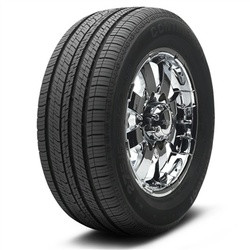
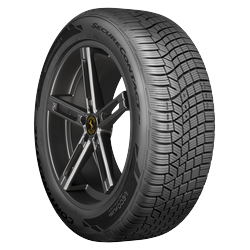

Popular versatile picks include the Nitto Motivo 365, Hankook Kinergy S Touring H735, Falken Aklimate and General G-Max AS-07. Continental's touring lineup is worth a look too, from the ProContact TX for small cars to the SecureContact AW and ProContact GX, plus the efficiency-minded EcoContact6.
Our top Summer Performance
Shop Summer Performance at ThreePiece
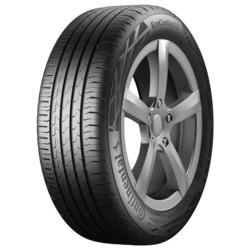


Standouts include the Continental ExtremeContact Sport 02, Toyo Proxes Sport 2 and Kumho Ecsta Sport PS72. For higher-performance fitments, consider the ContiSportContact 6, the latest SportContact 7, or the proven ContiSportContact 5.
Frequently Asked Questions
Can I use summer performance tires in winter? No. Their compound hardens near freezing and offers poor traction on cold, snowy or icy roads. Switch to all-season or dedicated winter tires when temperatures drop.
Are all-season tires good in snow? They handle light snow far better than summer tires, and models carrying the 3PMSF symbol do better still. For deep snow and ice, dedicated winter tires remain safer.
Do summer tires really grip better in the dry? Yes. More continuous contact rubber and a stickier compound give shorter braking and sharper cornering in warm weather compared with an all-season.
Which type lasts longer? All-season tires generally last longer because their harder compounds resist wear, while softer summer compounds trade longevity for grip. Compare each tire's UTQG treadwear rating to be sure.