

200 Treadwear (200TW) vs Summer Performance Tires: How to Choose
If you drive a car with occasional autocross or track-day ambitions and want street-legal rubber that can also lap a cone course, a 200 Treadwear (200TW) tire is the pick. If you want maximum warm-weather grip for spirited road driving with better manners and much longer life, a broader Summer Performance tire wins. The single deciding factor is how much time you'll spend at the limit on a closed course versus commuting and canyon-carving: heavy track use favors 200TW, everyday warm-weather driving favors summer performance. Neither type is built for snow or freezing temperatures.
200 Treadwear (200TW) explained
200TW tires are extreme-performance summer tires built to a 200 UTQG treadwear rating — the dual-duty street/autocross/HPDE class. They use aggressive, high-grip compounds, stiff sidewalls, and low void ratios (less open tread space) to put as much rubber on the road as possible. That construction rewards a car that's driven hard on smooth, warm pavement.
The trade-off is real: these compounds are engineered to work best when hot and worked consistently. On a daily driver they endure constant thermal cycling without reaching optimal operating temperature, which shortens their useful life. They're for the enthusiast who tracks, autocrosses, or wants the closest thing to a race tire that's still street legal.
Summer Performance explained
Summer performance tires are warm-weather max-grip tires tuned for dry and wet handling — and explicitly not for snow. They balance a sticky-but-durable compound with a tread pattern designed to evacuate water, giving you strong grip in the rain along with sharp dry response. Sidewalls and blocks are engineered for daily consistency across a wider temperature window than a 200TW compound tolerates.
This is the sweet spot for most performance-car owners: sports coupes, sport sedans, and modern EVs that see mostly road duty with the occasional back-road blast. You can shop the full summer performance range when you're ready to compare fitments.
Head-to-head
Dry grip
At full working temperature on smooth pavement, a 200TW tire generally edges out a summer performance tire in outright mechanical grip — that's its whole reason for being. On the street, though, that peak advantage often goes unrealized because the compound rarely gets hot enough to shine.
Wet grip
Summer performance tires usually have the advantage here, thanks to deeper channels and more open tread that clears water. Many 200TW designs run shallower, tighter tread that can reduce wet confidence.
Winter/snow
Both are off the table below roughly 40°F and in snow. Their compounds harden in the cold and grip drops sharply. Plan on a separate winter set if you see real cold.
Tread life
Summer performance tires typically last considerably longer, which is why they suit daily use. 200TW compounds wear faster and can degrade with heat cycling long before the tread is gone.
Noise & comfort
Summer performance tires are generally quieter and more compliant. 200TW tires tend to be firmer, louder, and more sensitive to pressure and temperature.
Price
200TW options here run roughly $141 to $438 per tire. Summer performance spans a much wider $108 to about $1,463, reflecting everything from compact sizes to large-diameter, high-load fitments. That range and the much deeper selection make summer performance the more flexible bet across vehicles.
Which should you buy?
If you live somewhere warm and dry and regularly attend autocross or HPDE events, a 200TW tire likely rewards you — just accept the shorter life and firmer ride. If your car is a daily or weekend driver that mostly sees public roads in variable weather, a summer performance tire will usually feel better and last longer while still delivering strong grip.
Vehicle matters too: lighter, track-focused builds exploit 200TW rubber; heavier sport sedans and EVs tend to pair better with a durable summer performance compound. If you ever face cold snaps or snow, treat either as a fair-weather-only tire and keep a second set. When in doubt, browse all tires to weigh fitment and budget side by side.
Our top 200 Treadwear (200TW)
Shop 200 Treadwear (200TW) at ThreePiece
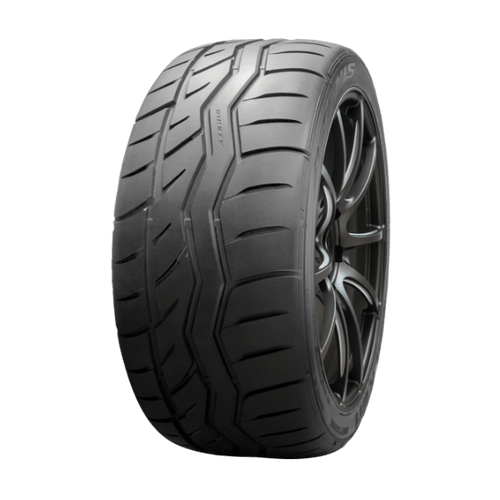

Standout choices include the Falken Azenis RT615K+ in 265/35R18XL and the Falken Azenis RT615K+ in 235/40R18XL, both popular dual-duty street/autocross tires. For smaller enthusiast setups, the Kumho Ecsta V730 in 205/50R15 is a proven autocross-oriented option.
Our top Summer Performance
Shop Summer Performance at ThreePiece


Strong picks span budgets and platforms: the Continental SportContact 7 in 255/45R19XL for modern performance cars, the ContiSportContact 6 in 325/35R22XL and ContiSportContact 5 in 225/40R18XL for a range of sizes, plus the ContiSportContact 5P in 255/35R20XL for larger-diameter fitments. Other names to know include the Toyo Proxes Sport 2, Continental ExtremeContact Sport 02, Kumho Ecsta PS72, and General G-Max RS.
Frequently Asked Questions
Can I drive a 200TW tire every day? You can, but expect faster wear and firmer manners. These compounds prefer being worked hot and consistently, so daily thermal cycling tends to reduce their useful life.
Are summer performance tires good in the rain? Generally yes — their more open tread patterns help clear water, which usually gives them a wet-grip edge over tighter 200TW designs. Neither is a wet-weather guarantee at speed.
Which lasts longer? Summer performance tires typically outlast 200TW tires by a meaningful margin, which is a big reason they suit street-driven cars.
Can either be used in snow? No. Both are warm-weather tires and lose grip badly in cold and snow. Use a dedicated winter tire when temperatures drop.