
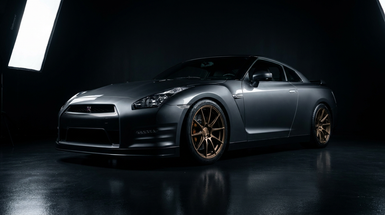
GTR R35 Wheel Specs: Complete Fitment Guide for Every Setup
GTR R35 Wheel Specs: Complete Fitment Guide for Every Setup
The R35 GT-R isn't just about horsepower – it's about putting that power to the ground through the right wheels and tires. Getting fitment wrong on "Godzilla" can mean shredded tires, damaged fenders, or worse. Get it right, and you'll unlock both the performance and aggressive stance this supercar deserves.
Quick Navigation
- Quick Answer
- Key Takeaways
- Stock Wheel Specifications by Year and Trim
- Most Popular Aftermarket Setups
- Maximum Aggressive Fitment Limits
- Tire Recommendations by Use Case
- Spacers and Adapters Done Right
- Suspension Impact on Fitment
- Common Fitment Mistakes to Avoid
- Expert Fitment Sources
- Real-World Setup Examples
- Who Should Upgrade Wheels
- When to Skip Wheel Upgrades
- Final Verdict
Quick Answer
Stock GT-R specs: 20x9.5" +45 front, 20x10.5" +25 rear with 255/40R20 and 285/35R20 tires. Popular aggressive setup: 20x10" +30 front, 20x12" +20 rear with 285/35R20 and 335/30R20 tires. Track setup: 18x10.5" +22 all around with 285/35R18 R-compound tires.
Key Takeaways
- All R35 GT-Rs use 5x114.3 bolt pattern with 66.1mm center bore
- Nismo models have wider front wheels (20x10" vs 20x9.5") and different lug studs
- Conservative limit without mods: 20x10" +30 front, 20x12" +20 rear
- Aggressive fitment requires fender rolling, camber adjustment, and careful tire selection
- Hub-centric spacers can dial in fitment on stock or mild setups
Stock Wheel Specifications by Year and Trim
Base and Premium Models (2009-2024)
Every standard GT-R from launch through today runs the same conservative wheel specs:
- Front: 20x9.5" +45 offset
- Rear: 20x10.5" +25 offset
- Tires: 255/40ZR20 front, 285/35ZR20 rear
- Hardware: 5x114.3 bolt pattern, 66.1mm center bore
The factory Rays%20wheels) wheels evolved stylistically but kept identical dimensions. Early cars got 7-spoke gray wheels, 2012+ Premium models received 10-spoke designs, and 2017+ facelifts brought 15-spoke machine-finished wheels.
Nismo and Track Edition Differences
Nismo models (2015+) and later Track Editions use more aggressive specs:
- Front: 20x10.0" +41 offset (0.5" wider, 4mm more outward)
- Rear: 20x10.5" +25 offset (same as base)
- Tires: Same 255/40R20 and 285/35R20 sizes
- Hardware: Larger M14x1.5 wheel studs vs M12x1.25 on base models
The 2020+ Nismo received optional carbon fiber wheels at the same dimensions, saving roughly 4kg per wheel.
Most Popular Aftermarket Setups
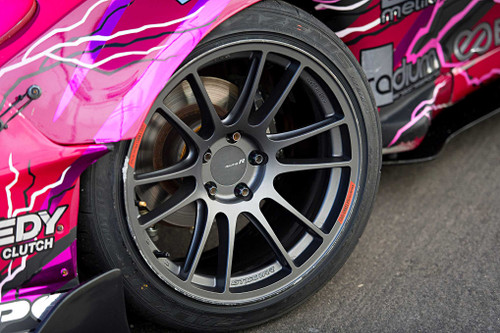
Aggressive Street: 20x10/20x12 Stagger
The go-to setup for filling out fenders while maintaining street usability:
- Wheels: 20x10" +30 front, 20x12" +20 rear
- Tires: 285/35R20 front, 335/30R20 rear
- Modifications needed: Front fender lip roll, possibly rear liner trimming
- Stance: Nearly flush with fender edges
This combo adds 50mm of rear tire width over stock while keeping the front manageable. Most owners report minimal rubbing with proper alignment.
Track-Focused: 18" Square Setup
Serious track drivers often downsize for better tire selection and performance:
- Wheels: 18x10.5" +15 to +22 all around
- Tires: 285/35R18 or 295/35R18 R-compound
- Benefits: Cheaper tires, more sidewall, tire rotation capability
- Popular choices: Enkei GTC-01, Volk TE37, BBS FI-R
The 18" diameter allows thicker sidewalls and access to serious racing rubber like Nitto NT01 or Toyo R888R.
Mild Aggressive: 20x10.5/20x11.5 Setup
For those wanting more presence without extreme modifications:
- Wheels: 20x10.5" +25 front, 20x11" +15 rear
- Tires: 285/35R20 front, 315/30R20 rear
- Modifications: Minimal – possibly slight camber adjustment
- Result: Filled fenders without major bodywork
Maximum Aggressive Fitment Limits
Without Fender Modifications
- Front limit: 20x10" +30 with 285/35R20 tire
- Rear limit: 20x12" +20 with 335/30R20 tire
- Requirements: Proper alignment, possibly removing fender liner clips
With Fender Rolling and Camber
Pushing the absolute limits on stock body panels:
- Front extreme: 20x11" +15 with -3° camber and rolled lips
- Rear extreme: 20x11" +0 with -3° camber and pulled fenders
- Tire strategy: Often requires stretched fitment (285 on 11" wheel)
One documented build runs 20x11" +0 rear (with spacer) and 285/35R20 tires square, achieving no rubbing through aggressive camber and suspension tuning.
Tire Recommendations by Use Case
Best Street Performance Tires
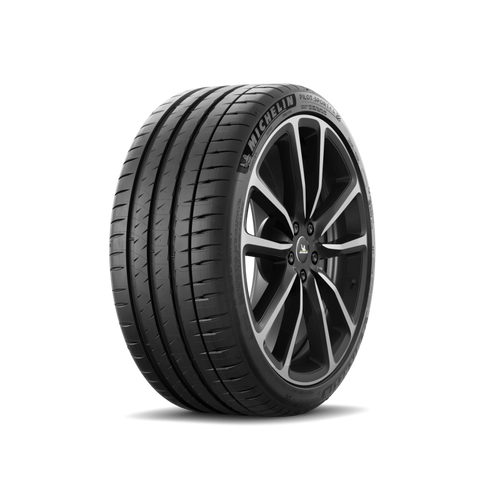
- Michelin Pilot Sport 4S:** Gold standard for street driving, excellent wet performance
- Continental ExtremeContact Sport:** Sharper feel, slightly firmer ride
- Bridgestone Potenza Sport:** Strong all-around performer
Track Day Specialists
- Michelin Pilot Sport Cup 2:** Semi-slick performance, poor in wet
- Pirelli P Zero Trofeo R:** Even more aggressive, dry-only compound
- Nitto NT01 (18" sizes):** Proven R-compound for dedicated track wheels
All-Season Options
- Michelin Pilot Sport All Season 4:** Best dry performance in all-season category
- Continental ExtremeContact DWS 06 Plus:** Strong wet and light snow capability
Avoid the OEM run-flat tires unless you track regularly – they're extremely stiff and noisy for street use.
Spacers and Adapters Done Right

When to Use Spacers
- Stock wheels sitting too far inward (common complaint)
- Fine-tuning aftermarket wheel fitment
- Clearing brake calipers with minimal interference
Critical Requirements
- Hub-centric design: Must match GT-R's 66.1mm hub bore
- Quality materials: Forged aluminum from reputable brands (H&R, Eibach-ers-8-00-in-length-x-3-00-in-id-coil-over-spring-0800-300-0200s/), Project Kics)
- Proper hardware: Ensure adequate thread engagement on wheel studs
Popular Stock Wheel Spacer Setup
Many owners run 15mm front, 5-10mm rear spacers on OEM wheels to achieve a flush look without changing wheels entirely.
Suspension Impact on Fitment

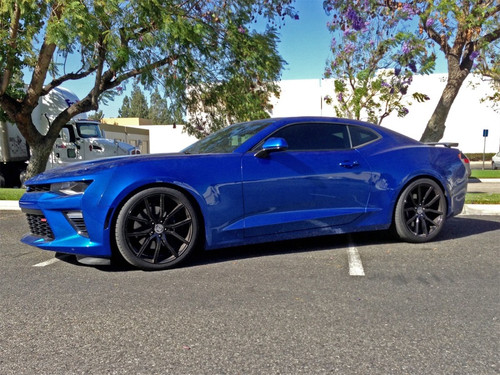
Lowering Considerations
Dropping the car reduces clearance and typically adds negative camber automatically:
- Lowering springs: ~1" drop, manageable with mild wheel setups
- Coilovers: Adjustable height plus stiffer rates reduce compression travel
- Alignment changes: More negative camber helps tuck aggressive wheels
Spring Rate Effects
Stiffer suspension prevents bottoming out that causes rubbing. Many aggressive fitments rely on coilovers to control wheel travel during compression.
Common Fitment Mistakes to Avoid
Critical Errors
- Wrong center bore: Always use hub rings if wheel bore exceeds 66.1mm
- Extreme tire stretch: Dangerous on a 3,800-pound AWD car with serious power
- Cheap replica wheels: GT-R loads can crack inferior wheels catastrophically
- Ignoring brake clearance: Not all 20" wheels clear the massive Brembo calipers
Diameter Matching
Keep front and rear tire diameters within 1-3% to avoid confusing the ATTESA AWD system. Stock setup maintains virtually identical rolling circumference.
Expert Fitment Sources
ThreePiece.us Advantage
As America's premier custom wheel specialists since 2014, ThreePiece.us offers:
- Custom forged wheels built to exact GT-R specifications
- Proven fitment knowledge from hundreds of GT-R builds
- Complete wheel/tire packages with proper hardware
- Hub-centric manufacturing for 66.1mm GT-R hubs
Why Expert Guidance Matters
The GT-R's combination of heavy weight, massive brakes, and performance demands makes wheel selection critical. Fitment specialists eliminate guesswork and prevent expensive mistakes.
Real-World Setup Examples
Conservative Flush (Stock Height)
- Wheels: Advan RSD 20x9.5" +40 front, 20x10.5" +20 rear
- Spacers: 15mm front, 20mm rear (effective +25/+0 offset)
- Result: Flush stance with no modifications needed
Aggressive Street Build
- Wheels: Volk TE37 20x10" +30 front, 20x12" +20 rear
- Tires: 285/35R20 front, 335/30R20 rear
- Mods: Swift springs, fender lip roll, -2° front camber
- Outcome: Massive rear presence, minimal rubbing
Track-Focused Setup
- Wheels: Enkei GTC-01 18x10" +22 square
- Tires: Nitto NT01 275/40R18 all around
- Suspension: KW coilovers, -2.5° camber
- Benefits: Lighter wheels, cheaper tires, rotation capability
Who Should Upgrade Wheels
Ideal Candidates
- Owners wanting improved aesthetics and stance
- Track drivers seeking better tire options or lighter wheels
- High-horsepower builds needing more rear tire contact patch
- Enthusiasts planning suspension modifications
Performance Gains
Proper wheel upgrades can provide wider tires for better grip, lighter rotating mass for improved acceleration, and access to superior tire compounds.
When to Skip Wheel Upgrades
Keep Stock If
- You're satisfied with OEM appearance and performance
- Budget is tight (quality wheels and tires are expensive)
- You live in harsh climates with poor roads
- The car sees minimal spirited driving
OEM Advantages
Stock wheels are engineered specifically for the GT-R's weight and performance envelope. They're also covered under warranty and readily available.
Final Verdict
The R35 GT-R responds exceptionally well to wheel and tire upgrades, but fitment precision is non-negotiable. Start with proven specs like 20x10/20x12 stagger for street builds or 18" square setups for track use. Work with experienced fitment specialists to avoid expensive mistakes, and always prioritize quality components over bargain alternatives.
Done right, new wheels transform both the GT-R's appearance and performance capabilities. Done wrong, you'll quickly understand why proper fitment matters on a 600+ horsepower AWD missile. Choose wisely, and enjoy putting Godzilla's power to the ground through the perfect contact patches.