
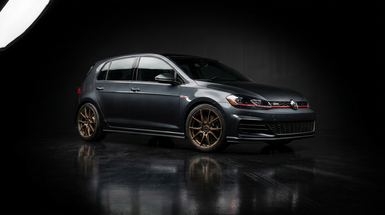
GTI Wheel Fitment: Everything You Need to Know
What Wheels Fit a Volkswagen Golf GTI: The Complete Fitment Guide
Getting wheel fitment wrong on a Golf GTI isn't just embarrassing—it's expensive. The wrong offset can leave you scraping fenders, the wrong bolt pattern won't even mount, and cheap replicas can crack under the GTI's spirited driving demands.
The GTI is a precision instrument that deserves precision fitment. Whether you're running a stock Mk7 or a modified Mk2, understanding bolt patterns, offsets, and tire sizing will transform your car's stance and performance while avoiding costly mistakes.
Quick Navigation
- Quick Answer
- Key Takeaways
- Stock Specifications by Generation
- Most Popular Aftermarket Setups
- Aggressive Fitment Limits
- Tire Selection Guide
- Spacers and Adapters
- Suspension Impact on Fitment
- Common Mistakes to Avoid
- Where to Buy Quality Wheels
- Who Should Upgrade Their Wheels
- When to Skip Wheel Upgrades
- Final Verdict
Quick Answer
Modern GTIs (Mk5-Mk8) use 5x112 bolt pattern with 57.1mm center bore. Safe aftermarket sizes range from 17x8" ET45 to 19x8.5" ET45 with appropriate tires. Older generations (Mk1-Mk3) used 4x100, while Mk4 used 5x100. All GTIs maintain the same 57.1mm hub bore across generations.
Key Takeaways
- Bolt Pattern Evolution: Mk1-Mk3 used 4x100, Mk4 used 5x100, Mk5+ standardized on 5x112
- Hub Bore Consistency: All GTIs use 57.1mm center bore—never changed
- Offset Range: Modern GTIs work best with ET42-ET51 offsets depending on width
- Popular Sizes: 18x8" ET45 and 18x8.5" ET45 are proven flush fitments
- Aggressive Limits: 18x9.5" ET42 possible with fender rolling and camber adjustments
- Quality Matters: Stick to reputable brands—cheap replicas crack under GTI's performance demands
Stock Specifications by Generation
Understanding factory specs provides the baseline for aftermarket upgrades. Every GTI generation shares the 57.1mm hub bore, but bolt patterns and offsets evolved significantly.
Mk1-Mk2 GTI (1976-1992): Used 4x100 bolt pattern with modest wheel sizes. The Mk1 typically ran 13-14" wheels, while Mk2 moved to 15x6" ET35 wheels. These older cars used relatively low offsets compared to modern GTIs.
Mk3 GTI (1993-1999): Split between 4x100 for standard models and 5x100 for VR6 variants. Common sizes included 15x6" ET43 for four-cylinder models and 16x6.5" wheels on VR6 versions.
Mk4 GTI (1999-2004): Standardized on 5x100 across all engines. Factory wheels ranged from 16x6.5" to the rare 18x7.5" ET38 BBS RC wheels on 20th Anniversary editions. The ET35-38 range gave these cars a more flush stance from factory.
Mk5-Mk8 GTI (2005-present): All use 5x112 bolt pattern. Factory sizes progressed from 17x7.5" ET51 on early Mk5s to 19x8" ET50 on current Mk8 Autobahn trims. The higher offsets (ET45-51) leave room for aftermarket flush fitments.
Most Popular Aftermarket Setups
Three proven combinations dominate GTI builds, each offering different benefits for street, track, or show use.
OEM+ Flush Setup: 18x8" ET45 The Neuspeed RSE52 and Enkei RPF1 in 18x8" ET45 represent the sweet spot for daily drivers. Paired with 225/40R18 tires, this combination sits nearly flush with fenders while maintaining full clearance. No modifications required, even with mild lowering springs.
Aggressive Street Setup: 18x8.5" ET43-45 VMR V810 and Rotiform RSE wheels in 18x8.5" ET45 push the envelope while remaining practical. With 225/40R18 (slight stretch) or 235/40R18 (square sidewall), these setups achieve true flush fitment. May require fender screw removal on lowered cars.
Show-Worthy Stance: 19x8.5" ET45 For maximum visual impact, 19x8.5" ET45 wheels with 225/35R19 or 235/35R19 tires fill the arches perfectly. Popular on Mk7/Mk8 builds, this size matches factory Clubsport specifications while dramatically improving stance over stock wheels.
Aggressive Fitment Limits
Pushing beyond flush requires understanding clearance limits and necessary modifications.
Without Fender Work: 18x8.5" ET42 with 225/40R18 represents the practical limit on stock fenders. Going wider or lower offset risks rubbing on compression or steering lock.
With Fender Rolling: 18x9" ET42 becomes possible with rolled fender lips and mild negative camber (-1.5° to -2°). Some owners successfully run 18x9.5" ET42 with extensive fender work and stretched tires.
Maximum Proven Setup: The most aggressive documented fitment is 18x9.5" ET37 (achieved with 5mm spacers) running 225/40R18 tires. This requires rolled and slightly pulled fenders, maximum negative camber, and careful alignment. Not recommended for daily driving.
Inner Clearance Limits: Coilovers often require 3-5mm spacers compared to stock suspension due to larger spring perches. Always check inner clearance when upgrading suspension components.
Tire Selection Guide
Matching tires to your driving style and wheel choice maximizes performance and safety.
Street Performance Summer Tires
- Michelin Pilot Sport 4S: The gold standard for daily performance in 225/40R18 or 235/40R18
- Firestone Firehawk Indy 500: Excellent budget alternative offering 80% of premium tire performance
- Continental ExtremeContact Sport: Balanced option with comfortable sidewalls
Track/Autocross Tires
- Bridgestone Potenza RE-71RS: 200TW extreme performance tire for serious track work
- Yokohama Advan A052: Near-slick performance for time attack and competitive events
- Michelin Pilot Sport Cup 2: Dual-duty tire that drives to track and performs on circuit
All-Season Performance
- Continental ExtremeContact DWS 06 Plus: Top-rated UHP all-season for year-round driving
- Michelin Pilot Sport All Season 4: Nearly summer tire performance with winter capability
- Michelin CrossClimate2: Maximum winter traction while maintaining decent dry performance
Spacers and Adapters

Sometimes the perfect wheel needs slight adjustment to achieve ideal fitment.
When Spacers Make Sense
- Fine-tuning flush fitment (3-8mm spacers common)
- Clearing brake calipers or coilover components
- Adapting wheels with slightly high offset
Quality Brands Only H&R, Eibach-ers-8-00-in-length-x-3-00-in-id-coil-over-spring-0800-300-0200s/), and produce hub-centric spacers with proper 57.1mm centering. Avoid cheap universal spacers that rely on lug bolts for centering—they cause vibrations and uneven wear.
Adapter Applications Converting bolt patterns (5x100 Mk4 wheels to 5x112 Mk5+ hubs) requires quality adapters. Most are 20mm+ thick, effectively reducing offset significantly. Factor this into final fitment calculations.
Suspension Impact on Fitment
Lowering changes wheel clearances in ways that aren't immediately obvious.
Lowering Springs Effects
- Increase negative camber naturally (helps fitment)
- Reduce bump travel (may cause rubbing where none existed)
- Require alignment correction for proper toe settings
Coilover Considerations
- Often have larger spring perches requiring spacers for inner clearance
- Allow more suspension travel than springs, potentially increasing fender contact
- Enable camber adjustments for aggressive wheel fitments
Alignment Importance Always realign after suspension changes. Extra negative camber helps aggressive fitments, but toe corrections prevent weird rubbing patterns and premature tire wear.
Common Mistakes to Avoid

Learning from others' expensive errors saves money and frustration.
Hub-Centric Ring Neglect Forgetting hub-centric rings causes vibrations at highway speeds. All aftermarket wheels with bores larger than 57.1mm need centering rings—no exceptions.
Wrong Lug Bolt Type OEM VW wheels use ball-seat bolts (R14). Most aftermarket wheels need cone-seat bolts. Mixing types creates poor contact and potential wheel loss.
Extreme Tire Stretch Stretching 205mm tires on 9.5" wheels looks cool but risks debeading. Keep stretch mild—within manufacturer rim width recommendations.
Cheap Replica Risks Unknown-brand replicas often crack under GTI performance demands. Stick to established manufacturers with proper load ratings and certifications.
Where to Buy Quality Wheels
Source matters as much as specifications when buying wheels.
Specialty Fitment Shops ThreePiece.us specializes in custom forged wheels with exact offset specifications. Their fitment expertise ensures proper clearances and can create custom solutions for unique builds. Perfect for high-end builds requiring specific offsets or multi-piece construction.
Established Online Retailers Good for standard applications with proven combinations.
Community Resources VWVortex and GolfMk7 forums provide real-world fitment data and used wheel opportunities. Always verify exact specifications before purchasing.
Who Should Upgrade Their Wheels
GTI owners seeking improved aesthetics, performance, or both benefit from wheel upgrades. Daily drivers gain from flush fitments that eliminate the factory's conservative wheel gap. Track enthusiasts need lightweight wheels with wide tire compatibility. Show car builders require custom offsets and unique designs.
When to Skip Wheel Upgrades
Avoid wheel upgrades if your GTI sees harsh winter conditions with steel wheels and snow tires. Skip modifications if you frequently encounter severe potholes—larger wheels increase damage risk. Don't upgrade if you're planning to trade the car soon, as wheels rarely add resale value.
Final Verdict
Proper wheel fitment transforms a GTI from good to great. Start with proven combinations like 18x8" ET45 for daily use or 18x8.5" ET45 for flush aesthetics. Research thoroughly, buy quality components, and don't hesitate to consult fitment specialists for custom applications. The investment in proper wheels and tires pays dividends in appearance, performance, and driving satisfaction.
Remember: fitment is permanent, but mistakes are expensive. Take time to get it right the first time.
Shop at ThreePiece.us
See all wheels that fit your Volkswagen Golf GTI →
Shop wheels for Volkswagen Golf GTI →