
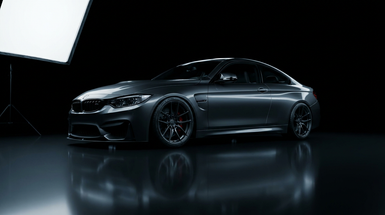
Why 90% of Coilover Buyers Make This Expensive Mistake
Why 90% of Coilover Buyers Make This Expensive Mistake
Most drivers think upgrading to coilovers is a guaranteed win for performance – but the truth is 90% of coilover buyers might be making a costly mistake. Coilovers promise better handling and a lower, meaner stance, yet many enthusiasts dive in without understanding what they actually do or whether their car really needs them.
According to seasoned industry insiders, a huge number of people modifying their suspensions "have no idea what they are doing" – often swayed by marketing hype into expensive mods that make the car different, but not always better. One forum veteran pointed out that "90% of people who say coilovers are better" are simply comparing brand-new coilovers to old, worn-out stock suspension. No surprise it feels better – any new suspension would!
The expensive mistake is assuming coilovers are a magic bullet. In this review, we'll cut through the hype and honestly examine whether they're worth your money on popular cars like the Civic, WRX, GTI, Miata, Mustang, 350Z, and more.
Quick Navigation
- Quick Answer
- Key Takeaways
- How Coilovers Actually Work
- Budget vs Premium: What You Actually Get
- Platform-Specific Considerations
- Daily Driving Reality Check
- Installation and Setup Critical Points
- Performance Reality: Measurable vs Placebo
- Who Should Buy Coilovers
- When to Skip Coilovers
- Final Verdict
Quick Answer
Coilovers are worth it for track enthusiasts, serious stance builders, and those who will actively tune their suspension. For the majority of street drivers, a quality spring and shock combo delivers 80% of the handling benefit at half the cost with better ride comfort. Budget coilovers under $800 often perform worse than stock suspension.
Key Takeaways
- Budget coilovers ($300-$600) are often worse than stock – poor damping, short lifespan, harsh ride
- Mid-range options ($800-$1,500) like BC Racing and Tein%20coilovers) offer real performance gains for enthusiasts
- Premium coilovers ($2,000+) from KW%20coilovers), Öhlins, and Bilstein-2001-05-bmw-325xi-base-dr-330xi-rear-twintube-shock-absorber-19-220598/) can improve both ride and handling
- Platform matters – lightweight cars like Miatas need different tuning than heavy muscle cars
- Installation and alignment are critical – poor setup negates any benefits
- Daily comfort suffers – expect more road noise, harshness, and maintenance
How Coilovers Actually Work

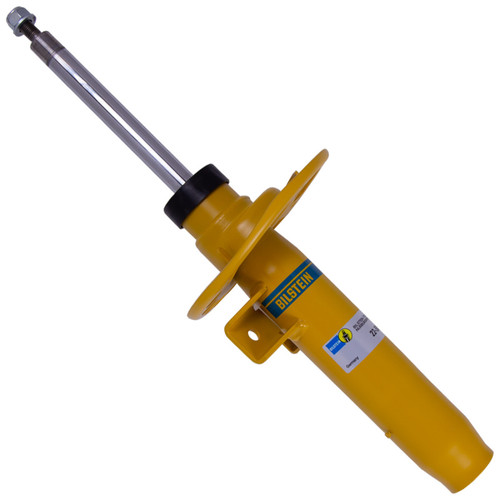
A coilover combines a shock absorber and coil spring into one adjustable unit. Unlike stock suspension with separate components, coilovers use a threaded body that lets you adjust ride height by moving the spring perch up or down.
The key benefits are adjustability and performance tuning. Coilovers typically use stiffer spring rates than stock, reducing body roll, brake dive, and acceleration squat. This keeps tires more evenly loaded during aggressive maneuvers, increasing grip. The integrated damper controls spring motion, preventing bouncy, uncontrolled rides when properly matched.
Most aftermarket coilovers use monotube damper designs versus the twin-tube dampers in stock setups. Monotubes respond faster and dissipate heat better for track use, but often have firm gas pressure that makes the initial ride stiffer. Twin-tube coilovers like the Tein Flex Z offer more compliance on bumpy roads but may fade under hard use.
Many coilovers also offer damping adjustments – from simple one-knob systems to separate rebound and compression controls. This customization lets you tailor suspension behavior from comfort-oriented street driving to track-focused performance.
Budget vs Premium: What You Actually Get
Budget Coilovers ($300-$600) Brands like Raceland%20coilovers), MaxpeedingRods, and TA-Technix deliver rock-bottom prices but significant compromises. Raceland's Classic Coilovers for the Honda S2000 cost about $399 with 785 lb/in front springs and 520 lb/in rear. While they'll lower your car, expect poor damping quality, seized adjusters, and blown shocks within 20,000 miles. These are primarily stance solutions, not performance upgrades.
Mid-Range Coilovers ($800-$1,500) This sweet spot includes popular options like BC Racing BR Series ($1,195 for Subaru WRX), Tein Flex Z ($900 for Mazda MX-5), and Fortune Auto 500 series (~$1,300). These offer monotube construction, 30-click damping adjustment, and application-specific tuning. BC Racing coilovers include camber plates and are rebuildable, making them excellent all-rounders for street and track use.
Premium Coilovers ($2,000+) High-end options like KW Variant 3 ($3,344 for Mazda MX-5) and Öhlins Road & Track ($2,700 for ND Miata) bring race-bred technology. These feature lightweight construction, sophisticated valving, and the ability to deliver excellent ride quality while handling track abuse. The Öhlins DFV technology can actually ride better than stock while providing superior control.
Platform-Specific Considerations
Honda Civic Civics respond well to coilovers for autocross and street performance. The light weight means moderate spring rates work well – avoid ultra-stiff setups that cause tire hop. Popular choices include Tein and Function & Form. Watch for rear twitchiness if springs are too stiff.
Subaru WRX/STI WRX owners must consider roll center geometry when lowering. Dropping more than 1 inch without roll center correction can increase understeer. The AWD system benefits from balanced setups – too stiff in rear can cause power oversteer. Quality options include RCE%20coilovers), KW, and Fortune Auto.
Volkswagen GTI GTIs value both performance and comfort. Premium options like KW V2 or Bilstein B16 can improve both ride and handling over stock. Avoid cheap setups that make the refined chassis feel harsh. Consider the MQB platform's electronic systems when selecting coilovers.
Mazda MX-5 Miata Miatas transform dramatically with coilovers due to their light weight. Moderate spring rates (6k/4k) work well for street use, while track setups can handle higher rates. The lightweight chassis amplifies poor damping, so quality matters more than on heavier cars. Öhlins DFVs and Flying Miata setups are highly regarded.
Ford Mustang Heavy muscle cars need higher spring rates (8k-10k) to control motion. Modern IRS Mustangs handle coilovers better than solid-axle versions. Consider supporting mods like bushings and bracing. Popular brands include Steeda%20coilovers) and Bilstein B16.
Nissan 350Z/370Z These RWD sports cars benefit from coilovers' ability to dial in aggressive camber for track use. The multi-link suspension offers lots of adjustability when paired with coilovers. Watch for excessive rear camber when lowering without correction arms.
Daily Driving Reality Check
Coilovers will make your car stiffer than stock, even the most "street friendly" options. Well-valved dampers can make stiff springs tolerable, but budget options often ride poorly with bouncy or jittery characteristics.
Noise and Harshness Expect increased road noise from pillowball top mounts and stiffer suspension. You'll hear expansion joints more clearly and feel high-frequency vibrations through the steering wheel. Some coilovers make clicking or pinging sounds during low-speed turns – this is often normal but can be disconcerting.
Maintenance Requirements Threaded bodies can seize in winter climates without proper protection. Quality coilovers may need rebuilds every 30-50k miles versus 100k+ for stock suspension. Budget options often aren't rebuildable, becoming expensive paperweights when they fail.
Comfort Trade-offs Premium coilovers like KW V3 or Öhlins can maintain reasonable comfort while improving handling. Budget options often sacrifice ride quality completely. Many owners develop "dodge-the-bump" driving habits to avoid harsh impacts.
Installation and Setup Critical Points
Coilover installation is moderately difficult (6/10 skill level) requiring proper tools and safety equipment. Budget 6-8 hours for first-timers, 2-3 hours for experienced mechanics.
Common Installation Mistakes:
- Incorrect spring preload or uneven ride height setup
- Skipping professional alignment after installation
- Not relocating brake lines or ABS sensors properly
- Overtightening collar locks or using wrong torque sequence
- Ignoring supporting modifications like shorter end links
Professional alignment is mandatory after installation. Coilovers often add negative camber when lowering, which improves grip but can cause uneven tire wear if excessive. Budget $100 for quality alignment and factor this into total cost.
Performance Reality: Measurable vs Placebo
Quality coilovers can provide measurable improvements in track conditions. Reduced body roll allows higher cornering speeds and better tire contact patches. The ability to add aggressive camber through included plates significantly improves front-end grip.
However, many perceived gains are placebo effects from comparing new, stiff suspension to old, worn stock components. A quality spring and shock combo often performs similarly to mid-tier coilovers in real-world conditions.
Tires matter more than suspension for most drivers. Upgrading from all-seasons to performance summer tires will improve grip and handling more dramatically than any suspension modification. Coilovers work best when they can take advantage of sticky tires that actually need the improved chassis control.
Who Should Buy Coilovers
Track Enthusiasts and Racers If you regularly participate in track days, autocross, or time trials, coilovers are often essential. The ability to corner-balance, adjust camber, and tune damping for different tracks justifies the cost and complexity.
Serious Stance Builders For show cars and precise fitment work, coilovers provide the adjustability that static springs can't match. The ability to fine-tune height for different wheel setups makes them worthwhile for dedicated builders.
Comprehensive Build Projects When building a serious performance car with supporting modifications (wider tires, brakes, chassis bracing), coilovers become the logical next step to tie everything together.
Those Committed to Tuning Coilovers reward owners who enjoy the process of setup and adjustment. If you like tinkering and have the knowledge to optimize settings, they provide endless tuning possibilities.
When to Skip Coilovers
Daily Drivers with No Track Plans If your car is primarily for commuting and occasional spirited drives, quality springs and shocks will deliver 80% of the handling benefit with better comfort and lower cost.
Budget-Conscious First-Time Modders Limited budgets are better spent on tires, brakes, or simple spring/shock combinations. Cheap coilovers often perform worse than stock suspension while consuming your entire modification budget.
Comfort-Oriented Owners If you value ride quality, do long road trips, or have passengers who expect refinement, coilovers will likely disappoint. Consider sport springs with quality shocks instead.
Set-and-Forget Modders If you won't actively adjust or tune the suspension, you're paying for features you'll never use. Fixed performance dampers are more cost-effective for this use case.
Final Verdict
Coilovers are worth the investment only for enthusiasts who will actively use their adjustability and performance benefits. For track drivers, serious builders, and tuning enthusiasts, quality coilovers from BC Racing, KW, Öhlins, or similar brands can transform a car's capabilities.
However, the majority of buyers would be better served by simpler solutions. A well-matched spring and shock combination costs less, rides better, and delivers most of the handling improvement without the complexity and maintenance requirements.
The expensive mistake isn't buying coilovers – it's buying them for the wrong reasons or choosing poor-quality options. Budget coilovers under $800 often make cars handle worse than stock while introducing noise and reliability issues.
If you decide coilovers are right for your build, invest in quality components from reputable brands, budget for proper installation and alignment, and be prepared for the maintenance they require. Done right, they can be one of the most rewarding modifications you'll make. Done wrong, they become an expensive lesson in the importance of matching modifications to actual needs.
The 10% who get coilovers right understand their purpose, choose appropriate quality levels, and maximize their benefits through proper setup and use. Don't be in the 90% who buy the hype – be the informed enthusiast who makes the right choice for your specific situation.
Shop at ThreePiece.us
Shopping the mid-range sweet spot this article points to? Browse the BC Racing BR-Series coilover kits in stock at ThreePiece.us.