
Posted by THREEPIECE.US on May 8th 2026
The $30K Sports Car That Beats $100K Supercars
Why You Should Buy a Mazda Miata MX-5
The Mazda MX-5 Miata stands as automotive history's best-selling roadster because it perfected a formula other manufacturers have been chasing for decades. While competitors pile on horsepower and complexity, Mazda understood that pure driving joy comes from lightweight engineering, responsive handling, and direct driver engagement.
Quick Navigation
- Quick Answer
- Key Takeaways
- Current Generation Excellence
- Generations Worth Considering
- Modification Potential
- Wheels and Tires Strategy
- Competition Analysis
- Ownership Reality
- Who Should Buy One
- When to Skip It
- Final Verdict
Quick Answer
Buy a Miata if you want the most engaging driving experience under $35,000. The current ND generation delivers authentic sports car thrills with modern reliability, while older generations offer classic roadster character at lower prices. Skip it if you need practicality, cargo space, or straight-line speed.
Key Takeaways
- Perfect Weight Distribution: 50:50 balance in manual models creates exceptional handling
- Proven Reliability: Naturally aspirated engines regularly exceed 200,000 miles
- Strong Resale Value: Clean examples hold value better than most sports cars
- Massive Aftermarket: Decades of development support extensive modification potential
- Active Community: Welcoming enthusiast base with abundant track day and autocross opportunities
Current Generation Excellence
The fourth-generation ND Miata (2016-present) represents the culmination of Mazda's roadster evolution. The naturally aspirated 2.0-liter SKYACTIV-G engine produces 181 horsepower and 151 lb-ft of torque, delivering 0-60 mph in 5.7 seconds with the six-speed manual.
The 2019 refresh created distinct ND1 and ND2 variants, with the ND2 bringing improved engine tuning, refined transmission feel, and updated styling. At approximately 2,400 pounds, the ND maintains the lightweight philosophy that makes every drive engaging.
Trim Level Breakdown:
- Sport: Base model with manual windows and cloth seats
- Club: Adds Bilstein dampers, Brembo brakes, and limited-slip differential
- Grand Touring: Luxury focus with leather, Bose audio, and automatic climate
- RF: Power-folding hard top available in Club and Grand Touring trims
The Club trim offers the best value for enthusiasts, especially those planning track use. The limited-slip differential and Brembo brake package are expensive to add aftermarket.
Generations Worth Considering
Classic Appeal: NA and NB (1990-2005)
The original NA (1990-1997) established the template with its pure, analog driving experience. The 1995-1997 models with the 1.8-liter engine and improved OBD-II management are most desirable.
The NB generation (1999-2005) added modern safety features while maintaining classic proportions. The 2001-2005 models with Variable Valve Timing offer the best power delivery in this generation.
Modern Comfort: NC (2006-2015)
The third-generation NC brought more interior space and contemporary amenities at the cost of some weight. The 2013-2015 NC3 models, particularly the final Club edition, represent the best of this generation.
Avoid NC models with the Power Retractable Hard Top (PRHT) unless you're prepared for potential hydraulic repairs costing $2,000-4,000.
Modification Potential
Naturally Aspirated Tuning
The ND's SKYACTIV-G engine responds well to basic modifications. A Stage 1 setup typically yields 195 horsepower:
- Cold air intake: K&N 57-3540 or AEM 21-780C-cd-7-carbon-flush-digital-dash-display-30-5700f/)-cd-7-carbon-flush-digital-dash-display-30-5700f/) ($250-350)
- Cat-back exhaust: Borla ATAK or Corksport ($600-800)
- ECU tune: Orange Virus Tuning or Goodwin Racing ($400-600)
Forced Induction
Turbocharging offers the most significant power gains. The Flyin' Miata turbo kits range from 200-250+ horsepower ($4,000-7,000), while the BBR Super 190 provides mild boost with excellent drivability.
The ND's internals are generally safe to 250-280 horsepower on stock components, though clutch and transmission upgrades become necessary at higher power levels.
Suspension and Handling
Popular suspension upgrades include:
- Bilstein B14 PSS coilovers ($1,200-1,400): Street-friendly with excellent build quality
- Ohlins Road & Track ($2,000-2,500): Premium adjustability
- Sway bars: Flyin' Miata packages reduce body roll ($300-500)
Wheels and Tires Strategy
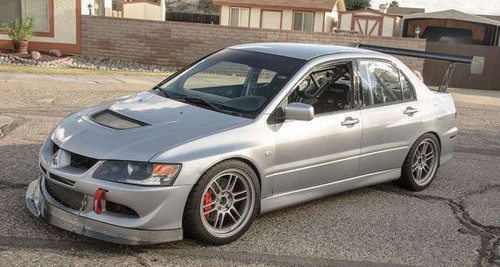
Wheel sizing varies by generation, but popular aftermarket setups include:
- 15x8 with 205/50R15: Classic setup with excellent tire selection
- 16x8 with 225/45R16: Good performance and ride quality balance
- 17x8 or 17x9: Maximum performance potential
Recommended wheels: Enkei RPF1 for lightweight forged construction, Konig Hypergram for excellent value, or 949 Racing 6UL for ultra-lightweight track use.
Tire recommendations:
- Street: Michelin Pilot Sport 4S, Continental ExtremeContact Sport
- Track: Bridgestone Potenza RE-71RS, Toyo Proxes RR
Competition Analysis
Toyota 86/Subaru BRZ
The 86/BRZ twins offer more power (228 HP in 2022+ models) and rear seats but weigh 400 pounds more and lack the Miata's perfect weight distribution and convertible experience.
BMW Z4
The current Z4 provides luxury and power (255-382 HP) but starts around $50,000—nearly double a base Miata's price—and lacks the engaging manual transmission option.
Fiat 124 Spider
Built on the ND platform, the 124 Spider uses a 1.4L turbo with more torque but has faced reliability concerns and lacks the Miata's naturally aspirated character.
Ownership Reality
The Good
- Exceptional reliability with engines regularly exceeding 200,000 miles
- Low running costs with 26-30 mpg fuel economy
- Strong community support through forums like Miata.net
- Excellent resale value, especially manual transmission models
The Challenges
- Limited practicality with minimal cargo space (4.6 cubic feet)
- Road noise from convertible top and minimal sound deadening
- Theft concerns, particularly with older NA/NB models
Common Issues by Generation
ND (2016+): Generally reliable with few widespread problems. Early models had some transmission noise concerns, resolved through revised fluid specifications.
NC (2006-2015): PRHT hydraulic failures are expensive. Soft-top models are more reliable.
NB (1999-2005): Rare short nose crankshaft issues in 1999-2000 models. VVT system requires regular oil changes.
NA (1990-1997): Crank angle sensor failures and critical 60,000-mile timing belt replacement on interference engines.
Who Should Buy One
The Miata is perfect for:
- First-time sports car buyers seeking an accessible entry into performance driving
- Track day enthusiasts wanting a reliable, affordable platform
- Driving purists who value engagement over raw power
- Weekend warriors seeking convertible fun without exotic car costs
When to Skip It
Consider alternatives if you need:
- Daily practicality with cargo space or rear seats
- Highway comfort for long-distance touring
- Straight-line speed over handling finesse
- All-weather capability in harsh climates
Final Verdict
The Mazda MX-5 Miata succeeds because it understands that the best sports cars aren't necessarily the fastest—they're the ones that deliver the biggest smile per mile. In an era of increasingly isolated driving experiences, the Miata remains refreshingly honest and rewarding.
The current ND2 generation represents the pinnacle of Miata development while maintaining the essential character that made the original special. With industry shifts toward electrification, this may be the last naturally aspirated Miata, making now an ideal time to experience this automotive icon.
For anyone seeking to understand what made sports cars special, the Miata provides that answer in its most distilled form. It's not about having the most power—it's about having the most fun.