
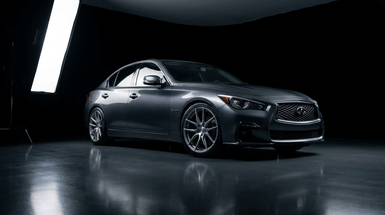
Q50 Red Sport Wheels: The Only Guide You'll Ever Need
What Wheels Fit a Infiniti Q50 Red Sport: Complete Fitment Guide
The Infiniti Q50 Red Sport demands respect when it comes to wheel fitment. This 400-horsepower luxury sedan can handle aggressive setups, but getting the specs wrong means rubbing, vibration, or worse. Whether you're chasing that perfect flush stance or maximizing track performance, understanding the fitment fundamentals will save you headaches and money.
Quick Navigation
- Quick Answer
- Key Takeaways
- Stock Wheel Specifications
- Most Popular Aftermarket Setups
- Maximum Aggressive Fitment
- Tire Recommendations by Category
- Spacers and Hardware Essentials
- Suspension and Lowering Impact
- Common Fitment Mistakes
- Who Should Buy Aftermarket Wheels
- When to Skip Aftermarket Wheels
- Final Verdict
Quick Answer
The Infiniti Q50 Red Sport uses a 5×114.3 bolt pattern with 66.1mm hub bore. Stock Red Sports run 19×9 front (+47 offset) and 19×9.5 rear (+50 offset) with 245/40R19 and 265/35R19 tires. Popular aftermarket setups include 19×9.5 +35 square with 255/40R19 tires for flush fitment, or aggressive 20×9/20×10.5 staggered with +25-30 offsets.
Key Takeaways
- Conservative flush: 19×9.5 +35 with 255/40R19 requires no modifications
- Aggressive limits: 19×10.5 +15 needs fender rolling and camber adjustment
- Big brake clearance: 18" wheels work but verify caliper clearance on Sport models
- Hub-centric rings essential: Use 66.1mm rings if wheel bore is larger
- AWD considerations: Keep front/rear tire diameters within 1% difference
Stock Wheel Specifications
All Q50 models share the same 5×114.3 bolt pattern and 66.1mm hub bore, but wheel sizes vary significantly by trim level.
Base and Mid-Trims start conservatively with 17×7.5" wheels (+45 offset) on 225/55R17 tires. Premium trims bump up to 18×7.5" (+45 offset) with 225/50R18 rubber. These sizes prioritize comfort and efficiency while staying well inside the fender lines.
Sport and Red Sport models get the performance treatment with staggered 19-inch setups. The factory configuration runs approximately 19×9 +47 front and 19×9.5 +50 rear with 245/40R19 and 265/35R19 tires respectively. This staggered setup enhances rear grip while maintaining sharp steering response.
Infiniti also offered 20×9 +45 front and 20×10 +45 rear as dealer accessories, proving the wheel wells can accommodate larger diameters with proper offset selection. The key insight: factory offsets are conservative (+45 to +50), leaving plenty of room for more aggressive aftermarket fitments.
Most Popular Aftermarket Setups
Three distinct approaches dominate the Q50 Red Sport aftermarket scene, each serving different priorities and budgets.
Flush OEM+ (19-inch Square) The 19×9.5 +35 square setup with 255/40R19 tires represents the sweet spot for many owners. This configuration pushes the wheels about 15-20mm further outward than stock, achieving that coveted flush look without requiring modifications. Popular wheel choices include:
- Enkei TSP5 or Raijin** (19×9.5 +35) - Flow-formed wheels around $350 each
- Aodhan AFF7 - Budget-friendly option around $1,000-$1,200 per set
- Volk Racing TE37 - Premium forged option at $700-$900 per wheel
- Rays Gram Lights 57DR - Cast flow-formed at ~$500 per wheel
This setup works on both RWD and AWD models, allows tire rotation, and maintains daily drivability with no rubbing concerns.
Plus-Sized Show Setup (20-inch Staggered) For maximum visual impact, the 20×9 front, 20×10.5 rear combination dominates social media builds. Typical offsets run +25 to +35, paired with 255/35R20 front and 285/30R20 rear tires. One documented example runs Vossen CVT wheels at 20×9 +38 front and 20×10.5 +30 rear with 255/35R20 and 275/35R20 tires, achieving flush fitment with just 4mm spacers and no rubbing on stock suspension.
Popular 20-inch choices include Vossen CVT and HF-5** ($600-$800 each), Rohana%20wheels) and Ferrada%20wheels) (~$400-$500 each), and Avant Garde M610 (~$450 each). The trade-off is reduced ride comfort due to thinner sidewalls, but the visual payoff is substantial.
Aggressive Lowered Setup Owners combining lowering springs or coilovers with aggressive fitment often run 19×9.5 or 19×10 wheels with +20 to +30 offsets. A real-world example features a 2018 Q50 Red Sport on RS-R springs running 19×9.5 +22 Varrstoen ES2 wheels with 245/40R19 tires, achieving flush stance with no rubbing after light fender rolling.
Maximum Aggressive Fitment
Understanding the absolute limits helps you push boundaries safely or avoid costly mistakes.
Without Fender Modifications Stock fenders accommodate approximately 19×10 +35 front and 19×10 +30 rear as the aggressive limit. Going beyond these specs typically results in fender contact during compression. The front is more restrictive due to suspension geometry and steering lock requirements.
With Fender Rolling and Camber Rolled fenders and negative camber unlock significantly more aggressive possibilities. We've documented builds running 19×10.5 +15 with 245/35R19 stretched tires, requiring rolled and slightly pulled fenders plus around -3° rear camber. Some extreme stance builds push to 19×10.5 +8, but this demands major fender modifications and extreme camber angles.
For performance-focused aggressive fitment, track enthusiasts have successfully fitted 18×10 +30 wheels with 275/40R18 tires using rolled fenders and -2° camber, maximizing contact patch while maintaining drivability.
Tire Recommendations by Category
Choosing the right rubber is crucial for performance and safety across different driving scenarios.
Street Performance (Summer Tires) The Michelin Pilot Sport 4S leads the pack for max-performance summer driving, offering excellent dry and wet grip with reasonable tread life. Expect around $300 per tire in 19-20" sizes. The Continental ExtremeContact Sport provides similar performance at slightly lower cost with softer sidewalls.
Budget-conscious owners gravitate toward the Firestone Firehawk Indy 500 at roughly $180 versus $300 for Michelins. It's essentially a rebranded older Bridgestone tire offering solid sporty performance for half the premium tire cost.
Track-Focused Options Serious track use demands 200-treadwear extreme performance tires. The Bridgestone RE-71RS and Yokohama Advan A052 deliver razor-sharp grip but wear quickly. Many track enthusiasts downsize to 18" wheels for cheaper tires and more sidewall protection.
All-Season Performance The Michelin Pilot Sport All Season 4 drives almost like a summer tire while providing cold weather and light snow capability. The Continental ExtremeContact DWS 06 Plus offers similar versatility with slightly softer sidewalls and lower cost.
Spacers and Hardware Essentials

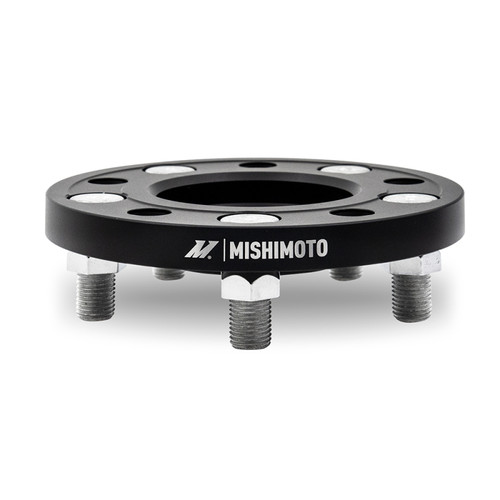
Quality spacers can fine-tune fitment, but proper selection is critical for safety and performance.
Hub-Centric vs Lug-Centric Always choose hub-centric spacers with 66.1mm center bore for the Q50. Hub-centric spacers maintain proper weight distribution and eliminate vibrations that plague lug-centric alternatives. Quality brands include H&R TRAK+, Eibach-ers-7-00-inch-l-x-2-50-inch-dia-x-650-lbs-coil-over-spring-0700-250-0650/), Project Kics, and Ichiba%20spacers).
Spacer Types and Sizing
- Slip-on spacers (3-10mm) slide over existing studs but may require longer lug nuts
- Bolt-on spacers (15mm+) attach to the hub with their own studs, providing better safety margins
Common Q50 applications include 5mm slip-ons for brake clearance, 15-20mm bolt-ons for flush fitment adjustments, and 20-25mm for converting high-offset OEM wheels to aggressive stance.
Suspension and Lowering Impact
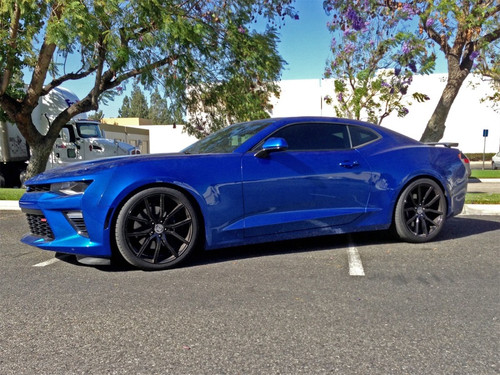

Suspension modifications dramatically affect wheel fitment requirements and clearances.
Lowering Springs vs Coilovers Popular lowering springs like RS-R Down, Eibach Pro-Kit, and Swift springs typically drop the car 1.0-1.4 inches while adding negative camber through suspension geometry. This camber gain actually helps aggressive fitments clear fenders by tucking the wheel tops inward.
Coilovers offer height adjustability and often stiffer spring rates that resist compression, potentially allowing more aggressive fitments without rubbing. However, some coilover designs may reduce inner clearance due to larger adjustment collars or different spring positioning.
Alignment Considerations Lowering typically requires alignment adjustments, especially rear camber correction. Many owners install rear camber arms to dial out excessive negative camber for tire wear while maintaining the stance benefits. Target alignment specs for lowered Q50s often run -1.5° front camber and -2° rear for balancing performance and tire life.
Common Fitment Mistakes
Learning from others' errors saves time, money, and frustration.
Hub Bore Oversights Missing hub-centric rings when wheel bore exceeds 66.1mm causes persistent vibrations that owners often blame on defective wheels or tires. Always verify hub bore compatibility and use proper centering rings.
Offset Miscalculations Focusing solely on offset numbers without considering wheel width leads to clearance problems. A +45 offset behaves completely differently on an 8" versus 10" wide wheel. Always evaluate offset and width together.
Brake Clearance Assumptions The Red Sport's large brake calipers require verification, especially with 18" wheels or certain spoke designs. Some wheels that fit base Q50 models won't clear the Sport's upgraded braking system.
Cheap Replica Risks Ultra-budget replica wheels often lack proper engineering, use inferior materials, and may not meet safety standards. Stick to reputable brands even in the budget category - wheel failure at highway speeds is catastrophic.
Who Should Buy Aftermarket Wheels
Aftermarket wheels make sense for Q50 Red Sport owners seeking improved aesthetics, performance, or both. Enthusiasts wanting that perfect flush stance will find the conservative factory offsets leave plenty of room for aggressive setups. Track-focused drivers benefit from lighter wheels and wider tire options for maximum grip.
Budget-conscious owners can achieve dramatic visual improvements with quality flow-formed wheels in the $1,200-$1,800 range, while those seeking ultimate customization can explore forged or custom 3-piece options.
When to Skip Aftermarket Wheels
Stick with factory wheels if you prioritize ride comfort above all else, live in harsh winter climates requiring frequent wheel swaps, or simply prefer the OEM aesthetic. The factory 19" staggered setup already provides good performance and attractive styling.
Owners planning to trade or lease return should also consider keeping original wheels to avoid complications and preserve resale value.
Final Verdict
The Infiniti Q50 Red Sport offers exceptional wheel fitment flexibility thanks to generous wheel wells and conservative factory offsets. Whether you choose the proven 19×9.5 +35 square setup for effortless flush fitment or push boundaries with aggressive staggered configurations, success depends on understanding the relationship between width, offset, and suspension modifications.
Quality matters more than ultimate aggressiveness - a well-executed moderate setup will look better and perform more reliably than an extreme fitment done poorly. Take time to research, buy from knowledgeable vendors, and don't cut corners on safety-critical components like hub-centric rings and proper lug nuts.
The Q50 Red Sport rewards thoughtful wheel selection with improved aesthetics and performance that enhance both daily driving and weekend adventures.
Shop at ThreePiece.us
Shop wheels for Infiniti Q50 Red Sport →