
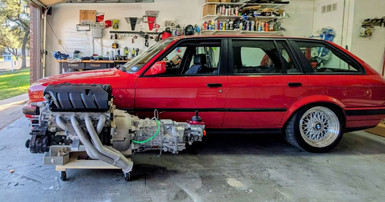
Is it worth LS swapping your car?
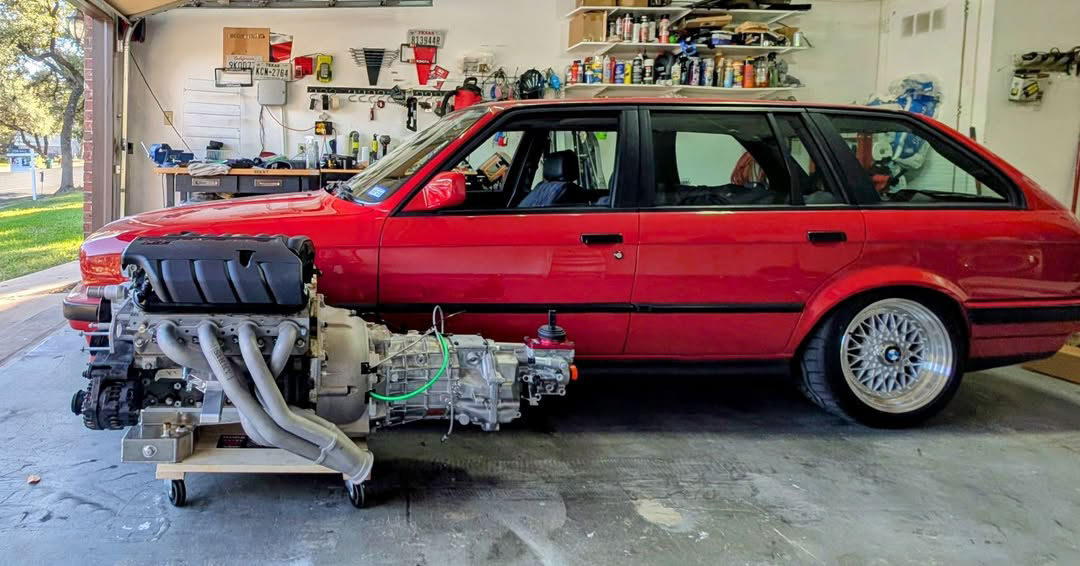
‘Just throw an LS in it!’ This platform is often the first thing people recommend when the idea of an engine swap comes up. But is it really worth it to do an LS swap? And are they as cheap as people make them out to be? These are hard questions to give a blanket answer to.
While we can’t tell you 100% if it will be right for you, we’ll do our best to cut through the hype and give you the straightup facts you need to know about Chevy’s most popular engine.
We’re going to give you a crash course in everything LS: why it was conceived, why it’s so popular, an overview of the different variants, and a few sample builds for different applications.
Quick links
- History of the GM LS
- Why the LS is legendary
- Why they're good for swaps
- Where the SR does/doesn't shine
- LS versions & differences
- Popular LS builds
- Are they right for you?
The history of the LS engine
The first thing to get out of the way: the term ‘LS’ is used colloquially to talk about GM’s Gen III, and later, Gen IV small-block engine families.
Gen III
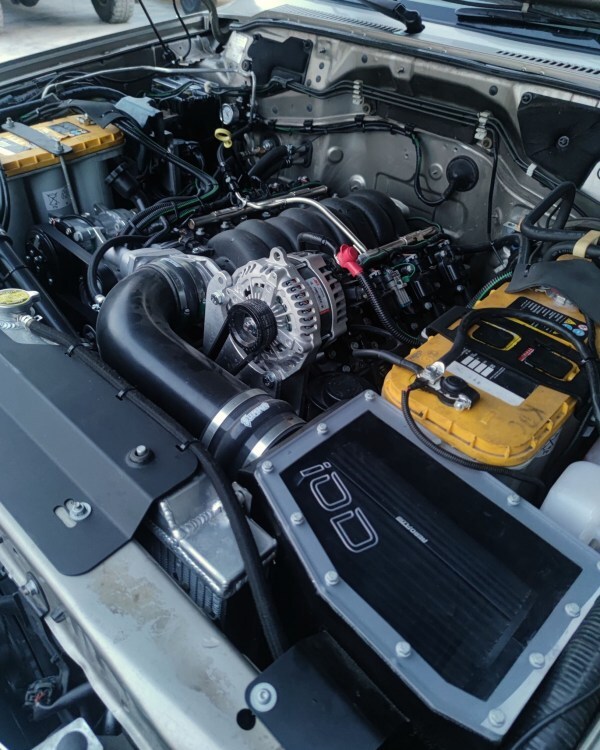
The LS1 was introduced in 1997 to go in the C5 Corvette. This engine was the successor to the Gen I/II Chevrolet small-block, arguably one of the best engines of its era. The Small Block Chevy (SBC) was needing an update, but not necessarily a clean-sheet design.
Rather than follow in the footsteps of Ford (or just about anyone else), with their Modular overhead-cam engines, Chevy stuck with the tried-n-true pushrod design. Pushrod engines don’t quite have the power potential of their modern DOHC counterparts, but the tradeoff is they’re simpler, lighter, and more compact–all of which makes them appealing for a swap.
The following year, 1998, the LS1 would make its way into the Camaro and Firebird. In 1999, GM started to use the LS architecture in some of their trucks and SUVs. The first of the truck engines were all iron blocks, but this would change in the coming years. While truck engines aren't dubbed ‘LS’, the overall architecture is the same (with many parts being shared).
In 2001, the LS6 was released for use in the Z06. It had the same displacement as the LS1 but made more power thanks to better flowing heads and intake, a more aggressive cam, and slightly higher compression.
Gen IV
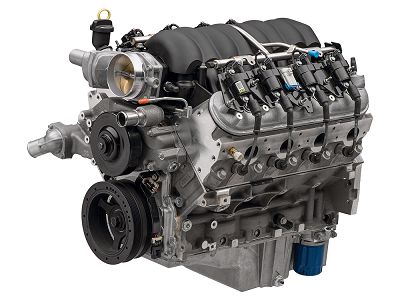
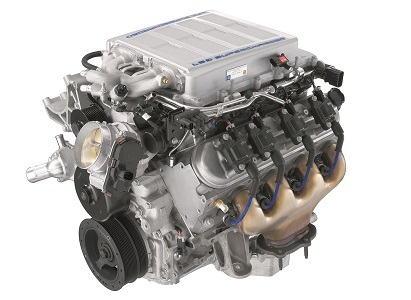
The next landmark for the LS was in 2005 when GM launched the ‘Gen-IV’, which brought a new LS2 that replaced the LS1. Rather than a complete redesign, this was more of a product lifecycle update. The LS2 could be found in the C6 Corvette, GTO, and Trailblazer. It was bored out to 4” (making it a 6.0L) and made around 400HP.
A new all-aluminum truck engine was introduced at this time. We’re not going to cover every single truck engine as that would take forever, we will however look at the important ones.
In 2006, we got the LS7 for the C6Z. It’s bored and stroked out to 7.0L and makes over 500HP NA. It has a dry sump, and a bunch of fancy internals like titanium rods.
For some reason, GM didn’t think the LS2 was adequate for the Corvette, so just three years later, in 2008, they made the LS3. The bores were increased 65 thou, making it a 6.2L. It also switched from cathedral-shaped ports to rectangles. Rec ports are the best flowing heads, making the LS3 one of the most desirable.
Since GM was on a roll, the next year they decided to make their magnum opus: the LS9/LSA. This is a supercharged 6.2L that makes 640HP. They’re only found in the C6 Corvette ZR1 and CTS-V. While it’s the same size as an LS3, it’s definitely not the same: the LS9 has a stronger block, better internals, and has a dry sump.
After the LS9, there were updates to the truck engines, but nothing major on the car side until the LT-family succeeded the LS in 2014.
Why are they so good?
From a technical point of view, lots of improvements were made over the previous generation Small Block.
One big improvement was seen in the main caps. The LS uses larger 6-bolt mains: 4 on top and 2 from the side. This gives the crank a ton of rigidity, helping things stay concentric at high load and rpm.
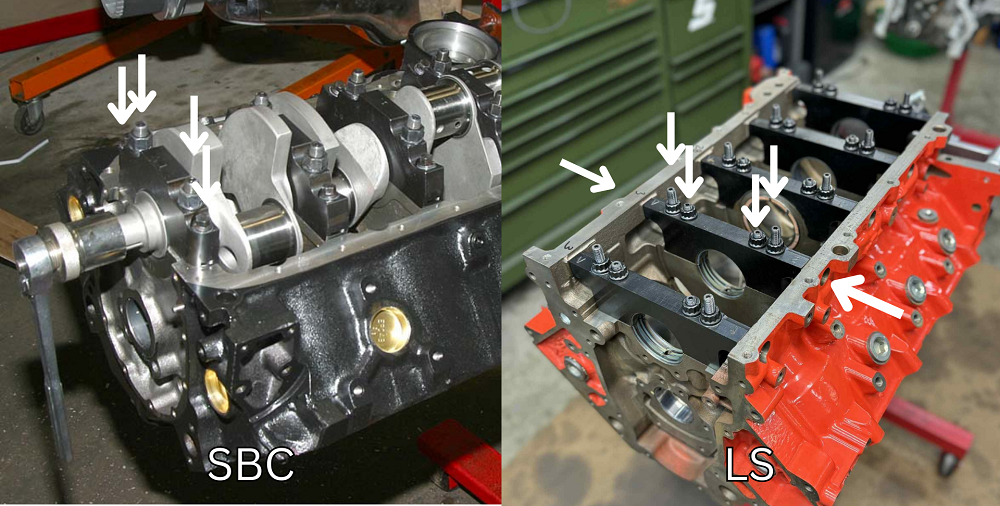
Basically, the entire bottom end is stronger: both the casting and all the internals. Not to mention, LS blocks have a higher deck height, which allows a longer stroke than the Small Block.
In the top end, the cam core is thicker (55mm), allowing more lift without ramp rates getting out of hand. There are three LS port designs, all of which have different flow characteristics, but all of them will outflow factory SBC heads. The valvetrain has been improved to sustain higher RPM with stronger and lighter components where necessary.
Another nicety is that most gasketed surfaces use O-rings, meaning things can be taken apart, serviced, and reassembled without RTV sealant (that stuff that takes hours to peel off your fingers).
In short, the LS takes everything good about the Small Block and modernizes it for higher power and RPM, plus adds a few lifecycle improvements along the way.
Why are they so popular for swaps?
So we mentioned how the pushrod design makes them compact, but let’s elaborate.
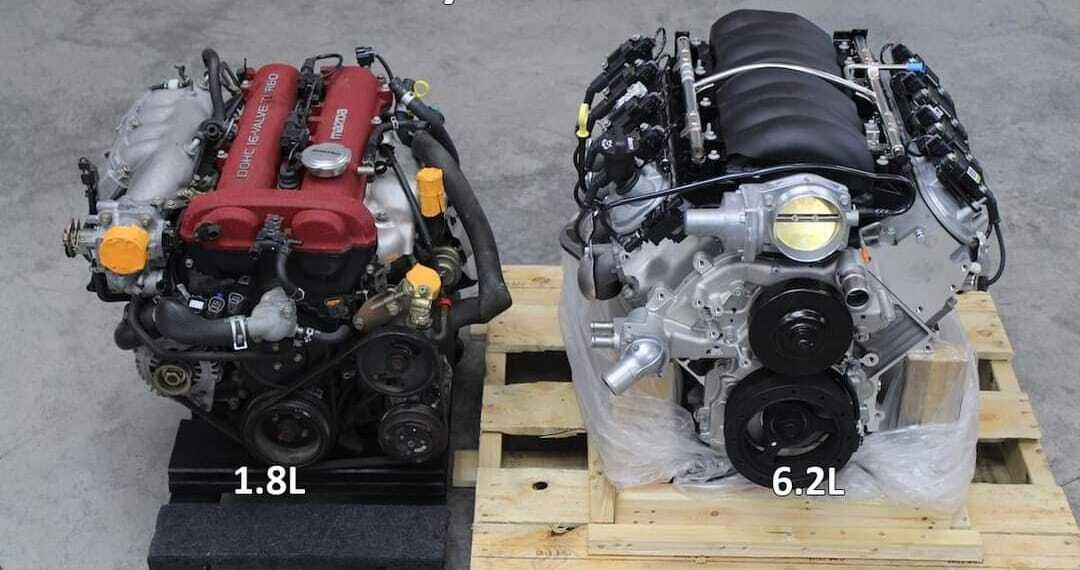
An LS will fit where most 4-cylinders will go. In the picture, we see it compared to a Miata MX-5 engine. It’s slightly longer due to the cylinders being staggered. The height is roughly the same. Really, the only concern would be width; including exhaust manifolds, a 90-degree V like the LS will definitely be wider than an I4.
Tip: If you’re seriously considering an LS swap and don’t know if it will fit, you can find mock-up ‘dummy’ engines that can be used as a reference before investing in the real deal. These only cost a couple hundred bucks and double as a fabrication aid.

‘Cheap’ is often used in the same sentence as LS, and while prices have gone up in the past couple of years, the LS platform will likely get you the best power-per-dollar returns of any engine swap. A fully dressed 4.8 or 5.3 from the junkyard should cost somewhere around $1000. Now, if you start going up the numbers in the LS family, the prices start to rise dramatically. A true Gen-IV LS3 from a Corvette or Camaro will run over $5K. However, starting with the truck counterpart (L92 or L99) is almost always cheaper, and with just a cam, intake, and tune, you can basically have the same engine.
We still haven’t detailed what exactly makes a ‘truck’ engine different from a ‘car’ engine. In the next section, we’ll look at the major differences
LS versions: picking the right one
There are so many LS and LS-variants that it will make your head spin. To make it a bit easier to digest, we can group them by different features. We already talked about Gen III vs Gen IV, but another distinguisher is the material used for the block.
Aluminum vs iron block
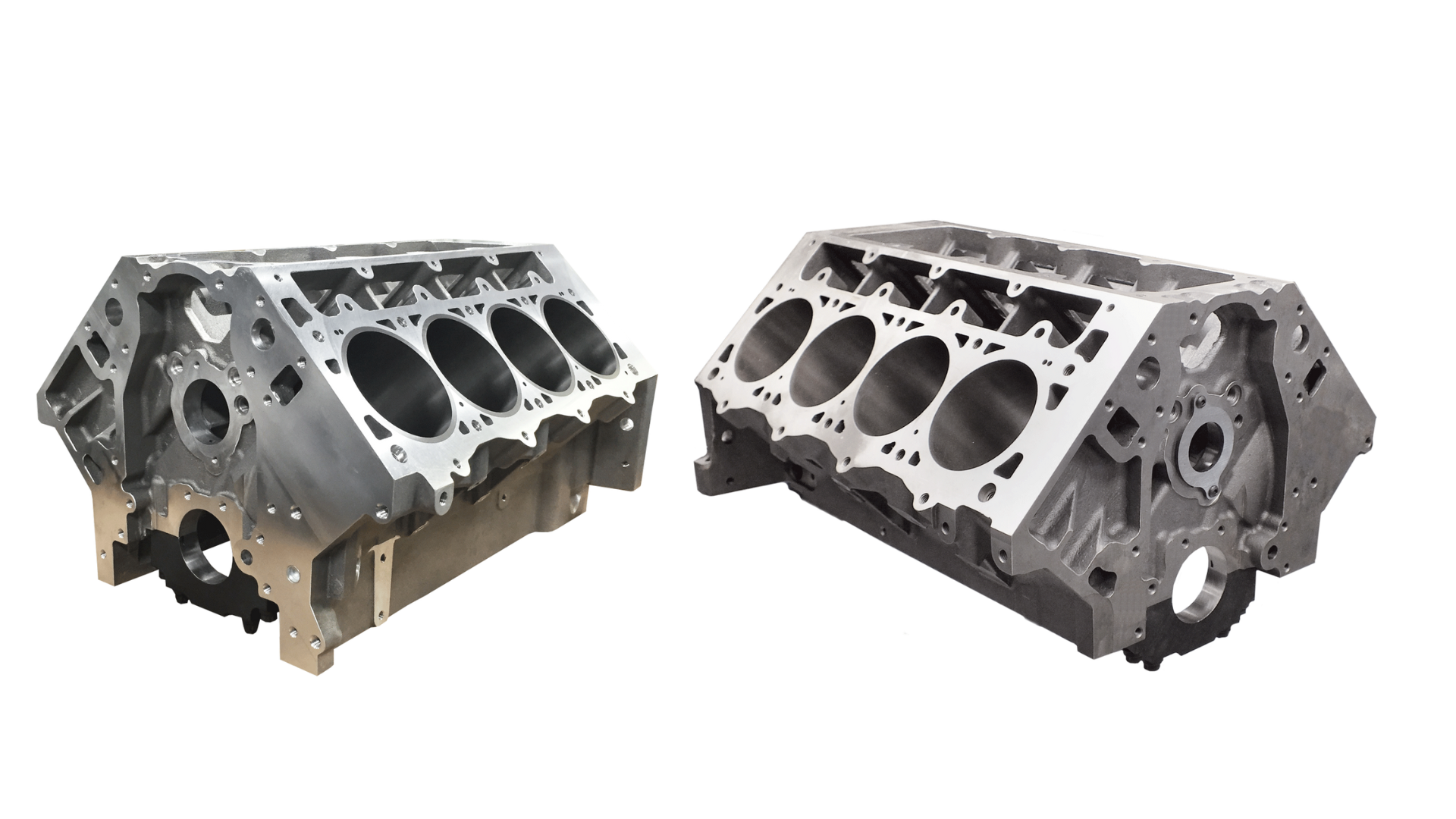
All of the car LS engines (LS1-LS9) are going to have an aluminum block, while on the truck side, you’ll find both iron and aluminum.
Aluminum block engines are going to be +/- 100lbs lighter than their iron counterparts. Also, because aluminum is more thermally conductive, it gives better cooling. The downside is that they’re not as strong–6.2 aluminum blocks in particular have been known to fail in high-power forced induction applications.
Iron blocks are brutes–it’s what makes stuff like the 2jz hold so much power in only 3.0L. Same goes for the LS engines. Normally, iron is perfect for boosted applications where the extra weight will be compensated for with a few more lbs of boost. Iron blocks only go up to a 4.0” bore, meaning they only come up to 6.0L. The only exception is the non-production LSX block, which has a 4.125” bore.
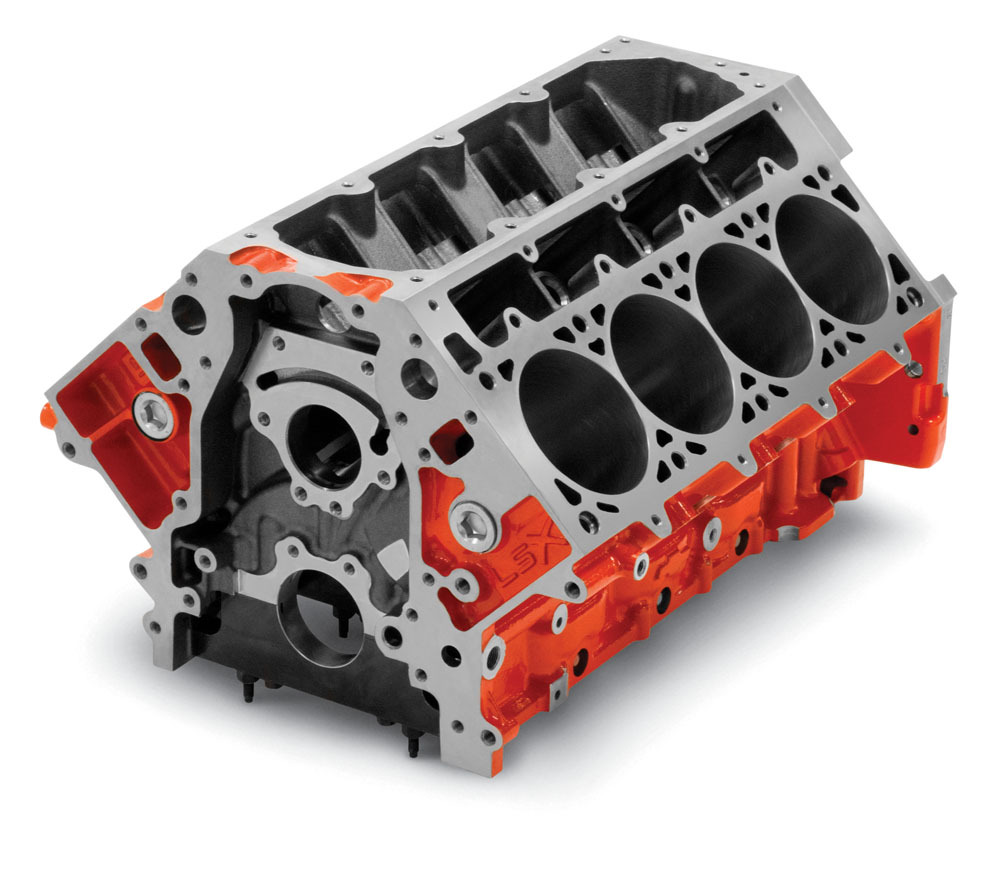
Generally, aluminum blocks will cost more, but again, there are lots of aluminum truck engines that can be found at your local junkyard.
Different sizes (displacements)
There are several bore and stroke combinations that result in 6 displacements:
- 4.8L (293 cu. in) – 3.780” bore / 3.267” stroke
- 5.3L (325 cu. in) – 3.780” bore / 3.622” stroke
- 5.7L (346 cu. in) – 3.898” bore / 3.622” stroke
- 6.0L (364 cu. in) – 4.000” bore / 3.622” stroke
- 6.2L (376 cu. in) – 4.060” bore / 3.622” stroke
- 7.0L (427 cu. in) – 4.125” bore / 4.000” stroke
Larger displacements don't make them physically bigger–the blocks and heads are all dimensionally the same.
Which LS is right for you?
This ultimately comes down to your goals for the build, and of course, your budget. Everyone wants an LS9 until they find out how much they cost.
The most economical way to go is starting with a truck motor, iron or aluminum, then building it to match or exceed the performance of its car counterpart.
Some might argue that an LS1/2/3 makes a better ‘drop-in’ swap, but we would counter by saying there are some basic refreshers that any LS needs regardless of where you buy it, that is, unless you’re buying a brand new crate engine from GM.
How to build an LS
Between all the factory options and aftermarket support, there are infinite possibilities on how to build one. Obviously, someone building a classic Nova for Cars & Coffee is going to take a different approach than someone putting an LS in an FR-S for circuit racing. We’re going to give three sample builds for three different use cases.
Mods that every LS needs
Regardless of what you’re doing with it, there are a few areas that need to be addressed.
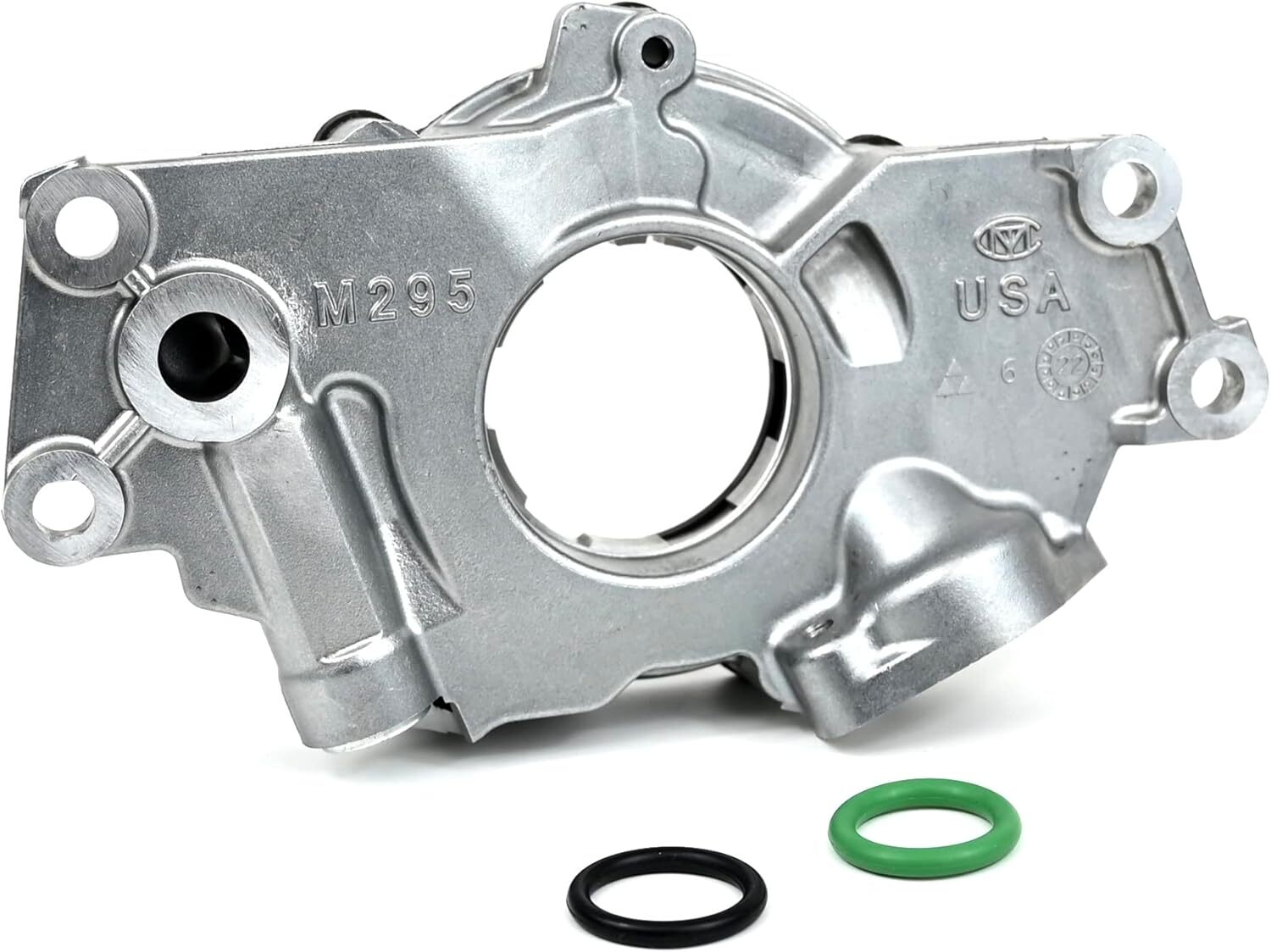
Oiling. If you look at LSs on Marketplace, you're bound to see sellers mentioning ‘good oil pressure’ or something along those lines. But, isn’t it a given that engines have good oil pressure? Well, you just found the single pitfall of the LS: oiling issues. There are a few things that can cause them to have low oil pressure; luckily, a few hundred dollars on parts can keep your engine happy.
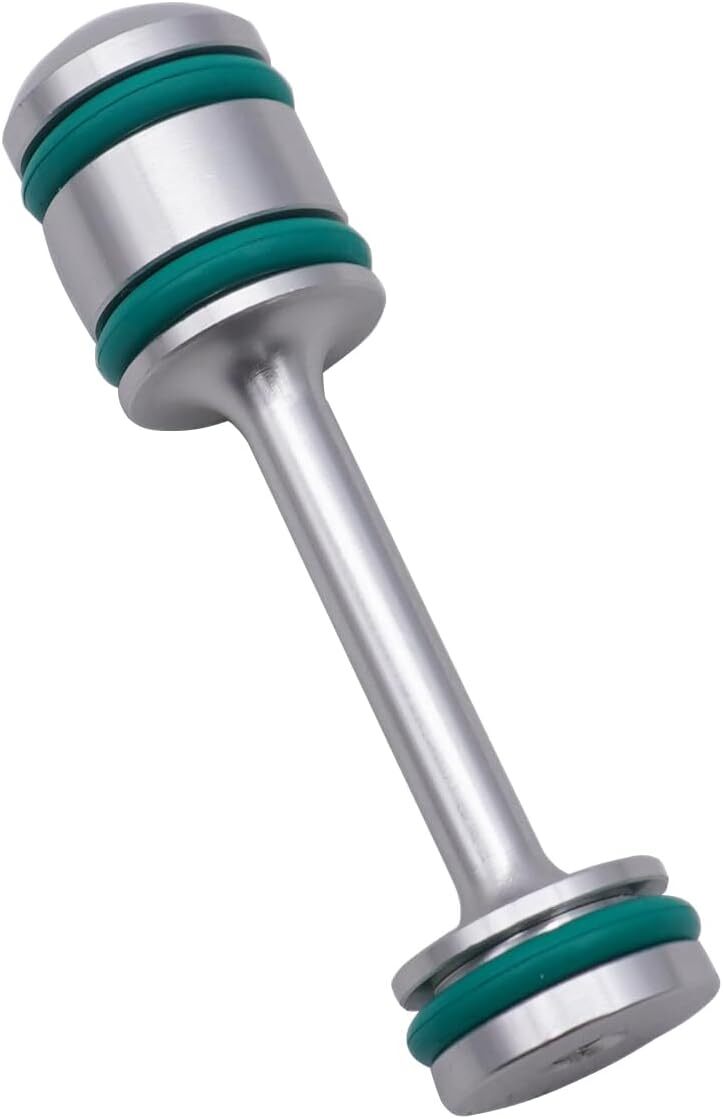
Get yourself a new standard flow oil pump. Don’t make the mistake of installing a high-flow pump on a stock sump because it will suck the oil pan dry. Replace the stock oil diverter valve (or “barbell”) with an upgraded aluminum one. Don’t forget about the cam retainer gasket.
Then, cross your T’s and dot your I’s when installing everything. Make sure you use the correct oil pickup tube o-ring.
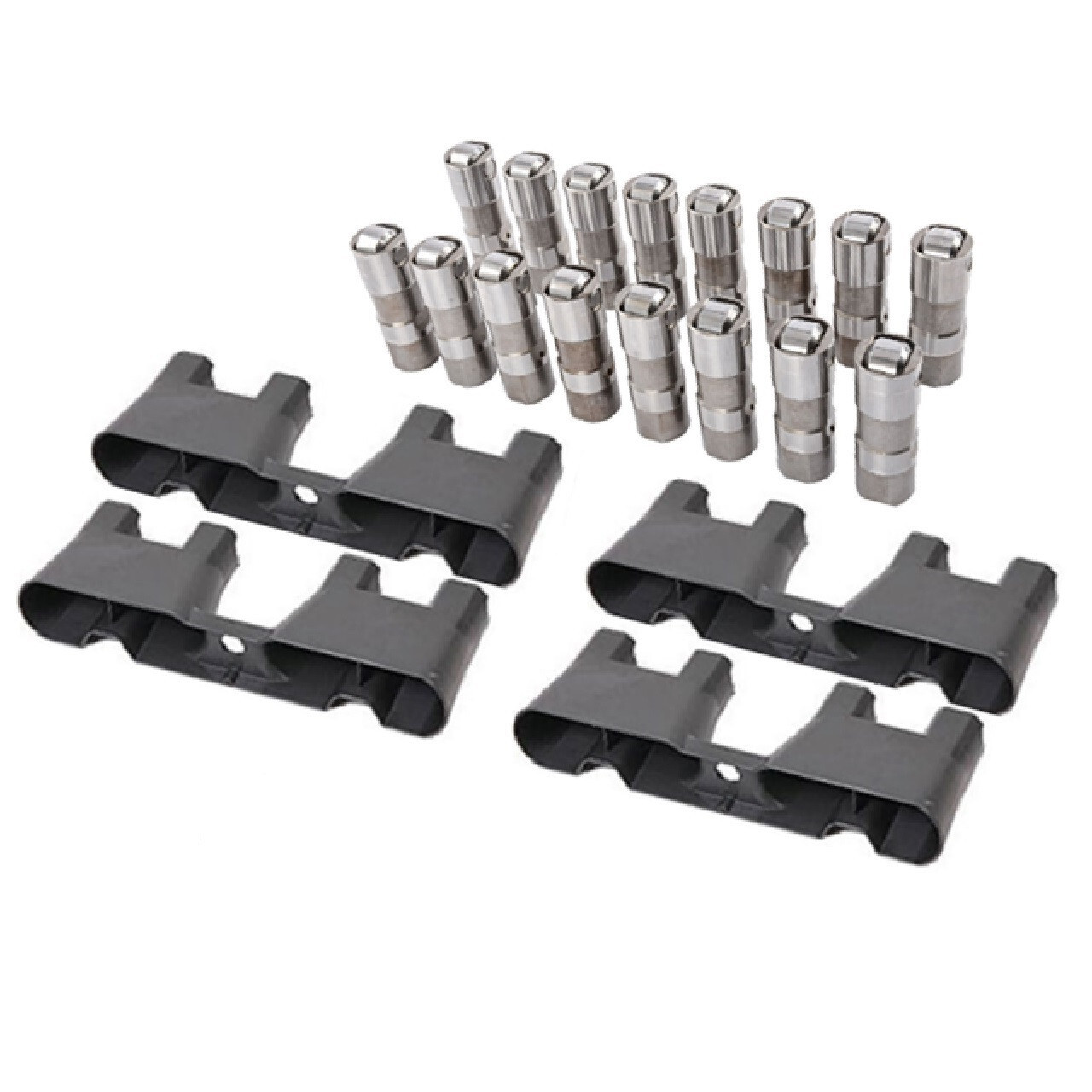
Valvetrain. On Gen-III engines, make sure to upgrade to ‘LS7-style’ lifters and trays. If you’re going to be building the head or running high RPMs, upgraded rocker arms can be a good idea.
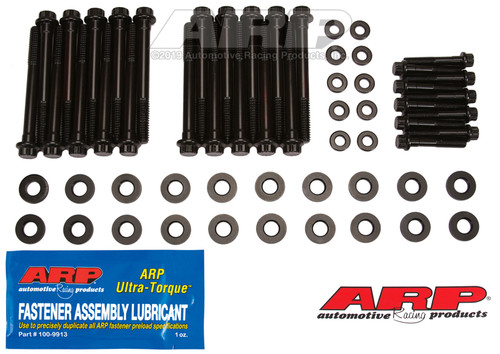
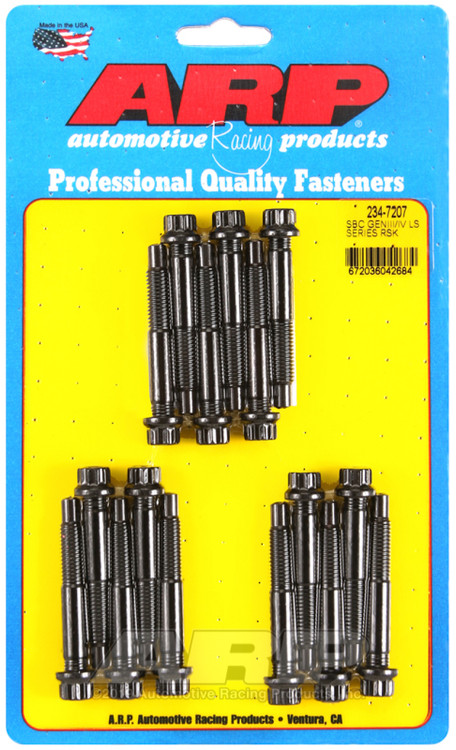
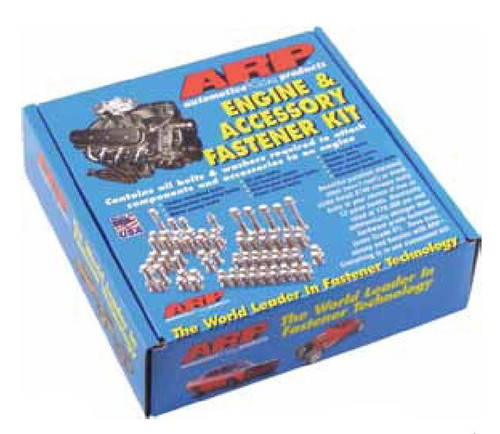
Fasteners. Head studs, cam bolts, main studs, etc: While not strictly required for lower power builds, aftermarket studs are nice to have. If you’re taking the heads off, you might as well throw in ARP head studs. The factory ones are torque-to-yield, AKA ‘one time use’. A set of aftermarket studs will quickly pay for itself.
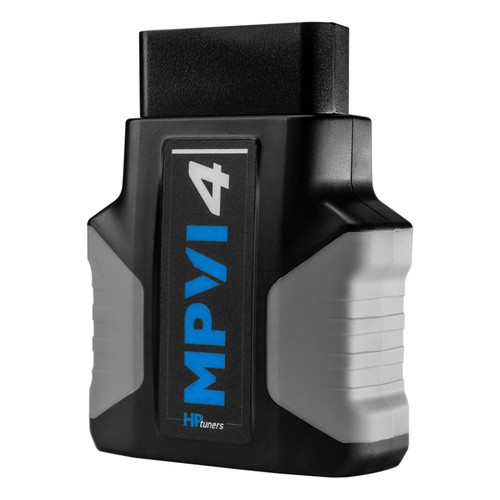
Engine management. There are tons have aftermarket ECUs that will plug-n-play with an LS. If you’re swapping a modern car, you might need CANbus capabilities to make everything work like stock. But for most swaps, a factory LS ECU with suffice–in fact, it’s usually the easiest method, and there’s tons of tuning potential with a program such as HP Tuners.
With these basic mods out of the way, you’re ready to personalize your LS. Here are some common builds:
-
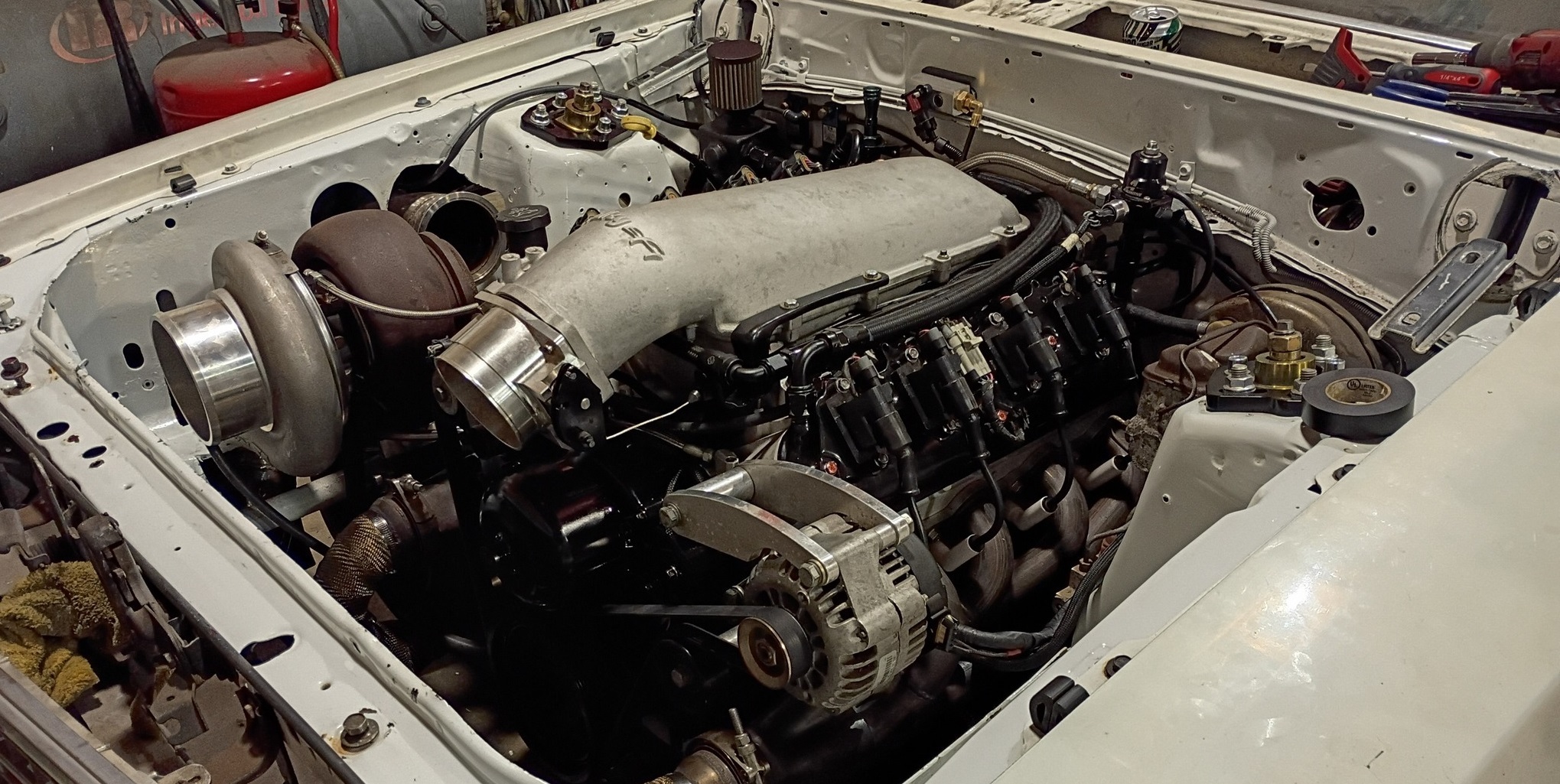
Turbo 5.3 de la junkyard ~ 500-600HP
BUILD LIST
Engine: 5.3 or 4.8 iron block (LM7, LR4, LY2, LMG, LY5)
Bottom end: Stock
Cylinder heads: Stock
Cam: BTR Truck Norris Cam (212/22X, .553/.553, 107 LSA)
Intake: Stock if it fits, LS2/LS6 if not.
Injectors: 50LB
Other: *optional* MLS head gaskets .060 (if opening engine)
Start with an iron block 4.8, or if possible, 5.3L. These are super cheap and come with the lowest compression ratio–perfect for boost. You can do the basic reliability mods and throw it in, but if you’re taking the heads off, it’s worth getting a thick MLS head gasket to drop the compression a bit more.
Spec your turbo(s) a bit higher than your desired power and you’re ready to make cheap power on the low.
This setup is awesome for a budget street car. For a track car, you’ll want to look into gapping the rings wider and upgrading the valve springs for reliability.
-
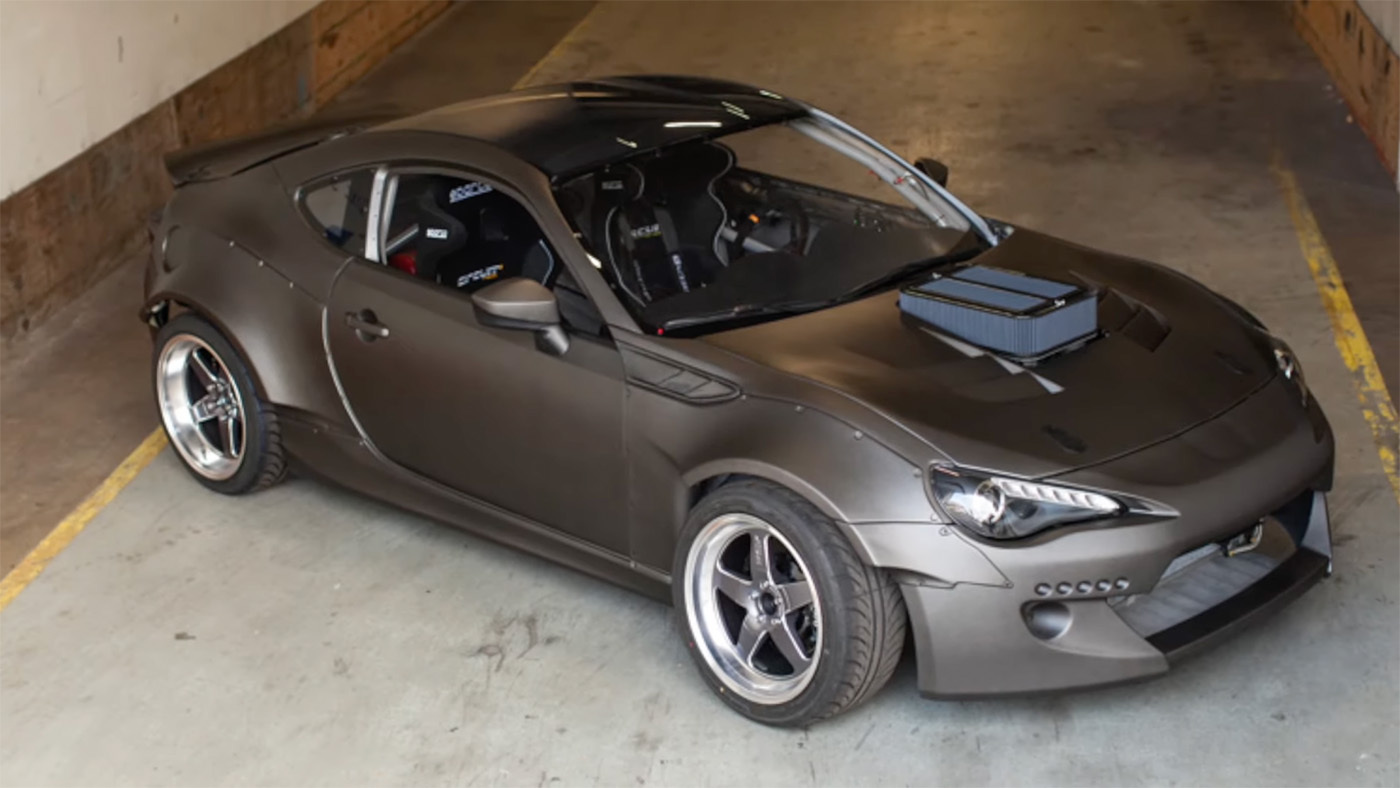
Naturally aspirated 6.2 ~ 450-500HP
BUILD LIST
Engine: 6.2 or 6.0 aluminum block (L92, L9H, L94, LS3)
Bottom end: Stock
Cylinder heads: Stock w/ .660 lift spring kit
Cam: Summit stage 4 (234/247, .625/.605, 113 LSA)
Intake: LS3
Injectors: 42LB LS3 injectors
Other: VVT/AFM delete parts *if applicable, updated GM valve covers
What if you’re building a light all-motor car? You want to maintain the weight bias and don’t need the strength of iron. In this case, aluminum is a no-brainer.
The engine you want is a 6.2 that comes in 2007+ Escalades and certain trucks of that era. While they're more expensive than an iron block, they're still a heck of a lot cheaper than an LS3, and with some basic mods, they can be just as potent.
The cam is everything. A stage 4 Summit cam is about the largest you can run without valve-to-piston-clearance issues. Along with your cam, you’ll need valve springs that can support the extra lift. And that’s all you really need for internals.
You’ll want to delete variable valve timing (VVT) and any unnecessary emissions stuff like AFM.
Truck intake manifolds flow pretty well, but the GM LS3 intake is one of the best, and they’re only like 250 bucks used.
The last thing is a nice set of longtube or shorty headers, whatever fits your application.
-
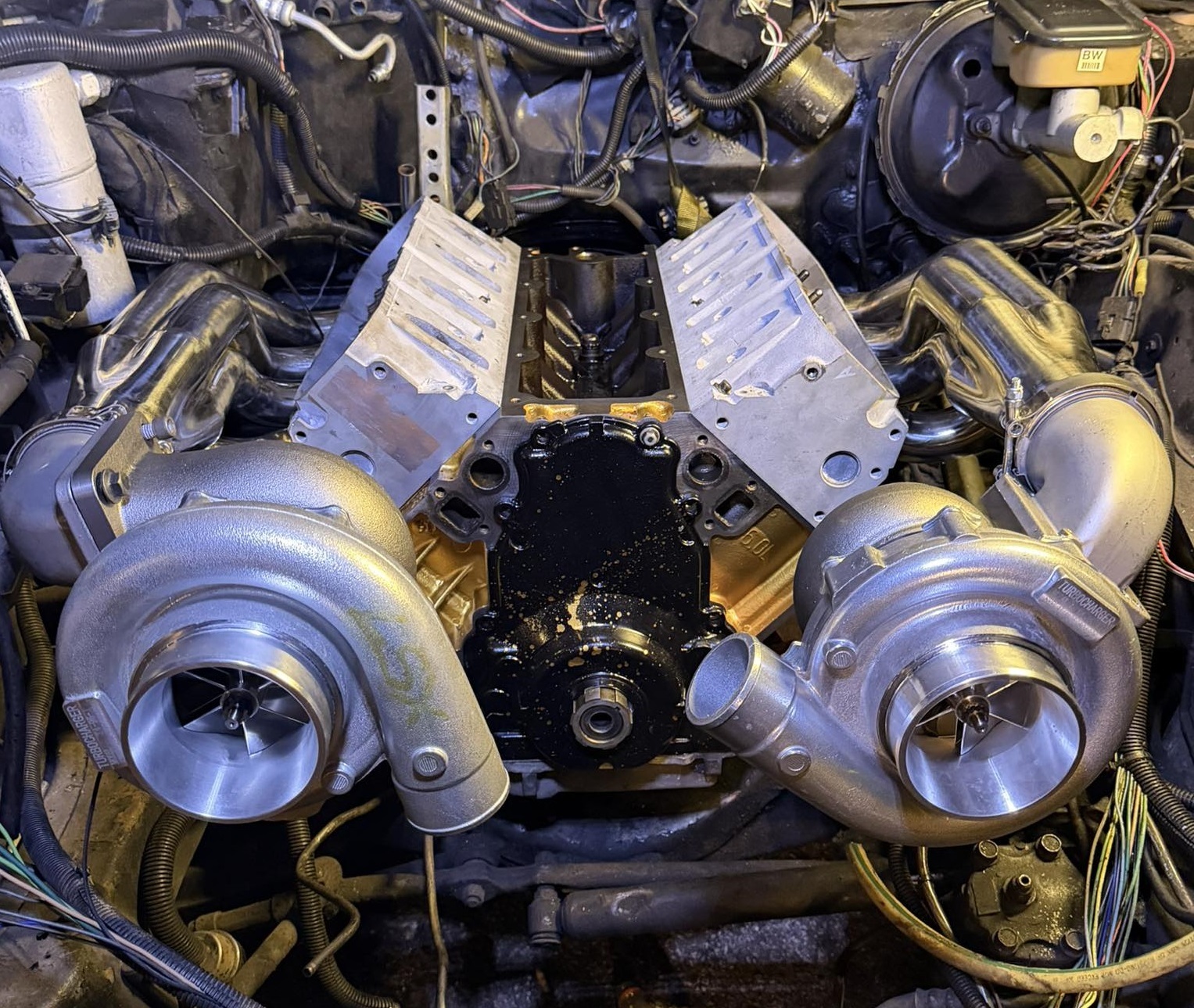
Fully built & boosted 6.0 ~ 800-1000+HP
BUILD LIST
Engine: 6.0 iron block (LQ4, LQ9, LY6, L76, LSX)
Bottom end: 4” stroker crank, 6.125” H-beam rods, 20cc dish forged pistons
Cylinder heads: Texas Speed Brawler LS3 heads, solid roller lifters
Cam: Comp Cams Stage 2 Turbo cam (242/254, .672”/.668”, 113 LSA)
Intake: Holley mid-ride manifold
Injectors: 1000cc
Other: Main/head studs, MLS head gasket, FAST coilpacks
This is an all-out build with race use in mind, particularly drift or drag.
We start with an iron block 6.0, then install a 4” stroker to make it a 408 cu. In. (6.7L). If you don’t want to go the stroker route, use a GM LSA crank. Either way, you’ll want 6.125” H-beam rods and forged pistons with big valve pockets. The target compression will be 9:1-9.5:1.
Rec-port heads flow the best, so 823 ‘LS3-style’ heads are what you want–either built factory heads or aftermarket ones. For drift or drag, you’ll want solid rollers and a suitable cam. If possible, it’s probably worth adding a larger capacity oil pan and high-capacity pump.
Other odds and ends are needed to support higher HP: upgrades coilpacks, main/head studs, and an MLS head gasket are a few examples.
Now you have a long block ready for pretty much anything. Size your turbo(s) correctly, and you’re ready to run 9’s or sign up for your local pro-am drift event.
Should you do an LS swap?
So we know the history of the LS, why they’re popular, different versions, and a few ways to build them. Now, back to the question at hand, ‘Is the LS the right engine for your swap?’
Through a purely utilitarian lens, the answer is a resounding ‘YES!’
Regardless of what you’re building, there’s undoubtedly an LS build that will suit your needs. ‘If it fits, it ships.’ And it likely fits given the compact form factor of a pushrod V8. Even if you have room for an OHC V8, the upfront cost will be higher, and even higher yet to build.
For modern pushrod V8s, the LS stands alone. There’s always the HEMI, or its successor, the LT, but both of them are markedly larger expensive and less supported by the aftermarket.
Really, the only arguments against an LS are sentimental ones: maybe you want to keep your project ‘on brand’ by swapping a BMW V8 into your BMW; or you want your muscle car to be ‘period-correct’; or maybe you just want ‘the sound of an inline-6’. And it’s hard to argue these–after all, cars are about the overall experience, not just power figures. But, if you’re looking for a swap that gives you the easiest and cheapest power, the LS is hard to beat.