
Is a Cold Air Intake Worth It? Expert Deep Dive
Is a Cold Air Intake Worth It? The Real Performance Story
Cold air intakes rank among the most popular first modifications for car enthusiasts, promising easy bolt-on horsepower gains. But after testing multiple platforms – from turbocharged Subaru WRXs to high-revving Honda Civic Sis, VW GTIs, Mazda Miatas, Ford Mustang GTs, and Nissan 350Zs – the reality sits somewhere between marketing hype and skeptical dismissal.
Quick Navigation
- Quick Answer
- Key Takeaways
- How Cold Air Intakes Actually Work
- Types and Top Brands
- Installation and Common Mistakes
- Real-World Performance Data
- Platform-Specific Considerations
- Daily Driving Impact
- Who Should Buy One
- When to Skip It
- Final Verdict
Quick Answer
A quality cold air intake typically adds 5-10 horsepower on most vehicles, improves throttle response slightly, and significantly enhances engine sound. While manufacturers often claim 15-25 hp gains, independent dyno tests consistently show single-digit improvements on otherwise stock engines. The real value lies in the enhanced driving experience and supporting future modifications rather than dramatic power increases.
Key Takeaways
- Realistic gains: 3-12 horsepower on stock engines (1-3% improvement)
- Best value: $200-400 range from reputable brands like K&N, AEM-3-5-bar-map-or-50-psia-brass-sensor-kit-flying-lead-30-2131-50/), Injen-19-22-hyundai-veloster-n-2-0l-turbo-evolution-intake-dry-filter-evo1300/), or Cobb-04-05-subaru-forester-xt-5-speed-double-adjustable-short-shifter-211317/)
- Sound enhancement: Significant improvement in intake noise and turbo sounds
- Platform matters: Turbocharged engines show better gains, especially when tuned
- Installation: DIY-friendly 30-60 minute project with basic tools
- Maintenance: Reusable filters require periodic cleaning but eliminate replacement costs
How Cold Air Intakes Actually Work
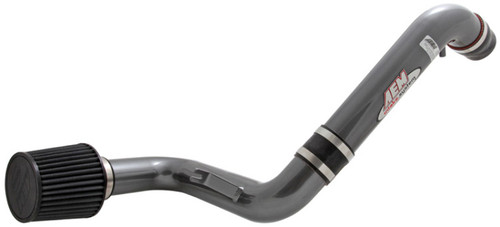
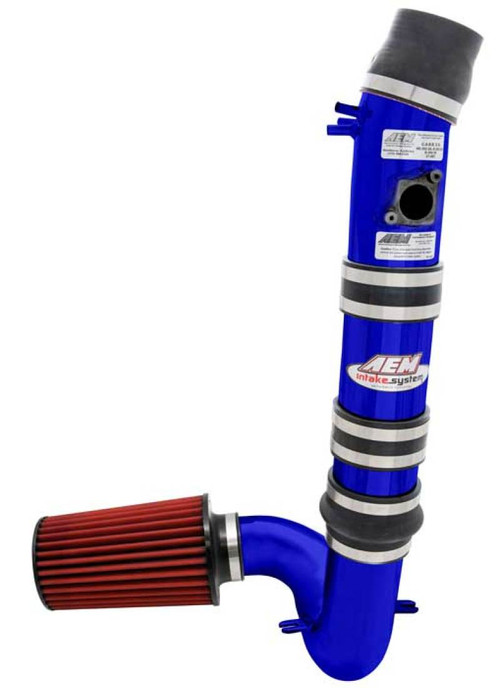
Your engine operates as an air pump, mixing oxygen with fuel for combustion. Cold air contains more oxygen per unit volume – roughly 1% denser for every 10°F temperature drop. Factory intakes draw air from engine bays that can reach 150-200°F, while well-designed cold air intakes relocate the filter to grab air 30-60°F cooler.
The second benefit comes from reducing airflow restrictions. Stock systems prioritize cost, noise reduction, and packaging constraints over maximum flow. They often feature narrow tubing, sharp bends, and restrictive filter elements. Aftermarket intakes use wider, smoother piping (typically 3+ inches) and high-flow filters with greater surface area.
However, modern factory intakes aren't always as restrictive as enthusiasts assume. Many late-model performance cars already incorporate effective cold air sources from the factory. A poorly designed aftermarket intake can actually lose power if it disrupts airflow meter readings or draws hotter air than the stock setup.
Types and Top Brands
Design Variations
- Open vs. Enclosed: Open-element filters flow more air and create louder intake noise but can draw hot engine bay air. Enclosed systems with heat shields maintain cooler, more consistent temperatures.
- Short Ram vs. True Cold Air: Short rams keep filters in the engine bay for easy installation but limited temperature benefits. True cold air intakes extend tubing to place filters in cooler locations like fender wells or behind bumpers.
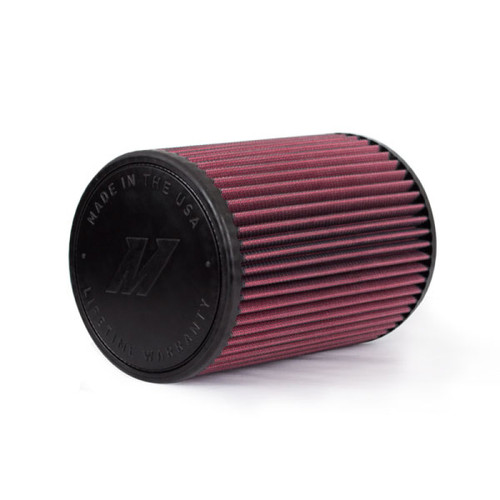
- Filter Media: Oiled cotton-gauze filters (K&N style) offer excellent flow but require periodic maintenance. Dry synthetic filters need less maintenance but may flow slightly less.
Brand Recommendations by Price
Budget ($150-250)
- Spectre Performance: Basic kits around $80-150, adequate for sound enhancement
- Quality varies; minimal heat shielding
Mainstream ($250-400)
- K&N Engineering: 63 Series AirCharger kits ($300-370), often CARB-approved
- AEM: DryFlow synthetic filters, true CAI designs ($250-350)
- Injen Technology: SP Series cold air designs ($300-400), includes heat shields
Performance-Focused ($300-500)
- Cobb Tuning: SF Intake systems for turbo cars ($195-490 with airbox)
- Mishimoto-performance-air-filter-4in-inlet-6in-filter-length-mmaf-4006/): OEM-like appearance with performance gains ($300-400)
- AFE Power: Momentum GT series with large sealed airboxes ($400+)
Installation and Common Mistakes
Most cold air intake installations rate 2-3 out of 10 in difficulty, requiring basic tools and 30-60 minutes. The process typically involves loosening hose clamps, removing factory components, and installing the new system using existing mounting points.
Critical Installation Tips
- Always disconnect the battery to reset ECU trims
- Handle the mass airflow (MAF) sensor carefully – don't touch the sensing element
- Ensure proper MAF orientation (look for directional arrows)
- Tighten clamps securely but don't overtighten to avoid cracking components
- Reconnect all vacuum lines and breather hoses
- Check clearances to prevent rubbing against hot or sharp surfaces
Common Mistakes to Avoid
- Forgetting to reconnect the MAF sensor (immediate check engine light)
- Over-oiling reusable filters (can contaminate MAF sensor)
- Improper mounting leading to vibration or movement
- Installing intakes requiring tunes without proper calibration
Real-World Performance Data
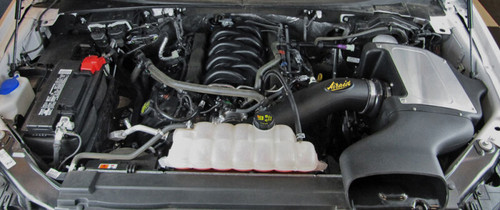
Naturally Aspirated Engines
- Small displacement (Miata, base Civic): 0-5 hp gain, mostly sound improvement
- Performance NA (Civic Si, BMW 3.0L): 3-10 hp gain, 1-3% improvement
- Large V8s (Mustang GT): 5-15 hp gain, better throttle response
Turbocharged Engines
- Factory turbo 4-cylinders (WRX, GTI): 5-10 hp stock tune, 10-20 hp with proper tuning
- Larger turbo engines: 10-15 hp gain, significant improvement with tuning
- Better heat soak resistance and more consistent power delivery
Real Example: Testing a 2023 Honda Civic Type R showed a properly designed cold air intake (AEM kit) produced 307 hp versus 298 hp stock – a 9 hp gain with intake air temperatures dropping from 145°F to 105°F. A short ram intake in the same test yielded virtually no improvement due to minimal temperature reduction.
Platform-Specific Considerations
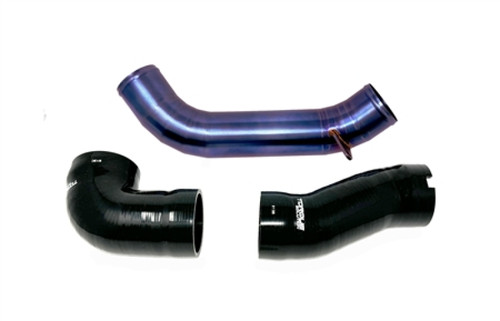
Subaru WRX/STI: Requires ECU tuning for safe operation. Without proper calibration, the sensitive MAF-based fueling can cause dangerous lean conditions. With tuning, expect 10-15 hp gains and enhanced turbo sounds.
Mazda MX-5 Miata: Modest power gains (4-5 hp) but significant sound enhancement. Well-balanced stock systems mean improvements are mainly auditory and slight throttle response gains.
Honda Civic (including Si/Type R): Traditional strong response to intakes, especially at high RPM. VTEC engines benefit from improved breathing in the upper rev range. Turbo models show better gains with tuning.
Volkswagen GTI: Efficient stock intake system limits gains to 5 hp or less on stock tune. Primary benefits are enhanced turbo sounds and support for future modifications.
Ford Mustang: V8 models show 8-12 hp gains, often requiring tunes for maximum benefit. EcoBoost variants gain turbo noise and modest power improvements.
Nissan 350Z/370Z: VQ engines respond moderately with 3-7 hp gains. Known for potential resonant "honk" around 3000 RPM with some open intakes.
Daily Driving Impact
Cold air intakes primarily affect the auditory experience during acceleration. You'll hear deeper intake growls on naturally aspirated engines and enhanced turbo spool, blow-off valve sounds on forced induction cars. At cruise and light throttle, well-designed intakes remain relatively quiet.
Practical Considerations
- Slight improvement in throttle response
- No impact on fuel economy in most cases (despite marketing claims)
- Potential for increased noise during acceleration
- No effect on ride quality, braking, or other vehicle systems
- Possible heat soak in stop-and-go traffic with open-element designs
Who Should Buy One
Ideal Candidates
- Enthusiasts planning additional modifications (tunes, exhaust, etc.)
- Turbo car owners who want enhanced sounds and plan to tune
- Drivers in hot climates seeking heat soak resistance
- DIY enthusiasts looking for an accessible first modification
- Show car builders wanting improved under-hood aesthetics
- Those who value the enhanced driving experience over pure power gains
When to Skip It
Better Alternatives Exist For
- Owners expecting dramatic power increases from a single modification
- Those with modern performance cars having optimized factory intakes
- Budget-conscious modders who haven't addressed tires, brakes, or tuning first
- Drivers preferring quiet, refined operation
- Frequent deep-water drivers concerned about hydrolock risk
- Warranty-conscious owners in strict emissions states without CARB-approved options
Final Verdict
A cold air intake is worth it for enthusiasts who understand its limitations and value incremental improvements. At $200-400, quality intakes deliver measurable gains: 5-10 horsepower, improved throttle response, and significantly enhanced engine sounds. These changes are real and consistent, making the driving experience more engaging.
However, don't expect transformation. Cold air intakes work best as supporting modifications in a broader build strategy rather than standalone power adders. The cost-per-horsepower ratio isn't spectacular, but the enhanced auditory experience and satisfaction of modification often justify the investment for enthusiasts.
Bottom Line: If you're gradually building your car, enjoy mechanical projects, and want that extra layer of engagement in your driving experience, a cold air intake is a satisfying upgrade. If you're purely focused on maximum performance per dollar or prefer stock refinement, invest elsewhere first and consider an intake later in your modification journey.
Choose reputable brands, ensure proper installation, and consider supporting modifications like tuning to maximize benefits. Done right, you'll join the ranks of satisfied drivers who smile a bit wider every time they hear their engine breathe through that new cold air intake.