
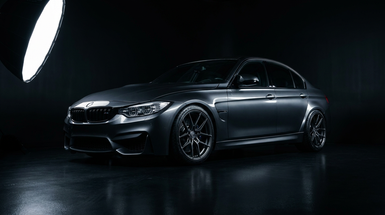
F80 M3 Wheel Fitment: The Only Guide You'll Ever Need
What Wheels Fit a BMW F80 M3: The Complete Fitment Guide
The BMW F80 M3 is a high-performance machine where proper wheel fitment isn't just about looks—it's critical for handling, safety, and getting the most from your investment. Get the fitment wrong, and you'll hear that telltale "tchhhh" of tire hitting fender, see visible tire gouges, or worse—shred expensive rubber in a week because aggressive offset caused the tire to slice itself on the fender lip.
Quick Navigation
- Quick Answer
- Key Takeaways
- Stock Wheel Specifications by Year and Trim
- Popular Aftermarket Wheel Sizes
- Aggressive Fitment Limits
- Tire Recommendations by Use Case
- Spacers and Adapters Done Right
- Suspension Impact on Fitment
- Common Fitment Mistakes to Avoid
- Who Should Upgrade Their Wheels
- When to Skip Aftermarket Wheels
- Final Verdict
Quick Answer
All F80 M3s (2015-2018) use a 5×120 bolt pattern with 72.6mm center bore and M14×1.25 thread pitch. Stock wheels range from 18×9/18×10 (ET29/ET40) to 20×9/20×10 (ET29/ET40) depending on trim. Popular aftermarket setups include 19×9.5/19×11 with ET20-25 front and ET30-40 rear, running 265/35R19 and 295/30R19 tires.
Key Takeaways
- Hub-centric fit is mandatory - use 72.6mm bore wheels or quality hub rings
- Conservative offsets work best - ET20-25 front, ET30-40 rear for most setups
- Tire width limits: 275mm front, 305mm rear without fender modifications
- Lowering changes everything - adds camber but reduces compression clearance
- Quality matters - cheap replica wheels can crack under the M3's performance demands
Stock Wheel Specifications by Year and Trim
2015-2016 Base M3
The early F80 came with two factory options:
Standard 18" wheels (Style 513M)
- Front: 18×9.0" ET29 with 255/40 ZR18 tires
- Rear: 18×10.0" ET40 with 275/40 ZR18 tires
- Typically equipped with Michelin Pilot Super Sport
Optional 19" wheels (Style 437M)
- Front: 19×9.0" ET29 with 255/35 ZR19 tires
- Rear: 19×10.0" ET40 with 275/35 ZR19 tires
- Required for M Carbon Ceramic brake package
Both setups use conservative offsets that tuck wheels well inside fenders, leaving plenty of room for aftermarket upgrades.
2017-2018 Competition Package
The Competition Package introduced striking 20" Style 666M wheels:
- Front: 20×9.0" ET29 with 265/30 ZR20 tires
- Rear: 20×10.0" ET40 with 285/30 ZR20 tires
The wider tires (10mm more front and rear) give a more aggressive stance while maintaining the same conservative offsets.
2018 M3 CS Limited Edition
The M3 CS used a unique staggered diameter setup:
- Front: 19×9.0" ET27 with 255/35 R19 tires
- Rear: 20×10.0" ET40 with 285/30 R20 tires
- Factory equipped with Michelin Pilot Sport Cup 2 semi-slicks
Popular Aftermarket Wheel Sizes
19" Staggered - The Sweet Spot
The most popular upgrade path uses 19×9.5" front and 19×11" rear wheels. This setup maximizes tire footprint while maintaining reasonable ride quality.
Typical specs:
- Wheels: 19×9.5" ET20-25 front, 19×11" ET30-40 rear
- Tires: 265/35ZR19 front, 295/30ZR19 rear
- Popular brands: Apex EC-7 (~$400 each), Volk TE37 (~$1200 each), Forgestar F14 (~$500 each)
One proven setup runs 19×9.5 ET20 front with 19×11 ET33 rear on lowering springs with 275/30R19 and 305/30R19 Michelin PS4S tires—achieving flush stance with zero rubbing after alignment.
20" Staggered - Maximum Impact
For those wanting the biggest visual impact, 20×10" front and 20×11" rear wheels deliver:
- Typical offsets: ET20-25 front, ET30-35 rear
- Tires: 265/30ZR20 front, 295/30ZR20 rear
- Brands: HRE FF04, Vossen%20wheels) hybrid-forged, BC Forged
A known working setup is 20×10 ET25 front with 20×11 ET35 rear on KW coilovers, running 265/30 and 295/30 tires with no rubbing issues.
18" Track Setup - Function First
Serious track enthusiasts often downsize to 18×10" square setups:
- Wheels: 18×10" ET22-25 all around
- Tires: 275/35R18 in track compounds (Yokohama A052, Bridgestone RE-71RS)
- Benefits: Thicker sidewalls, lighter wheels, cheaper tires, better pothole resistance
Aggressive Fitment Limits
Front Axle Maximums
- Width: 10.5" is about the limit without serious modifications
- Offset: ET20 on a 10" wheel is extremely aggressive
- Tire: 275mm width is the practical maximum
Rear Axle Maximums
- Width: 11.5" can fit with proper offset and fender work
- Offset: ET25 on an 11" wheel requires rolled fenders
- Tire: 305mm width needs careful alignment and possibly fender modifications
Going beyond these limits typically requires fender rolling, increased negative camber, or aftermarket wide-body kits.
Tire Recommendations by Use Case
Street Performance Summer Tires
- Michelin Pilot Sport 4S: The gold standard for all-around performance
- Continental ExtremeContact Sport: Excellent alternative, slightly less expensive
- Budget option: Firestone Firehawk Indy 500 or Hankook Ventus V12 evo2
Track-Focused Tires
- Michelin Pilot Sport Cup 2: Street-legal track tire (180 treadwear)
- Yokohama Advan A052: Current autocross/track king (200 treadwear)
- Bridgestone RE-71RS: Successor to the famous RE-71R
- Toyo Proxes R888R: Popular R-compound for track days
All-Season Options
- Michelin Pilot Sport All Season 4: Near summer-tire performance in cold weather
- Continental ExtremeContact DWS 06 Plus: Well-regarded sporty all-season
Spacers and Adapters Done Right
When You Need Spacers
- Flush out conservative OEM wheels (common: 12mm front, 10mm rear)
- Fine-tune aftermarket fitment
- Clear brake calipers or suspension components
- Convert bolt patterns (adapters)
Critical Requirements
- Hub-centric only: Brands like H&R Trak+, Eibach Pro-Spacer, Burger Motorsports
- Extended lug bolts: Required for spacers over 5mm thickness
- Quality materials: T6 aluminum from reputable manufacturers
Avoid cheap, lug-centric spacers that can cause vibration and stress hardware.
Suspension Impact on Fitment
Lowering Springs
- Add slight negative camber (helpful for fitment)
- Reduce compression travel (less clearance on bumps)
- May cause spring perch interference with wide wheels
Coilovers
- Provide more inner clearance (slimmer springs)
- Allow camber adjustment with plates
- Stiffer suspension reduces body roll and compression
- Enable precise ride height tuning
Coilovers generally make aggressive fitments easier to achieve without rubbing.
Common Fitment Mistakes to Avoid
Wrong Hub Bore
The F80 uses 72.6mm bore. Many aftermarket wheels are 73.1mm or 74.1mm and require hub rings. Never mount wheels without proper centering—vibration and bearing wear will result.
Extreme Tire Stretch
While mild stretch can help fitment, extreme stretching (like 225 on a 10" wheel) compromises safety and performance. Stay within manufacturer-approved width ranges.
Ignoring Load Ratings
Cheap replica wheels may not handle the M3's 3500+ lb weight and performance demands. Invest in quality flow-formed or forged wheels from reputable manufacturers.
Skipping Brake Clearance Checks
Some wheel designs don't clear the M3's large brake calipers. Always verify clearance, especially with 18" wheels or older designs.
Who Should Upgrade Their Wheels
- Performance enthusiasts wanting wider tires for better grip
- Style-conscious owners seeking a more aggressive stance
- Track day participants needing lighter wheels and stickier tires
- Those with damaged OEM wheels looking for replacements
When to Skip Aftermarket Wheels
- Budget constraints: Quality wheels aren't cheap, and cheap wheels aren't worth the risk
- Harsh road conditions: Stock 18" wheels offer better pothole resistance
- Lease vehicles: Modifications may violate lease terms
- Pure daily drivers: OEM wheels already provide excellent performance
Final Verdict
The F80 M3's aggressive factory flares can accommodate seriously wide wheels when done properly. The sweet spot for most owners is a 19" staggered setup (9.5"/11" with 265/295 tires) that balances performance, looks, and daily usability.
Success depends on understanding the relationship between width, offset, and tire choice. Conservative offsets (ET20-25 front, ET30-40 rear) work for most applications, while aggressive setups require careful planning and possibly fender modifications.
Whether you choose proven off-the-shelf sizes or work with specialists like ThreePiece.us for custom solutions, proper fitment transforms both the appearance and performance of your M3. Just remember: hub-centric fit isn't negotiable, quality matters more than price, and when in doubt, consult the experts who've done it before.
Shop at ThreePiece.us
See all wheels that fit your BMW F80 M3 →