
Every Hyundai Elantra N Common Failure (and How to Fix Them)
Every Hyundai Elantra N Common Failure (and How to Fix Them)
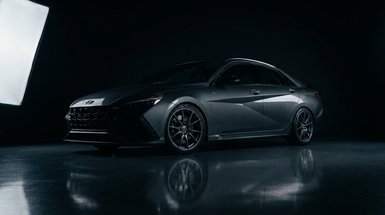
The Hyundai Elantra N delivers 276 turbocharged horsepower at an aggressive price point, but early ownership reveals concerning failure patterns that hit within the first 30,000 miles. Unlike gradual economy car problems, Elantra N issues often strike suddenly and catastrophically across the high-output engine, dual-clutch transmission, and undersized cooling systems.
Quick Navigation
- Quick Answer
- Key Takeaways
- Turbocharged Engine Disasters
- Dual-Clutch Transmission Nightmare
- Cooling System Can't Handle the Heat
- Suspension and Brake Punishment
- Electrical and Interior Failures
- Model Year Differences Matter
- Pre-Purchase Inspection Essentials
- Bottom Line
Quick Answer
The most critical Elantra N failures center on carbon buildup in the direct-injection engine (15,000-25,000 miles), premature dual-clutch transmission wear (20,000-40,000 miles), and cooling system inadequacy during performance driving. Budget $2,000-3,000 annually for maintenance and repairs beyond typical passenger car expectations.
Key Takeaways
- Engine carbon buildup requires walnut blasting every 30,000 miles ($400-600)
- DCT clutch packs fail between 20,000-40,000 miles ($3,500-4,500 replacement)
- Turbocharger failures occur around 40,000-60,000 miles ($2,200-2,800 parts)
- Cooling system upgrades are mandatory for track use ($600-1,000)
- Engine mounts wear out by 25,000-35,000 miles from aggressive launches
Turbocharged Engine Disasters
Carbon Buildup Kills Power Early
The 2.0-liter Theta III engine's direct-injection system creates severe carbon buildup on intake valves between 15,000-25,000 miles. Symptoms include rough idle, power loss during high-RPM pulls, engine knock under moderate acceleration, and increased fuel consumption.
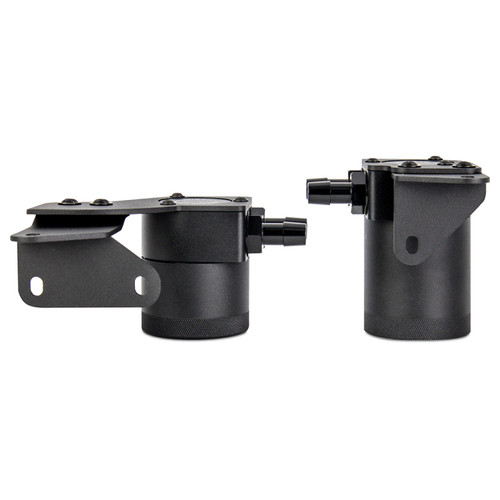
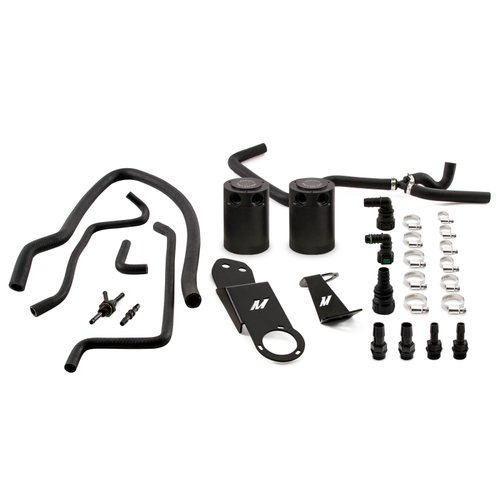
Preventive walnut blasting costs $400-600 at independent shops or $800-1,000 at dealers. Performance-driven vehicles need this service every 30,000 miles. Installing a quality catch can system ($200-400 parts, $150-300 labor) significantly reduces carbon accumulation rates.
Turbocharger Failures Hit Hard
The Garrett GT1749 turbocharger shows concerning failure patterns around 40,000-60,000 miles, especially with frequent launch control use. Common failures include wastegate actuator binding and compressor wheel damage.
Warning signs include whistling or grinding noises under boost, blue smoke from exhaust during startup, significant power loss above 4,000 RPM, and boost pressure codes (P0234, P0299). OEM turbocharger replacement ranges from $2,200-2,800 in parts plus $800-1,200 labor.
Engine Mounts Give Up Fast
Aggressive engine tuning and frequent hard launches destroy engine mounts by 25,000-35,000 miles. The passenger-side mount typically fails first, causing excessive vibration at idle, harsh engagement from Park to Drive, and clunking noises during acceleration.
OEM mounts cost $150-250 each with $100-200 labor per mount. Upgraded polyurethane mounts from Torque Solution or Whiteline provide improved durability for $200-350 per mount but increase cabin vibration.
Dual-Clutch Transmission Nightmare
Clutch Packs Burn Out Prematurely
The 8-speed dual-clutch transmission suffers from premature clutch pack wear between 20,000-40,000 miles, particularly with frequent launch control use. Symptoms include harsh engagement from stops, slipping sensation during hard acceleration, burnt clutch smell after spirited driving, and transmission temperature warnings.
Complete clutch pack replacement costs $3,500-4,500 at dealerships or $2,800-3,200 at independent transmission specialists. Transmission fluid changes every 30,000 miles ($200-300) may extend clutch life but won't prevent fundamental design limitations.
Shift Quality Problems Plague Daily Driving
Even properly functioning transmissions exhibit jerky low-speed shifts in stop-and-go traffic, hesitation during quick downshifts, rough engagement from Reverse to Drive, and inconsistent shift timing in manual mode.
Proper diagnosis requires transmission-specific scan tools monitoring clutch adaptation values and fluid temperatures. Key parameters include clutch slip during acceleration tests, transmission fluid temperature under load, adaptation value drift over time, and pressure sensor readings.
Cooling System Can't Handle the Heat
Radiator and Intercooler Overwhelmed
The stock radiator and intercooler heat exchanger lack capacity for sustained performance use. Heat soak appears after 10-15 minutes of aggressive driving, causing power reduction due to intake air temperature protection, coolant temperatures above 220°F, and reduced boost pressure.
Aftermarket radiator upgrades from Mishimoto or CSF cost $400-600 plus $200-400 installation. Upgraded intercooler heat exchangers range from $300-500 with similar installation costs. These modifications are mandatory for serious track use.
Water Pump Undersized for Performance
The electric water pump appears undersized for sustained high-output operation. Replacement costs $400-600 plus $300-500 labor when failures occur around 40,000-60,000 miles.
Installing an oil catch can system ($200-400) helps reduce carbon buildup. Upgraded oil coolers ($300-500 plus installation) provide additional protection during track use.
Suspension and Brake Punishment
Electronic Struts Fail Fast
The electronically adjustable front struts show failure patterns around 40,000-60,000 miles, including loss of damping adjustment capability, fluid leakage from strut bodies, excessive bouncing, and electronic suspension fault codes.
Replacement costs $800-1,200 per strut including labor. Aftermarket coilover systems from KW, Bilstein, or Eibach offer improved durability and adjustability for $1,500-2,500 complete sets.
Brembo Brakes Demand Attention
Front brake pads last only 20,000-30,000 miles under spirited driving. OEM replacement pads cost $150-250 per axle, while performance upgrades range from $200-400.
The large 13.4-inch front rotors show susceptibility to warping under heavy use, particularly during track events. Replacement rotors cost $200-350 each. High-performance brake systems require brake fluid changes every 15,000-20,000 miles ($100-150).
Electrical and Interior Failures
Infotainment System Crashes
The 10.25-inch touchscreen exhibits system freezing requiring hard resets, Bluetooth connectivity dropping, navigation crashes, and Android Auto/Apple CarPlay failures. Software updates at dealerships cost $100-150 diagnostic fees, while complete head unit replacement runs $1,200-1,500.
Climate Control Malfunctions
Blend door actuator failures cause temperature control issues, A/C compressor cycling problems occur during high temperatures, and cabin air filters clog rapidly. Blend door actuator replacement costs $200-400 including labor.
Interior Wears Out Fast
The heavily bolstered sport seats exhibit premature wear on side bolsters around 25,000-35,000 miles. The leather-wrapped steering wheel shows rapid wear on contact points, with replacement costs ranging from $400-600.
Model Year Differences Matter
2022 Launch Year Problems
Early 2022 models exhibit transmission calibration issues requiring multiple software updates, engine knock concerns under specific conditions, and infotainment system stability problems. Hyundai issued several Technical Service Bulletins addressing these early production issues.
2023 Improvements
The 2023 model year incorporated revised clutch pack materials and updated software calibration for improved shift quality and durability. Minor updates to radiator capacity and fan control logic provide marginal heat management improvements, but fundamental limitations remain.
Pre-Purchase Inspection Essentials
Critical Check Points
Engine Bay Inspection:
- Oil leaks around turbocharger connections
- Intercooler piping cracks or loose connections
- Coolant levels and overheating signs
- Unusual turbocharger noises during idle and rev-up
Transmission Evaluation:
- Stop-and-go traffic shift quality testing
- Automatic and manual mode operation
- Harsh engagement from Park to Drive
- Launch control system smooth operation
Scan Tool Diagnostics:
- Engine knock counts across all cylinders (above 2-3 per cylinder indicates damage)
- Transmission clutch adaptation values
- Fuel trim readings (beyond ±10% suggests carbon buildup)
- Coolant and oil temperature readings
Bottom Line
The Hyundai Elantra N delivers genuine performance at an accessible price, but ownership requires accepting high-maintenance reality. Critical failures hit early and hard—carbon buildup by 25,000 miles, transmission problems by 40,000 miles, and cooling inadequacy from day one of track use.
Budget $2,000-3,000 annually beyond normal maintenance for preventive services like carbon cleaning ($400-600 every 30,000 miles), transmission fluid changes ($200-300), and cooling system upgrades ($600-1,000 for track use). The 10-year/100,000-mile powertrain warranty provides protection, but performance use may void coverage.
This car rewards enthusiasts who understand performance vehicle ownership demands but punishes buyers expecting economy car reliability. With proper preventive care and realistic expectations, the Elantra N offers excellent performance value—just don't expect Camry-like dependability.