
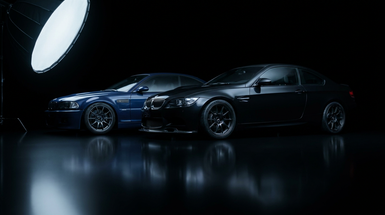
E46 M3 vs E92 M3: Which Generation Should You Actually Buy
E46 M3 vs E92 M3: Which Generation Should You Actually Buy?
The BMW E46 M3 stands as one of the most revered sports cars of the modern era, representing the pinnacle of naturally aspirated performance engineering. With its legendary S54 engine and perfect chassis balance, the E46 M3 has achieved modern classic status among enthusiasts worldwide. But how does it stack up against its successor, and should you consider buying one today?
Quick Navigation
- The Heart of the Beast: S54 Engine Excellence
- Chassis Dynamics and Driving Experience
- Production Years and Model Variants
- Modification Potential and Tuning Options
- Market Position and Investment Potential
- Ownership Considerations
- Final Verdict
The Heart of the Beast: S54 Engine Excellence
The E46 M3's S54B32 3.2-liter inline-6 naturally aspirated engine remains BMW M division's crowning achievement. Producing 106 horsepower per liter, this engineering marvel delivers power in a way that modern turbocharged engines simply cannot replicate. The linear power delivery and intoxicating sound of natural aspiration create an emotional connection that has only grown stronger with time.
Unlike the E92 M3's V8, which marked BMW's shift toward larger displacement and eventual turbocharging, the S54 represents the last of the high-revving, naturally aspirated M engines. This fundamental difference in character makes the E46 M3 feel more connected and pure compared to its successor.
Chassis Dynamics and Driving Experience

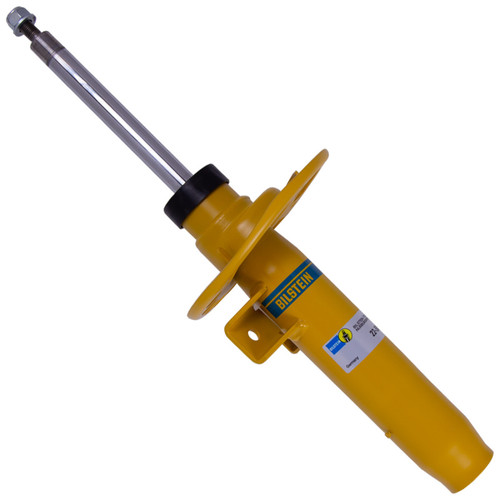
The E46 M3's 3,400-pound curb weight and rear-wheel drive configuration create an ideal foundation for spirited driving. BMW's M division chassis reinforcement and suspension tuning deliver precise handling characteristics that many argue have never been surpassed in subsequent M3 generations.
Available with either a 6-speed manual transmission or 6-speed SMG, the E46 M3 offers a more intimate driving experience than the larger, heavier E92. The weight distribution and chassis balance make it exceptionally rewarding on both road and track, establishing it as the benchmark for driver engagement.
Production Years and Model Variants
BMW produced the E46 M3 from 2001 to 2006, offering both coupe and convertible variants. The production run included pre-facelift and facelift models, with subtle differences in styling and equipment. This relatively short production window has contributed to the car's exclusivity and collectible status.
The focused production timeline means finding a well-maintained example requires patience, but also ensures that every E46 M3 represents a specific moment in BMW's engineering excellence.
Modification Potential and Tuning Options
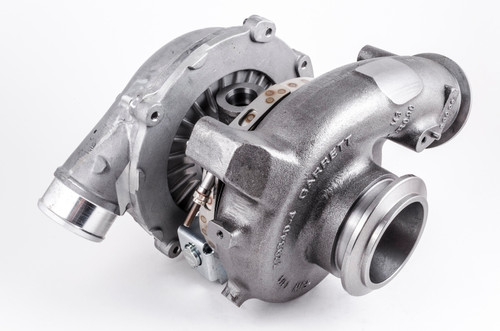
The E46 M3's modification potential ranges from subtle enhancements to dramatic transformations:
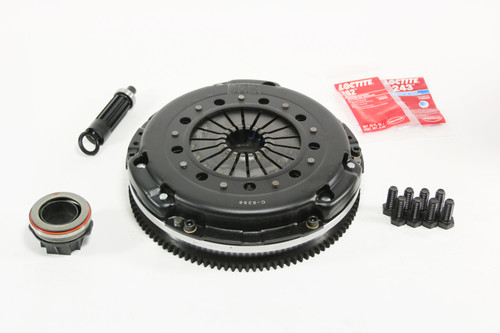
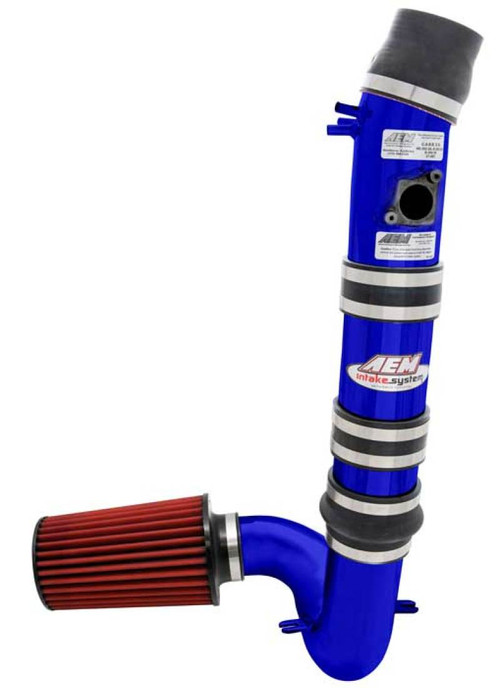
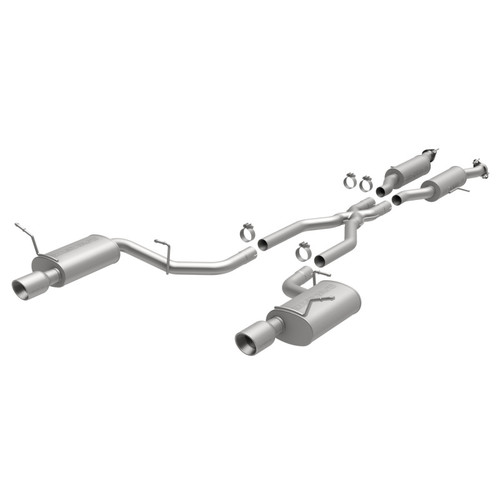
Stage 1 modifications include software tuning and intake/exhaust upgrades for modest power gains while maintaining reliability.
Stage 2 builds incorporate CSL-style airboxes and maximize naturally aspirated output through careful tuning.
Stage 3 setups like the ESS Tuning VT2-525 supercharger kit ($8,000) add forced induction for significant power increases.
Beyond engine modifications, suspension upgrades, brake improvements, and wheel/tire optimization can transform the driving experience while preserving the car's fundamental character.
Market Position and Investment Potential
The E46 M3 occupies a unique position in the classic sports car market. As the last naturally aspirated M3, it represents the end of an era in BMW's performance car development. This historical significance, combined with its exceptional driving dynamics, has made it increasingly valuable among collectors and enthusiasts.
Compared to modern BMW M cars, the E46 M3 offers a more analog, engaging experience that many find lacking in contemporary performance vehicles. This emotional appeal continues to drive demand and support strong resale values.
Ownership Considerations
E46 M3 ownership brings both rewards and responsibilities. The car's performance capabilities and build quality remain impressive, but maintenance costs and the need for proper care are significant considerations. Finding a well-maintained example with complete service records is crucial for a positive ownership experience.
The car's age means that certain components may require attention, but the strong enthusiast community and parts availability help support long-term ownership.
Final Verdict
The BMW E46 M3 represents automotive excellence in its purest form. While the E92 M3 offers more power and modern amenities, the E46's naturally aspirated character, perfect proportions, and engaging dynamics make it the more desirable choice for driving purists. As values continue to appreciate and examples become scarcer, the E46 M3 stands as both an exceptional driver's car and a sound investment in automotive history.
For those seeking the ultimate expression of BMW's M division philosophy, the E46 M3 remains unmatched – a modern classic that delivers on every promise of performance, emotion, and engineering excellence.