
Write a Review

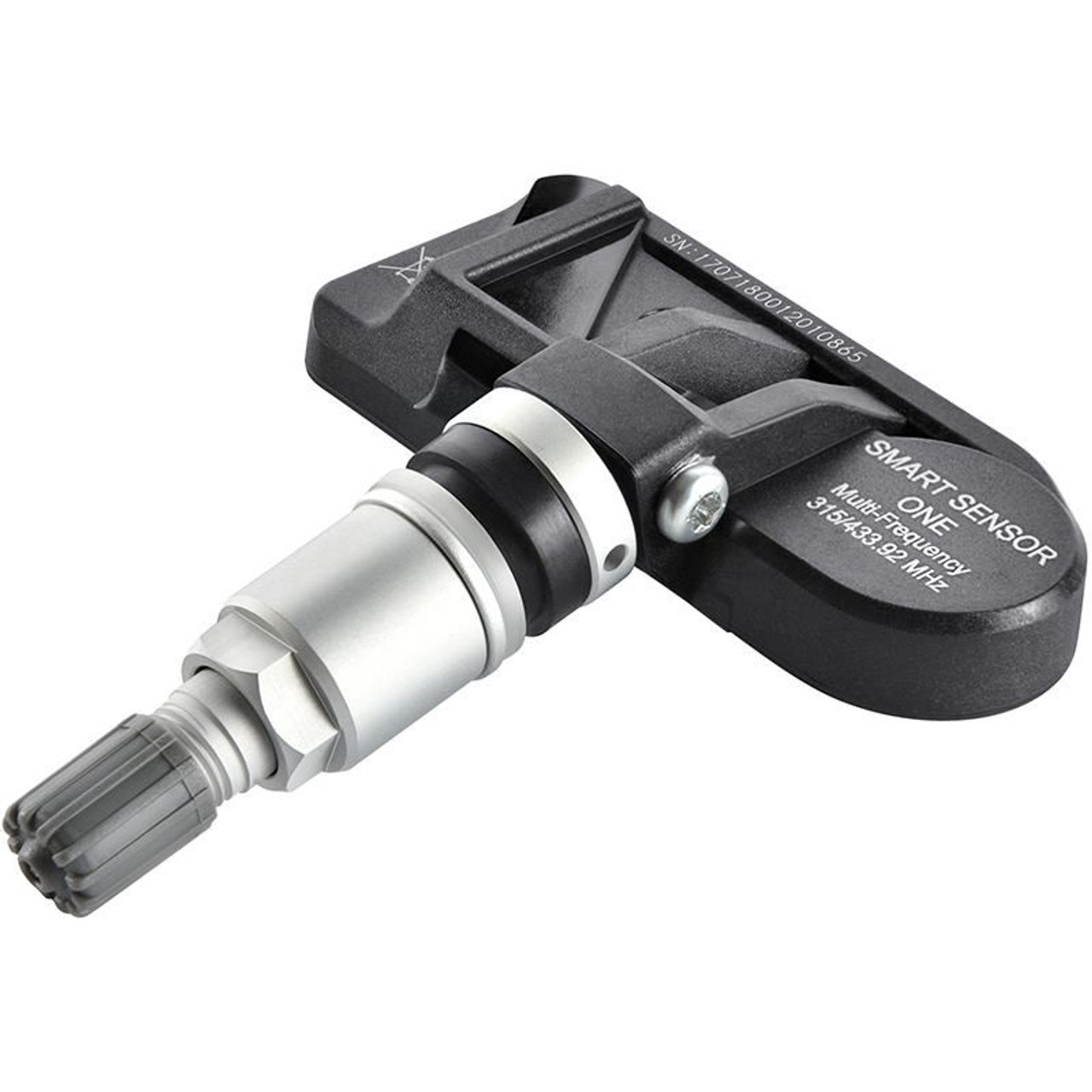
TPMS Sensor
TPMS Sensor

📧 Get Fitment Help
Verify parts fit & get product recommendations

 Price Match Guarantee
  Free Mount & Balance
 Free Shipping
 IN STOCK (2147483114 wheels)
📧 Get Fitment Help
Verify parts fit & get product recommendations
A TPMS sensor (Tire Pressure Monitoring System sensor) is a critical safety component required on all U.S. light motor vehicles sold after September 2007. When your dashboard's tire pressure warning light comes on — that yellow horseshoe-shaped symbol with an exclamation point — a faulty or dead TPMS sensor is often the culprit. Replacing the sensor promptly restores your vehicle's ability to alert you to significantly under-inflated tires, helping protect you against poor fuel economy, accelerated tire wear, and potentially dangerous driving conditions.
Key Features & Benefits
- Restores TPMS Functionality: A replacement sensor gets your tire pressure monitoring system back online so your vehicle can once again report real-time tire pressure information to the driver display or warning light.
- Safety-Focused Design: TPMS technology exists specifically to warn drivers of under-inflation events — conditions linked to traffic accidents, reduced fuel efficiency, and uneven tire wear. A working sensor means you stay informed while driving.
- Direct TPMS Monitoring: Direct TPMS sensors (dTPMS) are mounted inside the wheel and measure actual air pressure, providing accurate, real-time readings rather than relying on indirect wheel-speed comparisons.
- Federally Mandated Compliance: The U.S. TREAD Act mandated TPMS on all light motor vehicles (under 10,000 lb) produced after September 2007. Keeping your sensor in working order maintains your vehicle's compliance with this safety standard.
- Peace of Mind: With a functioning TPMS sensor, you can focus on what matters most — safe, confident driving — knowing your system will alert you before low tire pressure becomes a hazard.
How TPMS Works
There are two main types of TPMS: direct and indirect. Direct systems use sensors mounted at each wheel to measure actual tire pressure and transmit that data to your vehicle's onboard computer, which then displays pressure readings or triggers a warning light. Indirect systems rely on the anti-lock brake system's wheel speed sensors, using differences in wheel rotation rates to infer when a tire may be low. Most modern replacement sensors are direct-type units. Understanding which type your vehicle uses is important when selecting the correct replacement.
Fitment
TPMS sensors are vehicle-specific — the correct sensor depends on your vehicle's year, make, model, and in some cases trim level or wheel configuration. In the United States, TPMS has been mandatory on all new light motor vehicles (under 10,000 lb) sold after September 1, 2007, with a phase-in period beginning in October 2005. If your vehicle was manufactured before the 2006 model year, it may use an indirect TPMS that does not require individual wheel sensors, or it may not have TPMS at all.
Important: Some multi-fit or programmable TPMS sensors are designed to fit a wide range of vehicles once properly programmed during installation. Always verify compatibility with your specific year, make, and model before ordering. If you are unsure which sensor fits your vehicle, our team at ThreePiece.us is ready to help.
Installation Notes
TPMS sensor replacement typically requires dismounting the tire from the wheel to access the sensor, which is mounted at the valve stem inside the wheel assembly. After installation, most vehicles require a TPMS relearn or reset procedure so the vehicle's onboard system recognizes the new sensor. This procedure varies by manufacturer and may require a TPMS programming tool. We recommend having TPMS sensors installed by a qualified tire technician to ensure proper seating, torque, and system relearn.
Why Buy from ThreePiece.us
- Free Shipping: Every order ships free — no minimum purchase required.
- Affirm Financing: Split your purchase into manageable payments with Affirm financing, available at checkout.
- Expert Fitment Help: Not sure which TPMS sensor fits your vehicle? Our team can help you identify the correct part before you buy, saving you time and hassle.
- Focused Inventory: ThreePiece.us specializes in wheels, tires, and related components — so you're shopping with people who know this category inside and out.
Frequently Asked Questions
- How do I know if my TPMS sensor needs to be replaced?
- The most common indicator is the TPMS warning light on your dashboard — a yellow symbol shaped like a tire cross-section with an exclamation point. If the light stays on after you've confirmed your tires are properly inflated, or if it blinks and then stays on, a faulty sensor may be the cause. A scan with a TPMS diagnostic tool can pinpoint which sensor has failed.
- Is TPMS required on my vehicle?
- In the United States, TPMS has been required on all new light motor vehicles (under 10,000 lb) sold after September 1, 2007, under the TREAD Act. The phase-in began in October 2005. If your vehicle falls within this requirement, maintaining a working TPMS sensor keeps your system compliant and functional.
- Will one sensor fit any vehicle?
- Some programmable or "multi-fit" sensors are designed to be compatible with a broad range of vehicles after being properly programmed during installation. However, not every sensor fits every vehicle — compatibility depends on your specific year, make, model, and wheel configuration. Always confirm fitment before purchasing. Contact ThreePiece.us if you need help selecting the right sensor.
- Do I need any special tools to install a TPMS sensor?
- Yes, in most cases. Replacing a direct TPMS sensor requires dismounting the tire, installing the new sensor, remounting the tire, and then performing a TPMS relearn procedure using a compatible programming tool so your vehicle's computer recognizes the new sensor. The exact procedure varies by vehicle. Professional installation by a tire technician is strongly recommended.
- category:
- accessory
PRODUCT REVIEWS (0)
Overall Rankings
Have you tried this product?
WRITE A REVIEWNo reviews for this product yet. Be the first to write a review!
Write a Review