
Posted by THREEPIECE.US on Apr 20th 2026
Are Coilovers Worth It on Daily Drivers? Final Verdict
Are Coilovers Worth It on Daily Drivers? The Real-World Verdict
Coilovers promise to transform your daily driver from a cushy commuter into a corner-carving machine. But do they deliver on that promise without ruining your everyday driving experience? After testing coilovers across platforms from Honda Civics to Subaru WRXs, VW GTIs, Mazda Miatas, Ford Mustangs, and Nissan 350Zs, the answer is more nuanced than the marketing suggests.
Quick Navigation
- Quick Answer
- Key Takeaways
- How Coilovers Actually Work
- Types and What They Cost
- Installation Reality Check
- Real Performance Gains
- Platform-Specific Results
- Daily Driving Reality
- What Owners Actually Say
- Who Should Buy Coilovers
- When to Skip Coilovers
- Final Verdict
Quick Answer
Yes, but only for the right driver and setup. Quality coilovers ($1,200+) can dramatically improve handling while remaining tolerable for daily use. Cheap coilovers ($500-800) often make cars worse. If you're not regularly pushing your car's limits or don't mind sacrificing comfort for performance, stick with lowering springs or stock suspension.
Key Takeaways
- Budget matters: Sub-$1,000 coilovers are generally not worth it for daily drivers
- Comfort trade-off is real: Even premium coilovers will ride firmer than stock
- Platform-specific results: Lighter cars (Miata, Civic) feel changes more dramatically
- Installation complexity: Moderate DIY difficulty, but professional alignment is mandatory
- Performance gains are measurable: Reduced body roll, sharper steering, higher cornering speeds
How Coilovers Actually Work

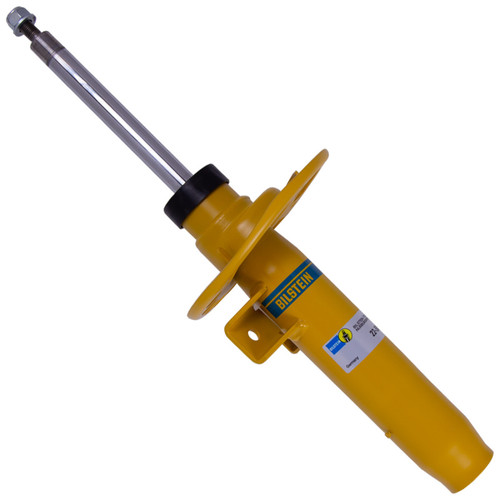
A coilover combines a coil spring and shock absorber into one adjustable unit, replacing your factory spring and shock setup. The threaded body lets you change ride height by rotating a collar, while damping adjustments control how the suspension reacts to bumps and cornering forces.
The physics are straightforward: lowering the center of gravity and increasing spring rates reduces body roll and improves tire contact during cornering. Quality coilovers also reduce unsprung weight and often include pillowball top mounts for more precise control, though these can transmit more noise into the cabin.
Monotube designs (BC Racing, Ohlins-11-13-bmw-1m-e82-road-track-coilover-system-bmz-mn01s1/)) offer better heat dissipation and more consistent performance under hard use, while twin-tube setups (some KW models) can provide better comfort on bumpy roads through progressive damping curves.
Types and What They Cost
Entry-Level Height-Adjustable ($400-500) Basic coilovers like Raceland Classic offer ride height adjustment but fixed damping. These are primarily for stance and aesthetics. Most owners report poor ride quality and durability issues. Not recommended for daily drivers who care about handling.
Mid-Range Street/Track ($800-1,500) The sweet spot for most enthusiasts. Examples include:
- Tein Flex Z (~$900): Twin-tube dampers with 16 levels of adjustment
- BC Racing BR Series** (~$1,200): Monotube, 30-click adjustable with camber plates
These offer good performance-to-price balance and are suitable for dual-purpose cars.
High-End Street & Track ($1,500-2,500) Premium options with sophisticated damping:
- Fortune Auto 500 Series (~$1,500): Custom-built, rebuildable
- KW Variant 3 (~$2,200): German engineering with progressive springs
These can actually ride better than stock while providing superior performance.
Ultra-High-End ($2,500+)
- Öhlins Road & Track (~$2,700): Gold standard with Dual Flow Valve technology
- JRZ%20coilovers), Moton-2019-bmw-x3m-x4m-f97-f98-control-arm-bearing-set-of-2-76db-fx3-a3-101s/), Penske%20coilovers) ($4,000-8,000): Professional racing grade, overkill for street use
Installation Reality Check
Installing coilovers rates about 6-7 out of 10 in difficulty. You'll need metric sockets, breaker bar, jack stands, and possibly spring compressors. Budget 4-6 hours for first-timers, 2-3 hours for experienced mechanics.
Common mistakes to avoid:
- Not setting equal ride heights left-to-right
- Skipping the mandatory alignment afterward
- Going too low and causing suspension geometry problems
- Forgetting to apply proper spring preload
- Not torquing bolts to specification
Professional installation typically costs $300-600 in labor, plus alignment. Many shops offer install-plus-alignment packages.
Real Performance Gains
Quality coilovers deliver measurable improvements:
Handling: Dramatically reduced body roll, higher cornering speeds, more lateral grip. A project NA Miata with MeisterR coilovers cut over 40 seconds off a Nürburgring lap time.
Steering Response: Sharper turn-in without the mushiness of soft springs. The car reacts faster to inputs.
Stability: Better control during braking and acceleration, less nose-dive and squat. Improved consistency in quick transitions.
Braking: Modest improvements in stopping distances due to better weight distribution and tire contact.
However, gains aren't automatic. Stiffer isn't always better – overly stiff setups can reduce grip on bumpy roads where tires skip over imperfections instead of conforming to them.
Platform-Specific Results
Honda Civic/Acura Integra: These light FWD cars benefit dramatically from coilovers. Expect crisper turn-in and less understeer, but be careful with spring rates – very stiff setups can make them skittish on bumpy roads.
Subaru WRX/STI: Already stiff from factory, coilovers can unlock more aggressive handling and reduce understeer. Popular options like Feal 441 coilovers ($1,300) are tuned specifically for AWD dynamics. Be aware of increased NVH with pillowball mounts.
VW GTI/Golf R: The GTI responds well to suspension mods, becoming more neutral and fun. Quality coilovers like KW V3 can ride close to stock comfort while providing track capability. DCC-equipped cars face a choice between keeping adaptive damping or upgrading.
Mazda Miata: One of the most popular platforms for coilovers. The transformation from soft, rolling stock suspension to flat, composed handling is dramatic. However, lightweight cars don't need super-stiff springs – choose rates carefully to avoid harsh ride.
Ford Mustang: Coilovers can transform handling precision on these heavy cars. Expect significant NVH increases, especially on older solid-axle models. High-end setups like Öhlins can actually ride better than stock Performance Pack suspension.
Nissan 350Z/370Z: Popular for track and drift use. Coilovers dramatically tighten handling but can exacerbate the Z's interior noise issues. Consider upgrading bushings during installation on older cars.
Daily Driving Reality
The comfort trade-off is real. Even premium coilovers will ride firmer than stock, transmit more road noise, and require more attention to road conditions. You'll feel expansion joints, potholes, and rough pavement more acutely.
Common daily driving issues:
- Increased NVH (noise, vibration, harshness)
- Bottoming out on big dips if lowered significantly
- Scraping on driveways and speed bumps
- More fatigue on long highway drives
- Potential for new squeaks and rattles
High-end coilovers on soft settings can minimize these issues, but they never completely eliminate them. Budget for periodic maintenance like cleaning and greasing adjusters to prevent seizure.
What Owners Actually Say
Community feedback reveals clear patterns:
Positive experiences typically come from owners who:
- Invested in quality setups ($1,200+)
- Actually use the performance capabilities
- Properly maintain and adjust their coilovers
Negative experiences often involve:
- Cheap coilovers that ride poorly and fail quickly
- Unrealistic expectations about comfort retention
- Installation or setup mistakes
Common advice from experienced owners: "Go big or don't do it at all. You certainly don't want to throw on some $600 set." The consensus is that cheap coilovers often provide the worst of both worlds – harsh ride with mediocre performance gains.
Who Should Buy Coilovers
Ideal candidates:
- Performance enthusiasts who regularly drive hard
- Track day participants and autocrossers
- Stance builders who want precise height control
- Drivers building comprehensive performance packages
- Those who enjoy tuning and adjusting their setup
- Cars with already-worn suspension needing replacement
Best use cases:
- Dual-purpose street/track cars
- Weekend canyon carvers
- Show cars requiring specific fitment
- Competitive motorsports applications
When to Skip Coilovers
Avoid coilovers if you:
- Prioritize comfort over performance
- Drive primarily on rough or poor-quality roads
- Want a "set and forget" upgrade
- Are on a tight budget (under $1,000 total)
- Rarely push your car's handling limits
- Have a lease or temporary ownership situation
Better alternatives for casual drivers:
- Quality lowering springs with performance shocks
- OEM+ sport suspension packages
- Upgraded sway bars for reduced body roll
- Focus budget on tires and driver training instead
Final Verdict
Coilovers are worth it on daily drivers only for enthusiasts who will use them properly and invest in quality.
For the right driver with the right setup, coilovers can transform a daily driver into a more engaging, capable machine while remaining tolerable for everyday use. The key thresholds are spending at least $1,200 on a reputable brand and honestly assessing whether you'll exploit the performance benefits.
If you regularly push your car's limits, enjoy tuning and adjusting your setup, and don't mind trading some comfort for performance, quality coilovers can be one of the best modifications you'll make. Your daily will feel more connected, responsive, and tailored to your driving style.
However, if you're primarily a casual driver looking for mild improvements, coilovers are likely overkill. You'll pay premium prices for capabilities you won't use while living with the comfort penalties every day. In these cases, simpler suspension upgrades or focusing your budget elsewhere will provide better value.
The bottom line: coilovers can be the best upgrade you ever make to your car – or an expensive lesson in why race car parts don't always belong on street cars. Choose wisely based on your actual driving habits, not your aspirational ones.