
Posted by THREEPIECE.US on May 14th 2026
370Z Wheel Fitment: Everything You Need to Know
What Wheels Fit a Nissan 370Z: The Complete Fitment Guide
Getting the right wheels on your Nissan 370Z isn't just about looks – it's about performance, safety, and achieving that perfect stance without destroying your fenders or handling. The Z34 chassis has generous wheel wells, but that doesn't mean any wheel will work. Choose wrong, and you'll face rubbing tires, highway vibrations, or worse.
Quick Navigation
- Quick Answer
- Key Takeaways
- Stock Wheel Specifications
- Popular Aftermarket Setups
- Aggressive Fitment Limits
- Tire Recommendations by Use Case
- Spacers and Fine-Tuning
- Suspension and Alignment Considerations
- Common Mistakes to Avoid
- Real-World Examples
- Who Should Buy Aftermarket Wheels
- When to Skip Aftermarket Wheels
- Final Verdict
Quick Answer
All 370Zs use a 5×114.3 bolt pattern with 66.1mm center bore and M12×1.25 lug nuts. Popular aftermarket setups include 19×9.5 +20 front with 19×10.5 +15 rear for a flush look, or square 18×10.5 +22 setups for track use. Stock wheels ranged from 18×8 +43 on base models to 19×10.5 +23 on NISMO variants.
Key Takeaways
- Conservative approach: 19×9.5 +20 front, 19×10.5 +15 rear with mild lowering
- Aggressive limits: 10.5" front, 11-12" rear with rolled fenders and negative camber
- Track setup: Square 18×10 or 18×10.5 with 275mm tires all around
- Always use hub-centric rings for aftermarket wheels with larger center bores
- Coilovers recommended for aggressive fitments to control suspension travel
Stock Wheel Specifications
The 370Z's factory specs provide the baseline for aftermarket fitment. All Z34s share the same fundamental mounting specs but came with different wheel packages:
Universal Specs:
- Bolt pattern: 5×114.3mm
- Center bore: 66.1mm
- Thread pitch: M12×1.25
- Torque spec: ~80 ft-lbs
Base Model (2009-2020):
- Front: 18×8.0 +43
- Rear: 18×9.0 +15
- Tires: 225/50R18 front, 245/45R18 rear
Sport Package:
- Front: 19×9.0 +47
- Rear: 19×10.0 +30
- Tires: 245/40R19 front, 275/35R19 rear
- Features forged Vision American-Muscle 142 Legend 5x114.3 18x9.5+0 Gunmetal Machined Lip%20wheels) wheels and Power Stop 09-19 Nissan 370Z Rear Red Calipers w/o Brackets - Pair - S6182-yellowstuff-front-brake-pads-dp41664r/) big brakes
NISMO (2010-2020):
- Front: 19×9.5 +40
- Rear: 19×10.5 +23
- Tires: 245/40R19 front, 285/35R19 rear
- Lightweight forged RAYS construction
The NISMO setup represents the most aggressive factory fitment, sitting nearly flush with the fenders thanks to that low +23 rear offset.
Popular Aftermarket Setups
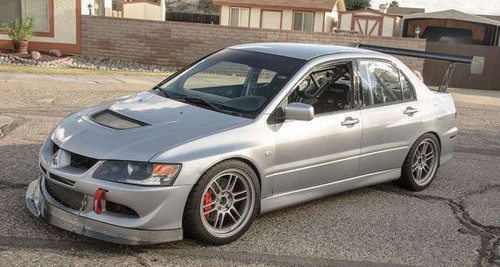
OEM+ Flush Staggered (Most Popular)
The sweet spot for most enthusiasts combines 19-inch wheels with moderate width increases and lower offsets for a flush appearance:
- Front: 19×9.5 +20
- Rear: 19×10.5 +15
- Tires: 255/35R19 front, 285-305/35R19 rear
This setup works with mild lowering and minimal modifications. It clears Sport package Akebono brakes and fills the wheel wells without requiring fender work. Popular wheel choices include Volk TE37, Gram Lights 57FXZ, or budget options like Aodhan DS05.
Square Performance Setup
Track enthusiasts often prefer identical wheels and tires for neutral handling and tire rotation:
- All corners: 18×10.5 +22 or 19×10 +20
- Tires: 275/40R18 or 275/35R19 square
This requires coilovers and negative camber to fit 10.5" wheels up front, but the handling benefits are significant. Brands like Gram Lights 57DR, Enkei RPF1, and WedsSport offer proven designs in these sizes.
Show/Stance Setup
For maximum visual impact, some owners push into very wide, low-offset territory:
- Front: 19×10-11 +11 to +20
- Rear: 19×11-12 +0 to +15
These setups require fender rolling, aggressive camber, and often stretched tires. They prioritize aesthetics over ultimate performance but can still be streetable with proper suspension setup.
Aggressive Fitment Limits
Without Fender Modifications
On stock fenders with no rolling, maximum safe specs are approximately:
- Front: 10.5" wide, +20 to +25 offset
- Rear: 11" wide, +15 to +20 offset
Success depends heavily on suspension setup and camber. Coilovers help by limiting suspension travel and allowing precise height adjustment.
With Fender Rolling
Rolling the rear fender lips (standard procedure for aggressive fitment) adds roughly 5-8mm clearance:
- Front: 10.5" wide, +12 to +20 offset
- Rear: 11.5" wide, +0 to +15 offset
With Fender Pulling
Aggressive builds can achieve extreme specs with pulled fenders and high negative camber:
- Rear: Up to 12" wide with +27 offset (as seen with 345/35R18 tires)
- Requires stiff coilovers and -3° or more camber
Beyond these limits, you're looking at widebody kits or over-fender flares.
Tire Recommendations by Use Case

Street Performance (Summer UHP)
Premium: Michelin Pilot Sport 4S, Continental ExtremeContact Sport Mid-tier: Bridgestone Potenza Sport, Goodyear Eagle F1 SuperCar 3 Budget: Hankook Ventus V12 evo3, Firestone Firehawk Indy 500, Nitto NT555 G2
Track/Competition (200TW & R-Comp)
200 Treadwear: Bridgestone RE-71RS, Yokohama Advan A052, Falken RT660 R-Compound: Toyo Proxes RR, Nitto NT01, Hoosier R7
All-Season Options
Performance AS: Michelin Pilot Sport All Season 4, Continental DWS06 Plus Winter: Dedicated winter setup on smaller wheels (18×8-9) with Bridgestone Blizzak or Michelin Pilot Alpin
Spacers and Fine-Tuning
Spacers can solve minor fitment issues but should be used judiciously:
When to Use Spacers
- Wheels sit too far inboard (high offset)
- Minor brake caliper clearance issues
- Achieving final flush positioning
Quality Brands
- H&R Trak+
- Function and Form NISSAN 370Z Z34 (09+) Type 3 Coilovers Kit-ers-7-00-inch-l-x-2-50-inch-dia-x-650-lbs-coil-over-spring-0700-250-0650/)
- Project Kics
- Ichiba%20spacers)
Always use hub-centric spacers (66.1mm bore) and ensure adequate lug nut engagement. Slip-on spacers work up to ~5mm with stock studs; thicker spacers require bolt-on designs with their own studs.
Suspension and Alignment Considerations
Lowering Effects
Dropping the car 1-1.5 inches creates natural negative camber gain:
- Front: -1.5° to -2°
- Rear: -2.5° to -3°
This camber helps tuck wheels under fenders but requires adjustment for even tire wear.
Coilovers vs Springs
Lowering Springs: Cost-effective, moderate drop, maintain some comfort Coilovers: Adjustable height, stiffer rates prevent rubbing, better for aggressive fitment
Popular coilover choices include BC Racing, Function and Form NISSAN 370Z Z34 (09+) Type 3 Coilovers Kit, and Function and Form NISSAN 370Z Z34 (09+) Type 3 Coilovers Kit. Pair with adjustable camber arms (SPL%20arms), Function and Form NISSAN 370Z Z34 (09+) Type 3 Coilovers Kit-performance-1-2-deg-ford-sleeve-23222/)) for proper alignment after lowering.
Common Mistakes to Avoid
- Wrong center bore: Always use hub-centric rings for aftermarket wheels
- Ignoring brake clearance: Verify Akebono brake compatibility on Sport/NISMO models
- Extreme tire stretching: Dangerous beyond 1-2 sizes narrower than recommended
- Cheap replica wheels: Gravity-cast wheels can crack under performance driving
- Incorrect lug nuts: Use proper M12×1.25 conical seat nuts, torque to 80 ft-lbs
- Skipping fender rolling: Address rubbing properly rather than hoping it goes away
Real-World Examples
Budget Flush: Rota Grid 19×9.5 +20/19×10.5 +20 with stretched tires (~$1050 set) Performance: Forgestar CF5V 19×9.5 +20/19×11 +15 with 305 rear tires (~$1800 set) Extreme: Work Meister S1 3P 19×10 +11/19×11 -3 with full suspension setup (~$3600 set)
Who Should Buy Aftermarket Wheels
- Owners wanting improved aesthetics and stance
- Track enthusiasts needing wider tires for grip
- Anyone upgrading from base 18" wheels
- Builders seeking a specific style or concave design
When to Skip Aftermarket Wheels
- Budget is extremely tight (focus on performance mods first)
- Car is completely stock and you're not planning other modifications
- You frequently drive in harsh winter conditions with salt
- The car will see only occasional use
Final Verdict
The Nissan 370Z offers excellent wheel fitment potential, from conservative OEM+ setups to aggressive stance builds. The most versatile choice for new enthusiasts is the 19×9.5 +20 front, 19×10.5 +15 rear combination with quality tires and mild lowering. This provides the perfect balance of improved aesthetics, performance potential, and daily drivability without requiring extensive modifications.
For serious builds, consult fitment specialists like ThreePiece.us who can provide custom solutions and proven specifications. Remember: measure twice, buy once, and prioritize quality components for safety and longevity. The right wheel setup will transform both the appearance and driving dynamics of your Z while maintaining the reliability that makes it a true daily-driver sports car.